





By Dorcas Tolu Fadoju
The debate surrounding genetically modified organism (GMO) seeds in Nigeria has reached a fever pitch, with passionate voices on all sides drowning out the nuanced conversation that this critical agricultural issue deserves. As our nation grapples with population growth, food security challenges, and climate change impacts, it鈥檚 time to move beyond polarized rhetoric and focus on what truly matters: empowering farmers and consumers with choices while ensuring transparency and safety.
The Heart of the Matter: Farmer Choice and Autonomy
At the center of this debate should be Nigeria鈥檚 farmers themselves, the very people whose livelihoods and decisions will determine our agricultural future. Too often, discussions about GMO seeds happen in boardrooms, research institutions, and policy circles without meaningful input from the farmers who would actually plant these seeds. Throughout history, Nigerian farmers have demonstrated remarkable adaptability, carefully selecting crop varieties that work best for their specific conditions, soil types, and local markets. This wisdom should not be dismissed or overridden by top-down mandates, whether those mandates come from GMO proponents or opponents.
The key principle should be informed choice. Farmers need access to accurate, unbiased information about all available seed options: traditional varieties, improved conventional breeds, and GMO varieties along with their respective benefits, limitations, and requirements. Only then can they make decisions that align with their farming goals, economic circumstances, and personal values. Consumers also need this choice, to either choose produce planted with GMOs seeds and those without it.
GMOs: Technology, Not Enemy
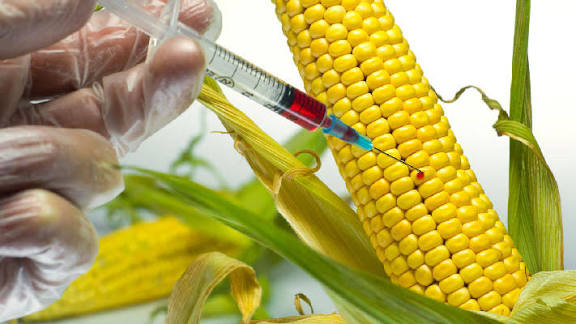
Much of the fear surrounding GMO seeds stems from misunderstanding about what genetic modification actually entails. At its core, genetic modification is a precision tool that allows scientists to introduce specific beneficial traits into crops and livestock, that is traits that might take decades to achieve through conventional breeding, if they can even be achieved at all. Scientists can now add beneficial traits like disease resistance or improved nutrition with surgical precision, rather than the trial-and-error approach of conventional breeding. Consider Nigeria鈥檚 ongoing battle with crop diseases and pests, the fall armyworm alone has devastated maize crops across the country, threatening food security and farmer incomes. GMO varieties with built-in pest resistance could provide a crucial tool in this fight, potentially reducing the need for expensive pesticides while protecting yields.
Similarly, as climate change brings more frequent droughts and unpredictable weather patterns, drought-resistant GMO varieties of crops could help farmers maintain productivity and make produce available even in challenging conditions. These are not abstract benefits, they represent real solutions to real problems that farmers face every planting season.
However, acknowledging the potential benefits of GMO technology does not mean accepting it uncritically. Like any agricultural tool, GMO seeds come with considerations regarding cost, effectiveness, and long-term sustainability that must be carefully evaluated.
The Imperative of Communication and Transparency
Perhaps the greatest failure in Nigeria鈥檚 GMO debate has been the lack of clear, honest communication from all stakeholders. Government agencies, research institutions, seed companies, and advocacy groups have often talked past each other rather than engaging in genuine dialogue.
Transparency must start with regulatory processes. When Government agencies such as the National Biosafety Management Agency (NBMA) evaluate GMO crops for approval, Citizens and farmers have a right to understand how safety assessments are conducted and what standards are being applied.
Research institutions conducting GMO trials should proactively share their findings鈥攂oth positive and negative results in accessible formats that farmers and the general public can understand. Too often, scientific research remains locked away, leaving the public to rely on second-hand interpretations that may be biased or incomplete.
Furthermore, Seed companies must move beyond marketing materials to provide detailed, honest information about their products鈥� performance, requirements, and limitations. Farmers need to know not just what GMO varieties can do, but also what they cannot do and what additional inputs or management practices they might require.
Building Trust Through Evidence-Based Dialogue
The path forward requires replacing inflammatory rhetoric with evidence-based dialogue. This means acknowledging legitimate concerns while correcting misinformation, regardless of which side it comes from. Concerns about corporate control over seeds, for instance, deserve serious consideration. History shows that when a few large companies dominate seed markets, farmers can face reduced choices and higher costs. Nigeria鈥檚 regulatory framework should include provisions to prevent monopolistic practices and ensure competitive seed markets.
Similarly, questions about the long-term environmental impacts of GMO crops merit ongoing study and monitoring. While current evidence suggests that approved GMO varieties are safe, science is an ongoing process, and regulatory systems should be designed to adapt as new evidence emerges. On the other hand, claims that GMO seeds are inherently dangerous or that they represent a Western plot to control African agriculture lack scientific basis and distract from more productive discussions about how to best support Nigerian farmers.
A Framework for Moving Forward
Nigeria needs a comprehensive approach to agricultural innovation that puts farmer welfare at its center. This approach should include several key elements:
First, robust regulatory systems that evaluate all agricultural technologies not just GMOs based on clear safety, efficacy, and environmental criteria. These systems should be transparent, scientifically rigorous, and responsive to new evidence.
Second, investment in agricultural research that addresses Nigerian farmers鈥� specific needs, conducted by Nigerian institutions with Nigerian farmers鈥� input. Whether this research involves GMO technology, conventional breeding, or agroecological approaches should depend on what works best for particular crops and conditions.
Third, comprehensive extension services that help farmers access information about all available options and make informed decisions. Extension agents should be trained to provide balanced information rather than promoting particular technologies or companies.
Fourth, policies that promote competitive seed markets and prevent any single technology or company from dominating Nigerian agriculture. This includes supporting local seed companies and protecting farmers鈥� rights to save and exchange traditional varieties.
The Stakes Are Too High for Polarization
Nigeria faces genuine agricultural challenges that demand thoughtful, evidence-based solutions. Climate change, population growth, and evolving pest pressures will not wait for us to resolve ideological differences about agricultural technology.
What we cannot afford is continued polarization that treats complex agricultural questions as simple yes-or-no propositions. Nigerian farmers need access to the full toolkit of agricultural innovation鈥攖raditional knowledge, improved conventional varieties, biotechnology, and sustainable farming practices鈥攁long with the information and support necessary to use these tools effectively.
The goal should not be to win a debate about GMO seeds, but to build an agricultural system that serves Nigerian farmers, supports food security, and protects our natural resources for future generations. This requires moving beyond the current adversarial dynamic toward collaborative problem-solving that brings together farmers, scientists, policymakers, and the Government. The stakes are too high for anything less than our best collective effort to find common ground and chart a path forward that serves Nigeria鈥檚 agricultural future. Our farmers鈥攁nd our nation鈥攄eserve nothing less than a thoughtful approach to these critical decisions about the seeds that will feed our future.
Conclusion
Much ado has indeed been made about GMO seeds in Nigeria, but the sound and fury need not signify nothing. If we can move beyond polarized positions toward genuine dialogue, transparent processes, and farmer-centered policies, this controversy could become a catalyst for building a stronger, more responsive agricultural system.
The choice before us is not simply whether to embrace or reject GMO technology. It is whether we will create agricultural policies and systems that truly serve both the farmers and the consumers and improve food security, or whether we will remain trapped in unproductive debates while real agricultural challenges go unaddressed.
Dr. Fadoju, an analyst with DAWN Commission, can be reached via [email protected]