





Akinwande Soji-Ojo
Stakeholders in the South West have proposed the establishment of the South West Coastal Corridor Development Authority (SWeCCDA) to ensure effective coordination of the Lagos鈥揅alabar coastal highway project.
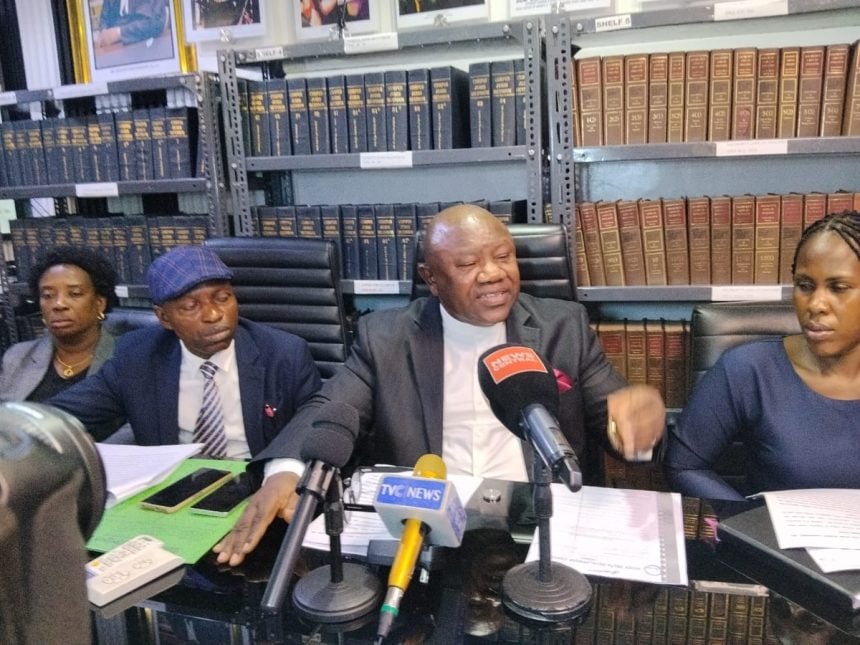
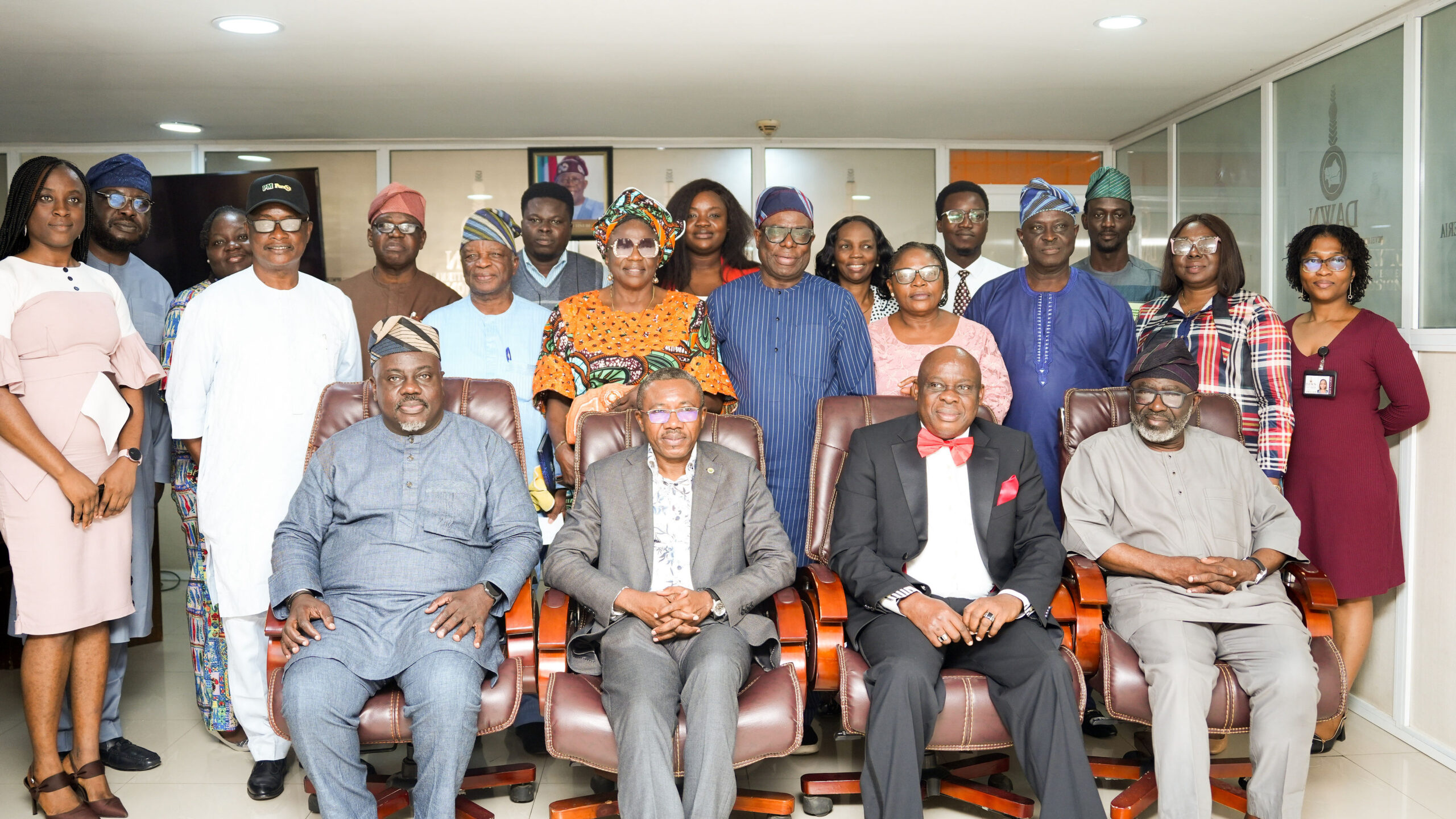
The call was made at a stakeholders鈥� meeting held on March 24, at the DAWN Commission in Ibadan, Oyo State, where policymakers, private sector representatives, and development agencies gathered to design a framework for the corridor.
The meeting, themed 鈥淯nlocking Economic Potential of the Lagos鈥揅alabar Coastal Highway: Land Governance and Regional Alignment for the Southwest Corridor,鈥� highlighted the importance of deliberate planning, inter-state collaboration, and private sector participation.
Participants noted that the highway, which cuts across key states in the South West and South South regions, is not just a road project but a strategic economic corridor expected to drive trade, tourism, housing, and industrial growth.
The Guest Speaker and Managing Director/CEO of Makaya Consult FZD, Dr. Olawale Opayinka, underscored the massive economic value of the project.
鈥淭he Lagos鈥揅alabar coastal highway corridor has an estimated enterprise value of $200 billion when fully developed,鈥� he said.
Opayinka added that the project is part of a broader infrastructure revolution and stressed the need for structured urbanisation and industrial hubs to maximise its benefits.
Also speaking, Director-General of the DAWN Commission, Dr. Seye Oyeleye, described the project as 鈥渁 game-changer for southern Nigeria.鈥�
鈥淪tates must plan proactively or risk being bypassed by investors,鈥� he said.
Oyeleye disclosed that construction began in 2024, with about 103 kilometres completed in Ogun State and 78 kilometres ongoing in Ondo State, with partial funding from investors in the United Arab Emirates.
鈥淭he project is expected to reduce travel time between Lagos and Calabar to about seven hours, boosting trade, tourism, and regional integration,” the DG added.
Chairman of the BRACED Commission, Ambassador Joe Keshi, called for sustained collaboration among states and long-term planning beyond political cycles.
鈥淭here is a need for continuous and coordinated development across all states,鈥� he said.
Stakeholders warned that without proper coordination, the project could face challenges such as fragmented development, land disputes, insecurity, and trade bottlenecks.
To address these concerns, they proposed the establishment of SWeCCDA to oversee land-use planning, investment facilitation, environmental safeguards, and inter-state alignment.
鈥淭he authority will serve as a bridge between state governments, regional bodies, and federal agencies, ensuring seamless implementation,” the stakeholders said.
The meeting concluded that the Lagos鈥揅alabar coastal highway represents a once-in-a-generation opportunity to reshape Nigeria鈥檚 socio-economic future, but stressed that its success will depend on strong governance, regional cooperation, and sustained investment.