









Stakeholders from Ondo State have accused the Federal Ministry of Works of marginalising coastal communities in Ilaje Local Government Area over the alleged diversion of the Lagos-Calabar Coastal Highway.
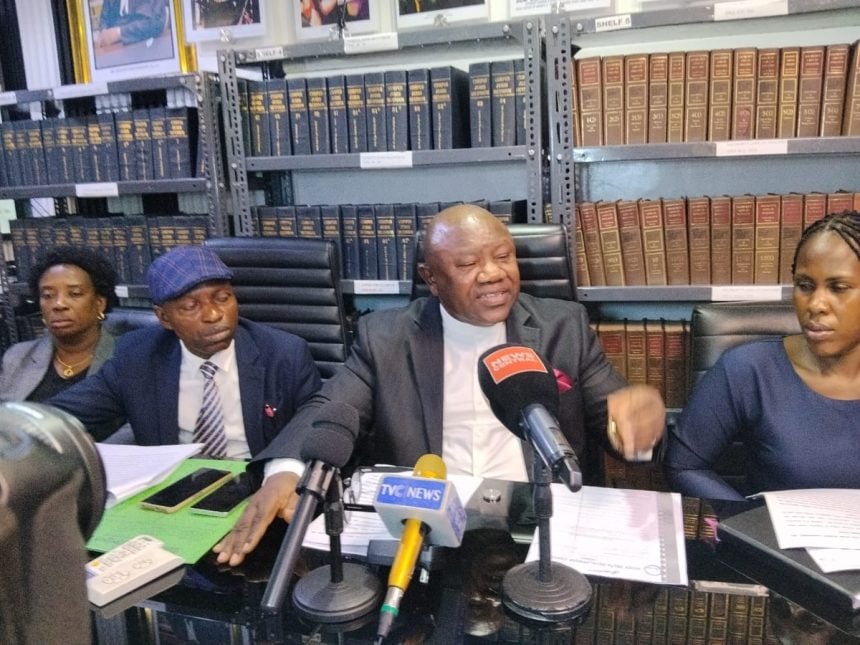
The stakeholders made the allegation at a press conference in Lagos on Thursday, where they called for the restoration of what they described as the original coastal alignment of the 700-kilometre highway project.
Led by an attorney-at-law, Dr Benson Enikuomehin, the group alleged that the diversion had excluded several coastal communities in Ondo State from a project originally conceived to connect communities along Nigeria鈥檚 coastline.
The affected communities, according to the stakeholders, include Ugbonla, Ilowo, Ilepete, Obe-Enikanoselu, Obe-Rewoye, Ikorigho, Jinrinwo, Awoye and Igho, among others.
Enikuomehin said the development was particularly concerning because Ondo State has one of the longest coastlines among Nigeria鈥檚 coastal states, stretching between 80 and 100 kilometres, with the Ilaje people occupying virtually the entire coastline.
He said the highway was initially conceived as a coastal route connecting Lagos to Calabar through communities along the Atlantic shoreline.
The lawyer, however, alleged that the Federal Ministry of Works, under the supervision of the Minister of Works, Senator David Umahi, had altered the alignment in Ondo State, resulting in what he described as an inland route.
According to him, the new alignment runs from Oke-Upare in Ondo State through Ovia North, Ovia West and Gelegele in Edo State before connecting Warri in Delta State.
He alleged that the alignment was designed to accommodate Gelegele, which the stakeholders claimed is located between 10 and 20 kilometres from the coastline.
鈥淚t is not in dispute that Edo State does not have a single coastal community that abuts the sea,鈥� Enikuomehin said.
He questioned why the route should leave the Ondo coastline to accommodate a community farther inland.
The stakeholders also rejected the alleged argument by the Federal Government that constructing the highway through the Ilaje coastline would be more expensive because of the terrain.
Enikuomehin claimed that the proposed route through Ugbonla to Escravos in Delta State would cover about 60 to 75 kilometres, while the alternative route through Upare, Ovia West, Gelegele and Warri would stretch between 130 and 150 kilometres.
He alleged that construction through the Ilaje route would cost between N240 billion and N450 billion, compared with between N970 billion and N1.5 trillion for the Edo detour.
The stakeholders also cited a 2010 Niger Delta Development Commission project for the 40-kilometre Ugbo-Oghoye Road, which they said was awarded for N19.4 billion, as evidence that construction in the area was technically feasible.
Enikuomehin argued that the Federal Government鈥檚 financial and technical capacity should enable it to address the engineering challenges associated with the terrain.
鈥淭he Minister of Works should not bamboozle us with the high cost of the road because the cost of traversing through Upare-Ovia West-Gelegele-Warri is twice the cost of navigating the road through Ugbonla and the other coastal communities,鈥� he said.
The lawyer also framed the controversy as an issue of equity and constitutional rights.
He alleged that the exclusion of the Ilaje communities amounted to discrimination based on ethnic group and place of origin, citing Section 42 of the 1999 Constitution, as amended.
He questioned why the highway could retain its coastal character in Lagos, Ogun, Delta, Bayelsa, Rivers, Akwa Ibom and Cross River states but allegedly depart from the coastline upon reaching Ondo State.
鈥淎re we to believe that the Ilaje people are being made sacrificial lambs to satisfy a particular ethnic group in Edo State?鈥� Enikuomehin asked.
The group stressed that it was not opposed to Edo State benefiting from the Federal Government鈥檚 infrastructure programme but insisted that such benefits should not come at the expense of Ondo鈥檚 coastal communities.
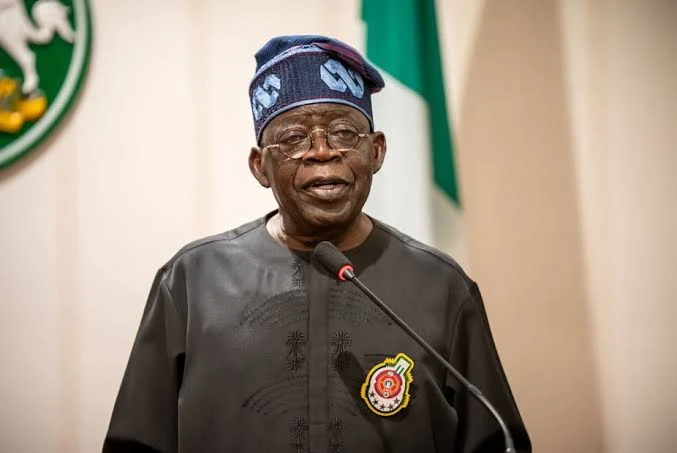
The stakeholders therefore appealed to President Bola Tinubu to intervene and review the alignment.
They said restoring the coastal route would address what they described as an injustice to the Ilaje people and preserve the original economic and infrastructural rationale of the Lagos-Calabar Coastal Highway.
Enikuomehin urged the president to 鈥減assionately look into the plight鈥� of the affected communities and redress what he described as a 鈥渕onumental injustice.鈥�