









By Efa Sunday
As Nigeria joins the rest of the world to mark the 2026 World Health Day, health experts have raised concerns over the growing consumption of junk and fast foods, warning that the trend is gradually undermining the health and lifespan of Nigerians.
World Health Day, observed every April 7, is led by the World Health Organisation (WHO). This year’s theme, “Together for health, Stand with science,� highlights the importance of scientific collaboration in protecting the health of people, animals, plants, and the environment through a One Health approach.
However, in Nigeria, experts say one of the most pressing public health challenges is the steady shift away from natural, home-prepared meals to highly processed and convenience foods.
Across major cities, fast-food outlets and packaged snacks have become daily options for many Nigerians, especially young people, driven by busy schedules and changing lifestyles.
Nutritionists warn that many of these foods are high in sugar, salt, unhealthy fats, and chemical additives, while offering little nutritional value.
A Lagos-based nutritionist, Mrs. Bisi Adeyemi, noted that the trend represents a sharp departure from the eating habits of earlier generations.
“Our forebears ate fresh food directly from the farm—vegetables, fruits, grains, and locally prepared meals without chemicals or preservatives. What we have now is a complete shift to processed food that puts our health at risk,� she said.
Medical experts link this dietary change to the rising cases of non-communicable diseases such as hypertension, diabetes, obesity, and heart-related conditions in the country.
According to Dr. Tunde Afolabi, a general physician, the impact is becoming more visible among younger populations.
“We are now seeing young people with illnesses that used to be associated with older adults. Diet plays a major role in this. What people eat daily is gradually affecting their lifespan,� he said.
Public health advocates say the situation calls for urgent awareness and behavioural change, in line with this year’s World Health Day focus on evidence-based action.
They emphasise the need for Nigerians to return to healthier eating patterns by embracing fresh, locally sourced foods and reducing dependence on processed meals.
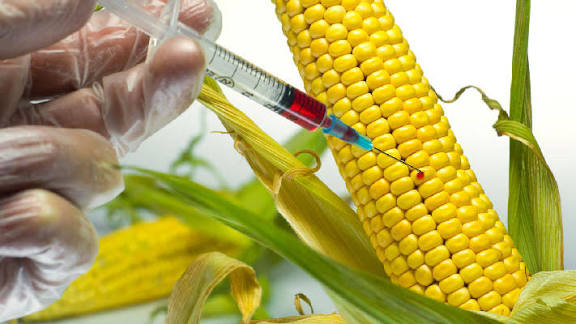
While acknowledging the role of science in improving agriculture and food production, experts stress that individuals must make informed dietary choices.
They also call for stronger public education on nutrition, as well as policies that promote greater access to healthy food options.
As the global campaign encourages people to stand with science, stakeholders say applying scientific knowledge to everyday decisions, including food choices, is key to building a healthier society.
The message, they insist, is simple but urgent: Nigerians must rethink their food choices today to secure a healthier future tomorrow.