









Akinwande Soji-Ojo
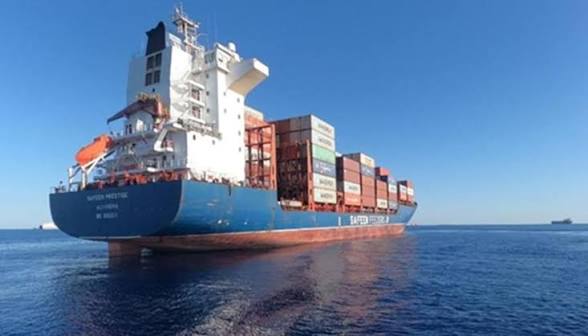
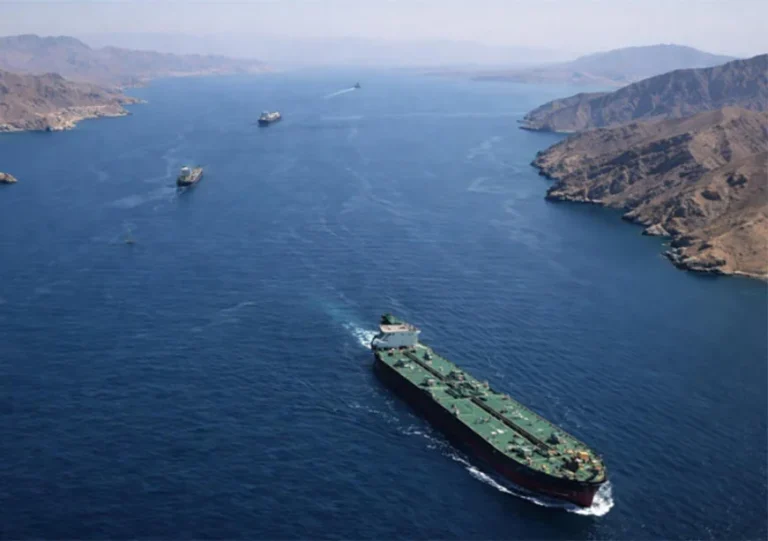
The Foreign Minister of Iran, Abbas Araghchi, on Friday disclosed that the strategic Strait of Hormuz, vital to global oil trade, will remain 鈥渃ompletely open鈥� to commercial ships as long as a ceasefire in the Middle East holds.
鈥淭he passage for all commercial vessels through the Strait of Hormuz is declared completely open for the remaining period of the ceasefire,鈥� Araghchi wrote on X.
It was not immediately clear whether he was referring to the 10-day truce between Lebanon and Israel, which took effect at midnight, or an earlier two-week ceasefire between Iran and the United States that began on April 8.
Iran, which sent shockwaves through the global economy by effectively blocking passage through the crucial waterway, had made the extension of a ceasefire to Lebanon a condition for reopening the route, according to state media.
Lebanon was drawn into the broader war launched by the United States and Israel on February 28 after Hezbollah attacked Israel in support of Iran, its key ally.
A senior Iranian military official told the state broadcaster that only civilian vessels would be allowed to pass through designated routes and with permission from the navy of the Islamic Revolutionary Guard Corps.
鈥淭he passage of military vessels through the Strait of Hormuz remains prohibited,鈥� the official said.
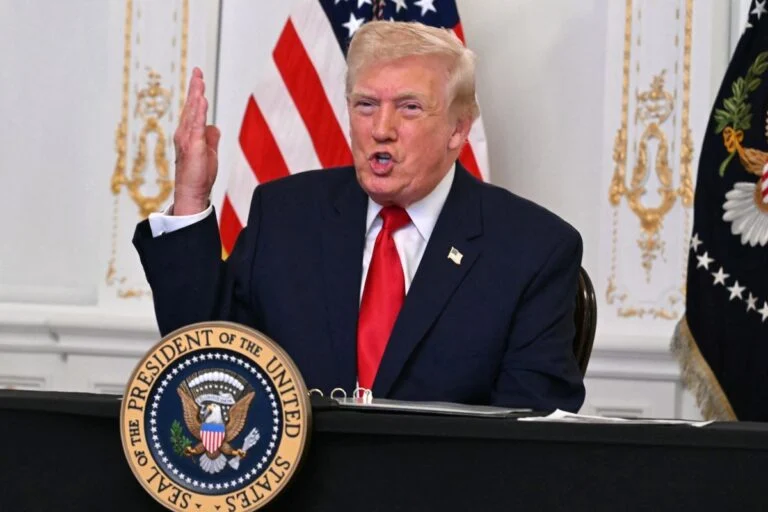
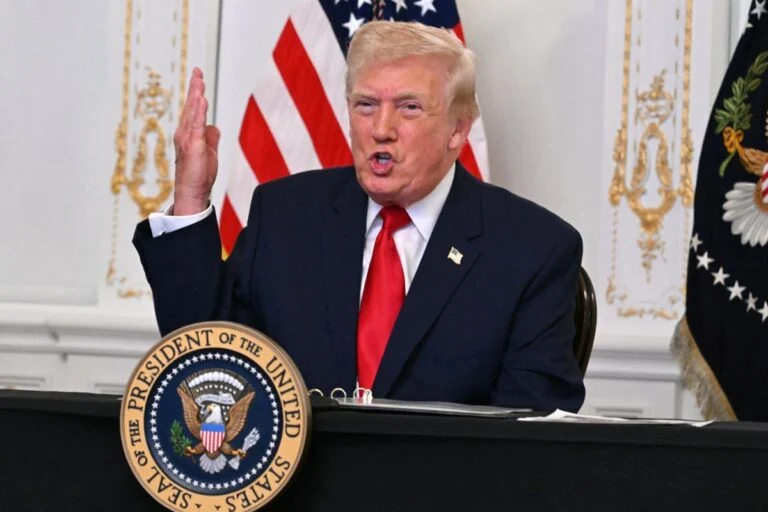
United States President, Donald Trump, welcomed Iran鈥檚 announcement that the narrow waterway would reopen but said the US naval blockade of Iranian ports would remain in place until a peace deal with Tehran is reached.
鈥淭he naval blockade will remain in full force and effect as it pertains to Iran only until such time as our transaction with Iran is 100 per cent complete,鈥� Trump wrote on Truth Social, adding that 鈥渢his process should go very quickly.鈥�
Oil prices, which had surged during the supply disruptions, fell sharply after Iran announced the reopening of the Strait.