





By Efa Sunday
Fresh tensions have erupted between the United States and Iran, casting doubt on the survival of their fragile ceasefire after Washington confirmed it had taken control of an Iranian cargo vessel, drawing sharp warnings from Tehran.
The incident comes just days before the two-week truce is due to lapse, with efforts to extend the agreement appearing stalled.
Iran has already declined a proposed second round of talks put forward by the US, further dimming hopes of easing hostilities.
Washington has maintained pressure on Iran through restrictions on its ports, while Tehran has at intervals imposed its own limits on shipping through the Strait of Hormuz, a vital passage that handles a significant share of global oil supply.
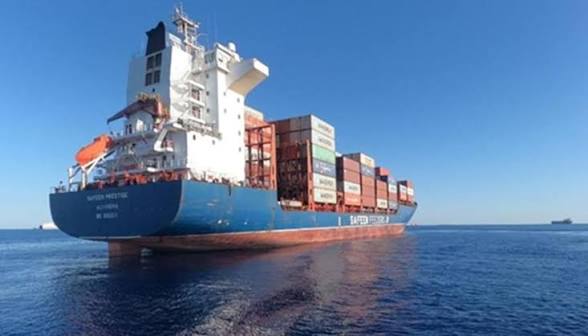
US officials said their forces engaged an Iranian-flagged vessel on Sunday after a prolonged standoff lasting several hours. The ship, reportedly heading for Bandar Abbas, had its engines disabled before US Marines boarded it from helicopters.
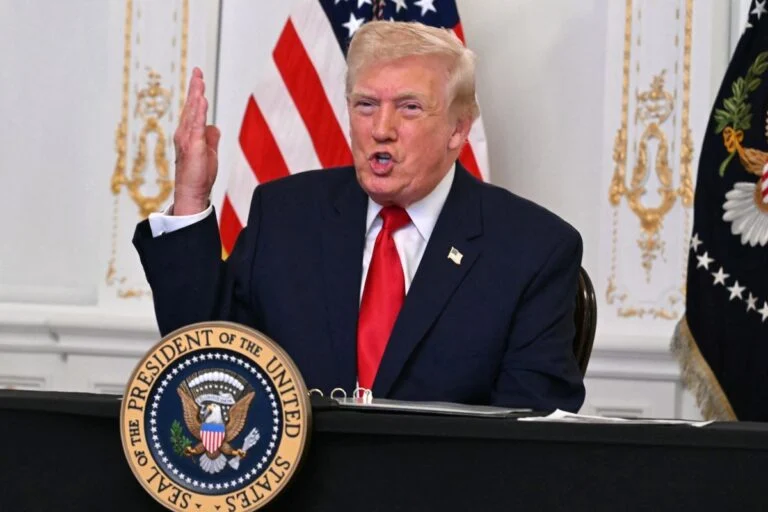
Confirming the operation, President Donald Trump said American forces had taken full control of the vessel and were inspecting its contents.
Iran, however, condemned the move, stating that the ship had departed from China and describing the US action as unlawful.
A military spokesperson warned that Iran鈥檚 armed forces would respond to what was termed 鈥渁n act of aggression.鈥�
The development unsettled global markets, with oil prices jumping by over five per cent and stocks showing volatility amid fears that renewed conflict could disrupt shipping routes in the Gulf.
Iranian authorities also brushed aside renewed diplomatic signals from Washington, pointing to ongoing economic sanctions and what they described as inconsistent US demands.
Iran鈥檚 First Vice President, Mohammadreza Aref, said it was unreasonable to expect stability in global energy supply while Iran鈥檚 oil exports remained restricted, warning that the situation could carry wider consequences.
Earlier, Trump had indicated that key Iranian infrastructure could be targeted if Tehran refused US conditions, a stance that has further heightened tensions.
Iran, in response, has threatened to strike critical facilities in Gulf countries hosting US military installations.
Even as uncertainty surrounds the talks, Pakistan continues mediation efforts.
Reports indicated that US representatives were expected in Islamabad on Monday, although there were conflicting accounts regarding who would be part of the delegation.
While a White House official suggested that Vice President JD Vance would head the team alongside envoy, Steve Witkoff and Jared Kushner. Trump later stated that Vance would not be attending.
Security in Islamabad has been tightened ahead of the anticipated visit, with reports of US military aircraft delivering equipment and restrictions placed on movement in parts of the city.
Iran鈥檚 parliament speaker, Mohammad Baqer Qalibaf, acknowledged that earlier discussions had yielded some progress but noted that major disagreements persist, especially on nuclear matters and control over the Strait of Hormuz.
European allies have also voiced concern, cautioning that attempts to fast-track an agreement may overlook complex technical issues that require more time to resolve.
Now stretching into its eighth week, the conflict has severely disrupted global energy markets, largely due to reduced oil flows through the Strait of Hormuz.
The fighting has also resulted in significant casualties, with thousands reportedly killed in US-Israeli strikes on Iran, as well as in Israel鈥檚 parallel military operations in Lebanon since late February.
Iran has responded with missile and drone attacks targeting Israel and nearby countries hosting US forces.
In a separate development, Iran鈥檚 judiciary announced the execution of two individuals convicted of working with Israel鈥檚 Mossad and planning attacks within the country.