





Akinwande Soji-Ojo
The Federal Government has clarified that it has no policy to increase electricity tariffs beyond the current level, dismissing reports suggesting that it plans to impose higher electricity costs on Nigerians.
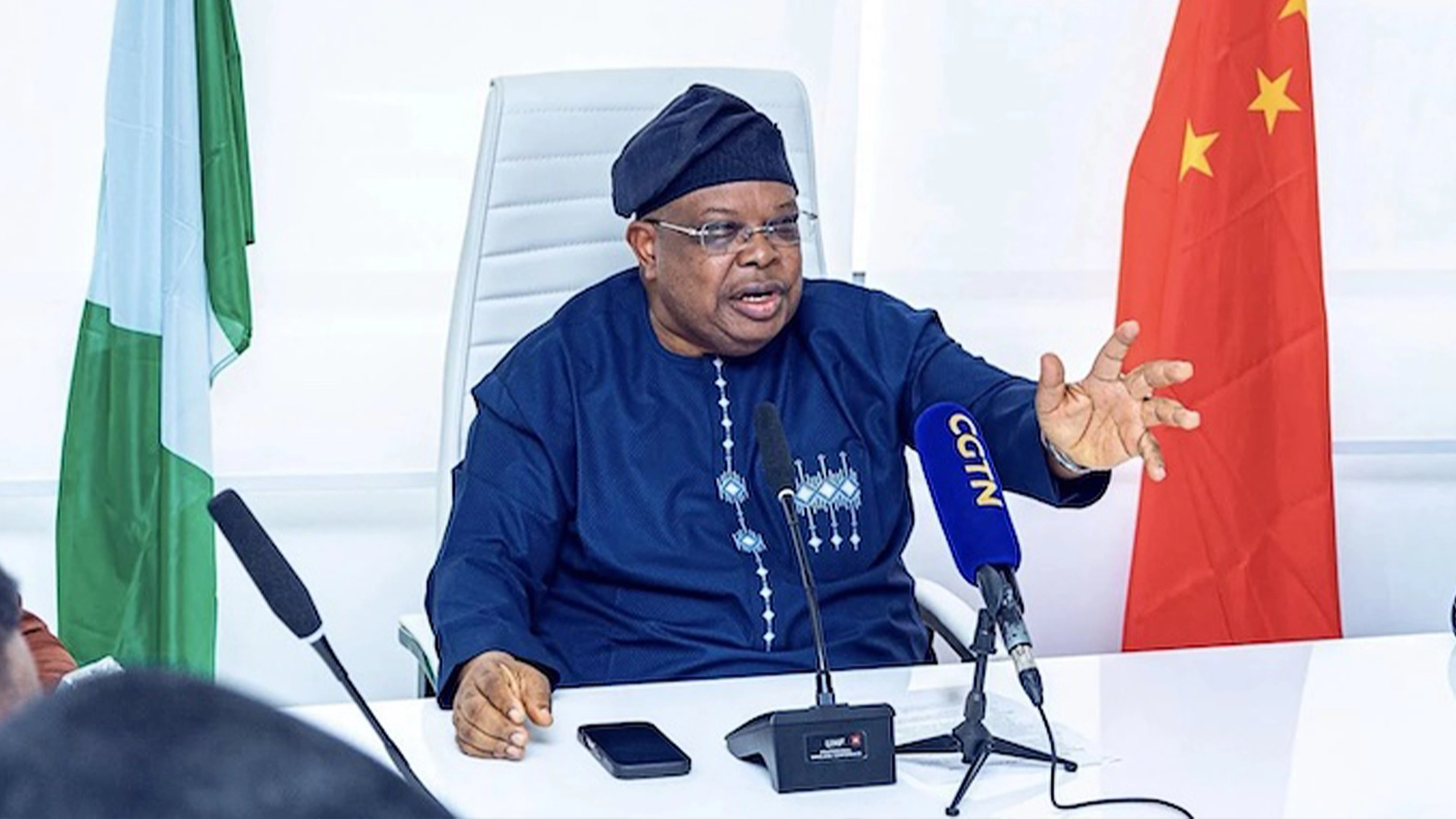
Minister of Power, Joseph Tegbe, made the clarification following widespread media reports that the government was preparing to raise tariffs and remove electricity subsidies.
According to the minister, the immediate focus of the President Bola Tinubu administration is to improve electricity supply, expand metering, and ensure consumers are billed only for the power they actually use.
“There is no policy by this administration to increase electricity tariffs beyond its current level. Our priority is not tariff increase in the immediate term.
“Our priority is service improvement, universal metering and ensuring Nigerians pay only for the electricity they actually consume.
“Indeed, the Federal Government will continue to examine additional mechanisms for protecting vulnerable consumers while simultaneously improving the financial sustainability of the electricity market,” Tegbe said.
He stressed that the ongoing reforms in the power sector are aimed at delivering tangible improvements rather than making policy pronouncements.
“Resetting the sector is not about buzzwords. It is about execution, discipline, coordination and measurable outcomes. We will measure our outcomes by improvements experienced in the daily lives of Nigerians.
“Our ambition is clear: reliable electricity that powers our homes, competitive electricity that powers our industries, sustainable electricity that attracts investment, and inclusive electricity that reaches every Nigerian,” he added.
Providing further clarification on the minister’s media briefing, Gaffar Tunde, an analyst and stakeholder in the Nigerian Electricity Supply Industry (NESI), said reports claiming that the Federal Government planned to increase electricity tariffs or remove subsidies misrepresented Tegbe’s remarks.
According to him, the minister’s briefing focused on reforms aimed at strengthening Nigeria’s electricity value chain rather than imposing additional financial burdens on consumers.
He explained that Tegbe identified a comprehensive technical audit of the national transmission network as his first priority. The exercise, he said, is designed to identify ageing infrastructure, overloaded substations, weak transmission corridors, protection failures and other operational bottlenecks to guide investments and improve grid reliability.
Tunde also disclosed that the ministry plans strategic investments in three major transmission corridors鈥擫agos, Enugu-Port Harcourt, and Abuja-Kaduna-Kano鈥攖o enhance grid stability and reduce system failures.
He added that the ministry is adopting an integrated approach to electricity distribution by working with the Rural Electrification Agency (REA) to bridge supply gaps, particularly in underserved communities.
According to him, the government is also pursuing a “let the strong support the weak” model by leveraging commercially viable areas with high electricity demand to improve liquidity in the sector, which would, in turn, fund projects that deliver better services nationwide.
Tunde said Tegbe acknowledged that while Nigeria’s power sector still faces significant challenges, progress is being recorded, citing the country’s attainment of 5,000 megawatts of electricity generation. However, he noted that the minister emphasised that true success would be measured by reliable electricity reaching homes, communities and industrial clusters.
He further revealed that the minister highlighted several completed REA mini-grid projects that have provided electricity to universities and health facilities across the country.
According to Tunde, the next phase of the programme will extend electricity to the University of Lagos, University College Hospital (UCH), Ibadan, and The Polytechnic, Ibadan, among other institutions.
He also clarified that Tegbe did not announce plans to remove electricity subsidies or introduce policies that would worsen the burden on Nigerians.
Rather, the minister explained that electricity subsidies differ from petrol subsidies, noting that what exists in the power sector is a tariff shortfall and not a direct cash subsidy.
Tunde urged the media to report the minister’s comments accurately, saying the focus should remain on the ongoing reforms aimed at improving electricity supply and delivering sustainable power to Nigerians under the Tinubu administration.