






Akinwande Soji-Ojo
The United States(US) will stop issuing routine visas at its Embassy in Abuja from August 1, 2026, as part of a major realignment of visa operations across Africa.
The US Department of State announced that routine visa services at the embassy in Abuja would be transferred to the US Consulate General in Lagos, which has been designated as Nigeria’s new visa processing hub.
According to the department, Nigerian citizens and residents seeking US visas from August 1 must schedule appointments and pay the required visa fees at the Consulate in Lagos.
The move is part of a broader restructuring of visa operations across the continent aimed at strengthening national security, improving efficiency, and aligning resources with US immigration policy priorities.
In a statement, the Department of State said the realignment is part of a long-standing practice designed to promote more uniform screening, vetting and adjudication standards.
“The U.S. Department of State is realigning visa operations in Africa to regional hubs as part of a long-standing practice that strengthens national security by promoting more uniform screening, vetting, and adjudication standards, as well as improving efficiency and adjusting to shifting U.S. immigration policy priorities and objectives.
“Effective August 1, 2026, several U.S. Embassies and Consulates in Africa will no longer be offering routine visa services, including U.S. Embassy Abuja. Citizens and residents of Nigeria who wish to apply for a U.S. visa must schedule an appointment and pay the required visa fee at U.S. Consulate Lagos, the new designated location,” the statement read.
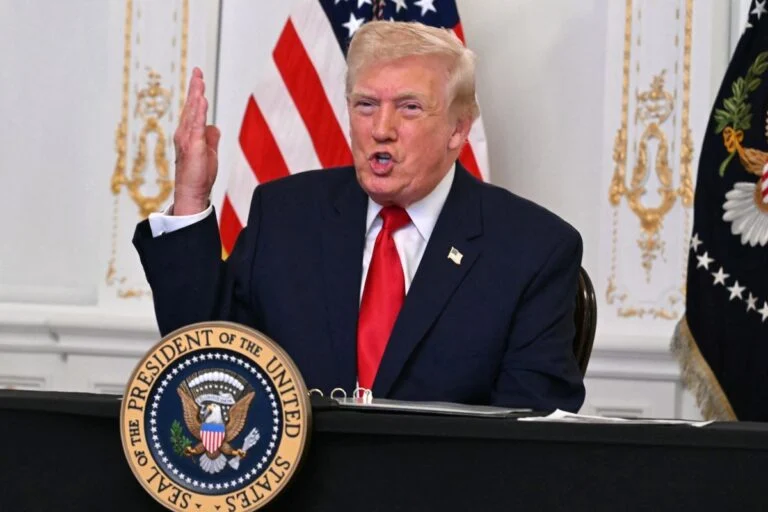
The State Department said the decision reflects President Donald Trump’s “America First” agenda, which prioritises national security, cost reduction and more efficient government operations.
“President Trump is putting America and Americans first by strengthening national security, cutting government waste, and ensuring government works in the interests of the American people,” the statement said.
It added that the department continually reviews its overseas operations to ensure they advance US priorities efficiently while maintaining rigorous visa screening and vetting standards.
“The Trump Administration has no higher priority than the safety and security of Americans, and the State Department will continue to provide Americans with appropriate consular services and assistance at diplomatic posts around the world,” it said.
The department noted that similar regional visa hub arrangements have already been successfully implemented in several African countries and parts of Europe.
Beyond Nigeria, routine visa services will also be transferred from US diplomatic missions in Antananarivo, Asmara, Bamako, Banjul, Brazzaville, Bujumbura, Conakry, Cotonou, Durban, Freetown, Gaborone, Harare, Juba, Libreville, Lilongwe, Lusaka, Maputo, Maseru, Mbabane, N’Djamena, Niamey, Nouakchott, Ouagadougou and Windhoek to designated regional visa hubs.
The State Department, however, said existing visa restrictions imposed under Presidential Proclamation 10998, visa bond requirements and pauses on immigrant visas for certain nationalities remain in effect.