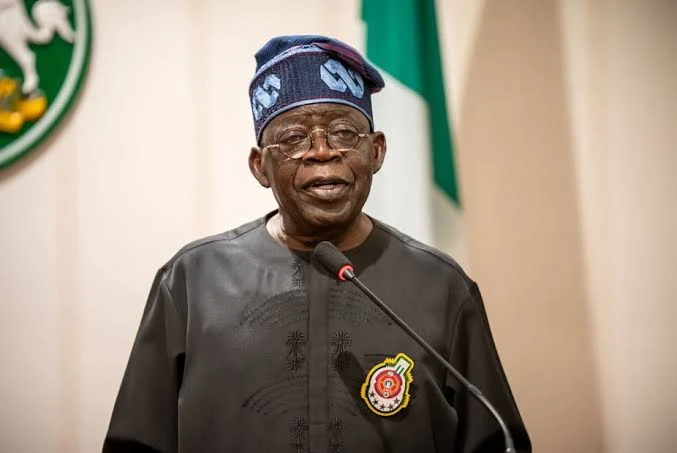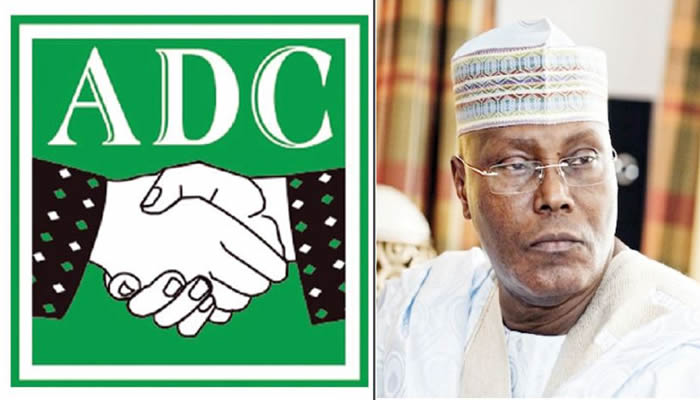










The African Democratic Congress (ADC) has accused President Bola Tinubu of using the Federal Government鈥檚 proposed N50,000 monthly cash relief programme as an election gimmick to regain public support ahead of the 2027 general elections.
In a statement issued on Saturday by its National Publicity Secretary, Bolaji Abdullahi, the ADC alleged that the proposed payment was a response to its campaign promise to address the rising cost of living and restore Nigerians鈥� purchasing power.
The opposition party described the initiative as a desperate attempt to win back Nigerians allegedly alienated by the administration鈥檚 economic policies, questioning why the government waited until the election season to introduce the intervention.
Abdullahi said the Tinubu administration had announced several relief measures since assuming office but accused it of failing to translate many of the promises into tangible benefits for ordinary Nigerians.
He cited the proposed $1 billion Renewed Hope Social Intervention Fund announced in August, a 30-day fuel discount, cheaper transportation promised across states from October 1, and a N70,000 transportation allowance for workers.
The ADC spokesperson argued that the latest N50,000 cash relief was another attempt by the government to respond to growing public dissatisfaction rather than a carefully designed social protection policy.
鈥淎t best, this is an election gimmick designed to deceive Nigerians into believing that a government which has neglected them for more than three years suddenly cares about their welfare. At worst, it could become another scheme to siphon public funds under the convenient cover of poverty alleviation,鈥� the statement added.
Abdullahi said the timing of the announcement suggested that the government was under pressure following the ADC’s campaign focus on affordability and the rising cost of living.
鈥淧resident Tinubu is in full panic mode now. Since the ADC and our Presidential Candidate, Atiku Abubakar, have made affordability and reducing the cost of living the cardinal focus of our campaign, the government has been announcing one desperate intervention or another,鈥� he said.
The party also questioned the purchasing power of the proposed N50,000, arguing that the amount would offer little relief to households grappling with rising food, transportation, fuel and healthcare costs.
鈥淲hat exactly is N50,000 supposed to buy in Tinubu鈥檚 Nigeria today? How much food can a family purchase with that amount? How much transport can it cover? And for how long?鈥� the statement queried.
The ADC maintained that the government should have incorporated targeted financial assistance into its economic reform programme from the outset rather than introduce cash relief measures after Nigerians had endured years of hardship.
It also accused the administration of mismanaging its economic reforms and ignoring repeated warnings about the hardship that would follow the removal of the fuel subsidy and other policy changes.
Abdullahi said the government had spent much of its tenure asking Nigerians to endure economic difficulties, only to introduce financial interventions as the next general election approached.
鈥淚f they could give N50,000 to vulnerable Nigerians, why didn鈥檛 they factor it into reform plans from day one rather than make it an election-season handout?鈥� he asked.
Beyond questioning the timing and adequacy of the proposed relief, the opposition party raised concerns about transparency and accountability in the management of government intervention funds.
It cited findings attributed to the Auditor-General concerning previous cash transfer programmes, alleging that billions of naira could not be properly accounted for under the administration.
The ADC consequently challenged the Federal Government to explain what happened to the funds and disclose whether officials implicated in any financial irregularities had been held accountable.
鈥淗ow can a government that has failed to explain what happened to its previous intervention funds expect Nigerians to trust it with another programme involving billions of naira?鈥� the party asked.
It warned that the latest intervention could become another avenue for the diversion of public resources without adequate safeguards and transparent monitoring mechanisms.
Abdullahi said addressing Nigeria鈥檚 cost-of-living crisis required more than periodic cash transfers, insisting that the government must focus on restoring purchasing power and reducing the cost of food, energy and transportation.
The criticism comes as political parties and their presidential hopefuls begin positioning themselves ahead of the 2027 general election, with the economy, rising living costs and public welfare expected to feature prominently in campaign debates.
The Tinubu administration has defended its economic reforms as necessary measures to stabilise the economy and promote long-term growth, while announcing various social intervention programmes to cushion their immediate impact on households.