









Akinwande Soji-Ojo
The Nigerian Academy of Letters (NAL) has condemned the decision of the 69th National Council on Education (NCE) to cancel the National Language Policy (NLP 2022) and adopt English Language as the sole medium of instruction at all levels of education, describing the move as a setback for national development.
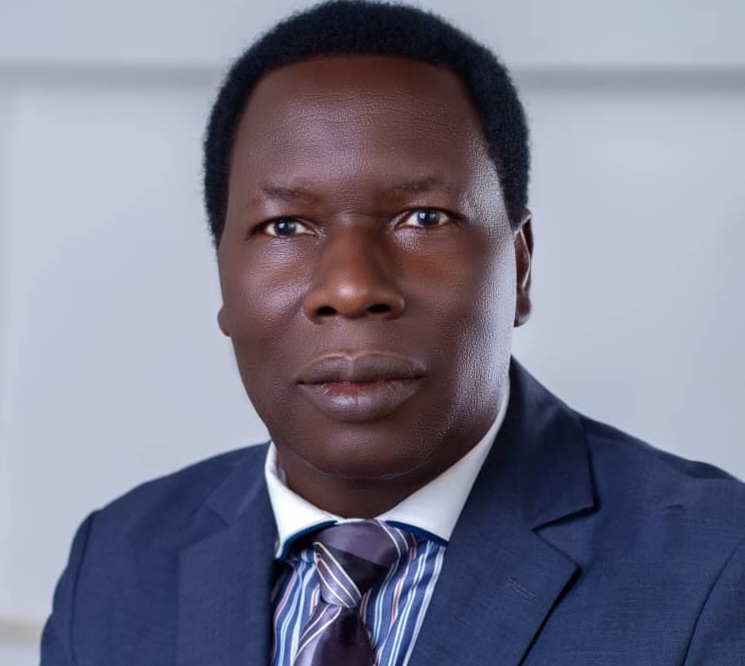
In a statement issued on Friday by its President, Prof. Andrew Haruna, the Academy said the decision reached at the NCE meeting held in Akure from November 3鈥�6, ignored decades of research, expert consensus, and global best practices that support mother-tongue-based multilingual education.
According to NAL, the National Language Policy (2022) was the product of more than 40 years of incremental decisions by the NCE, extensive scholarly research, and wide consultations with educators, communities, and linguists across the country. The body said discarding the policy 鈥渨ithout due regard for expert knowledge and public opinion鈥� was 鈥渟cornful of Nigerians鈥� and reflected poorly on the government鈥檚 respect for evidence-based policymaking.
NAL noted that national and international studies, including UNESCO guidelines, clearly show that children learn better when taught in their mother tongue. It referenced the landmark Six-Year Ife Primary Education Study led by the late Prof. Babs Fafunwa, as well as global examples such as Bolivia and Ghana, both of which have implemented multilingual education models inspired partly by Nigeria鈥檚 early initiatives.
鈥淚ronically, while other African countries such as Ghana are following Nigeria鈥檚 lead, Nigeria is reversing a policy that it has not even implemented,鈥� Haruna said.
NAL further criticised the Ministry of Education, saying an approved implementation framework for NLP 2022 already exists, and suggested that the Minister may not be aware of this. It warned that abruptly cancelling the policy creates the impression that government is disconnected from the aspirations of the Nigerian people.
The body warned that reversing the language policy would have 鈥渟erious and far-reaching implications,鈥� including undermining decades of advocacy for indigenous languages, threatening Nigeria鈥檚 linguistic diversity and cultural identity, contradicting constitutional provisions supporting mother-tongue instruction, marginalising speakers of minority languages, and reverting the country to 鈥渢he colonial enterprise of linguistic domination and cultural alienation.
NAL stressed that denying children education in their mother tongue 鈥渋mpoverishes their intellectual and imaginative potential鈥� and weakens the nation鈥檚 educational foundations.
鈥淚t is curious to know the source of the angst and vehemence expressed by the Honourable Minister of Education in seeking its reversal,鈥� the statement added.
The Academy reaffirmed that mother-tongue-based education remains essential for educational excellence and cultural preservation. It argued that eliminating Nigerian languages from the core curriculum would weaken the intellectual foundation of children, contradict global best practices, and jeopardise long-term national development.
It urged the Federal Government to reinstate and uphold the National Language Policy, retain Nigerian languages in the national curriculum, invest in teacher training and learning materials in indigenous languages, and collaborate with linguists and scholars for effective implementation.
Haruna also called on civil society, cultural organisations, NGOs, and the media to advocate for linguistic rights, raise public awareness, and hold government accountable. He encouraged international partners to support Nigeria in aligning with UNESCO鈥檚 multilingual education standards.
The Academy reaffirmed its readiness to work with the Federal Government, the Linguistic Association of Nigeria (LAN), educational institutions, particularly the National Institute for Nigerian Languages (NINLAN), and communities to ensure every Nigerian child learns from a foundation rooted in their linguistic and cultural heritage.
鈥淪ilence is not an option. Protecting our languages and promoting mother-tongue education is a national responsibility and a moral obligation to current and future generations,鈥� Haruna added.