





By Efa Sunday
The Federal Government has announced plans to abolish the long-standing Higher National Diploma (HND) dichotomy by empowering polytechnics to award degrees, in a major reform aimed at repositioning technical and vocational education as a driver of national development.
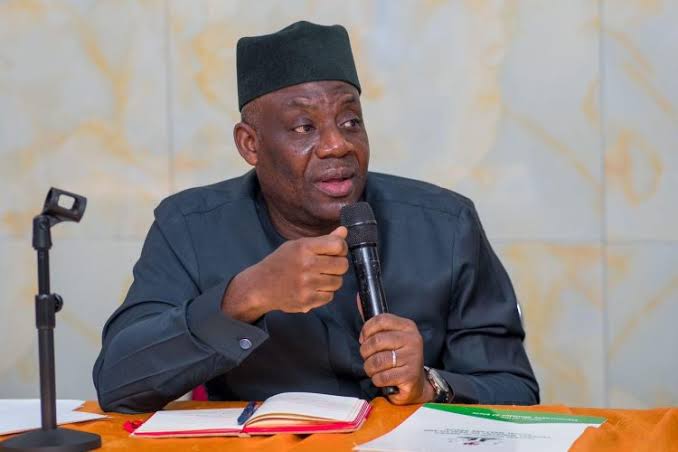
Minister of Education, Dr Tunji Alausa, disclosed this on Wednesday in Abuja while addressing a high-level retreat of council chairmen, commissioners of education, rectors, registrars and bursars.
He described the move as a landmark policy shift that would end decades of discrimination against polytechnic graduates and reposition polytechnics as centres of excellence within Nigeria鈥檚 higher education system.
According to him, the reform would strengthen polytechnic education while preserving its core focus on hands-on, industry-driven training critical to national growth.
Alausa said Nigeria鈥檚 future competitiveness depended on a workforce equipped with practical skills to create, build and solve real-world problems, noting that the policy aligned with President Bola Tinubu鈥檚 Renewed Hope Agenda on job creation, industrial expansion and human capital development.
He added that granting degree-awarding status to polytechnics would attract stronger industry partnerships, improved funding opportunities and increased public confidence in the institutions.
The minister assured stakeholders that the transition would be guided by clear standards, effective regulation and robust quality assurance mechanisms to ensure global competitiveness.
Speaking on the theme, 鈥淭ransforming Polytechnic Education in Nigeria: Innovation, Good Governance and Sustainability for National Development,鈥� Alausa said polytechnics were central to building a skills-based economy.
He said the ministry had prioritised Technical and Vocational Education and Training (TVET) to ensure graduates were industry-ready, innovative and capable of driving economic growth.
The minister urged polytechnic leaders to entrench innovation through entrepreneurship centres, research hubs and strong industry collaborations, identifying renewable energy, agri-technology, digital manufacturing and climate-resilient solutions as priority sectors.
On governance, Alausa stressed that transparency, accountability and ethical leadership must define the new era of polytechnic administration, calling for fiscal discipline, timely audits, prudent resource management and zero tolerance for corruption.
He also emphasised sustainability, encouraging institutions to increase internally generated revenue through production and service delivery, develop eco-friendly campuses and invest in resilient infrastructure.
Polytechnics, he said, should aim to produce what they consume and support national needs by reducing dependence on imports.
While acknowledging challenges such as funding gaps, outdated facilities and societal preference for university education, the minister said the opportunities ahead outweighed the obstacles.
He reaffirmed the Federal Government鈥檚 commitment to supporting polytechnics through policy reforms, infrastructure development and strategic partnerships.
Alausa further announced a special TETFund intervention in 2026 to upgrade polytechnic engineering schools with modern equipment, following a similar intervention for 12 medical colleges last year.
Charging participants to return to their institutions as agents of change, he said: 鈥淭he future of our youth, our economy and our nation depends on the transformation we ignite here today.鈥�
Education experts at the retreat described the announcement as a turning point, saying it would boost enrollment, motivate students and staff, and strengthen the contribution of polytechnics to key sectors including manufacturing, technology, agriculture and renewable energy.