





By Efa Sunday
Despite accurate predictions and repeated warnings from the Nigerian Meteorological Agency (NIMET), many Nigerians fail to heed, and get devastated by ravaging floods.
Imagine waking up to the sound of rushing water, not a gentle stream but a roaring torrent that swallows everything in its path. That is what happened to Alhaji Musa, a father of eight in Mokwa, Niger State, on that fateful May morning in 2025. He clutched his youngest child as the floodwaters rose, watching helplessly as his home, built over decades of hard work, crumbled like paper. “I saw my wife and newborn being swept away,” he recounted in a tearful interview with Sahara Reporters, his voice breaking as he described the moment that shattered his life.
Stories like Musa’s aren’t isolated tragedies. They are part of a grim pattern unfolding across Nigeria, where accurate weather forecasts from the Nigerian Meteorological Agency (NIMET) seem to evaporate into thin air when disaster strikes.
NIMET had been sounding the alarm since early 2025. In February, they released their Seasonal Climate Prediction, warning of a late onset of rainfall, but intense downpours in flood-prone areas. By May, flash flood alerts highlighted high-risk states like Niger, Kogi, and Anambra, urging residents to prepare.
These forecasts weren’t guesswork; NIMET’s advanced weather tech, including river gauges and satellite data, proved spot-on as heavy rains battered the country. Yet, as the waters receded in some areas only to surge in others, the question lingers: why do these disasters keep claiming lives and livelihoods? The suspense builds as we delve deeper, could it be ignorance, infrastructure failures, or something more systemic? The reality on the ground paints a devastating picture.
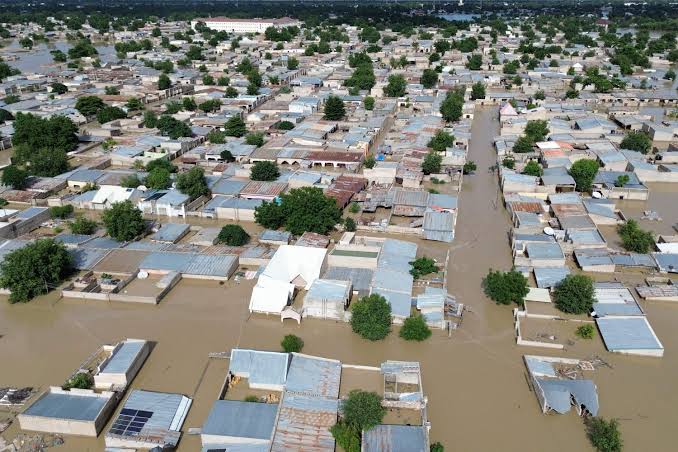
By September 7, 2025, the National Emergency Management Agency (NEMA) reported 231 lives lost to floods across 25 states, with 607 injured and 315,762 people affected. Properties worth billions of naira were destroyed, including over 50,000 homes and vast farmlands, exacerbating food insecurity in a nation already grappling with economic woes. Earlier updates from NEMA in August showed the toll climbing steadily: 165 deaths and 119,000 affected by mid-month, rising to 228 deaths and over 209,000 impacted by August 20. These numbers aren’t just statistics; they represent shattered communities, like the submerged markets in Mokwa where vendors lost everything overnight.
Breaking it down state-by-state reveals the uneven but widespread havoc. Niger State bore the biggest brunt, with hundreds of deaths recorded in the Mokwa flood alone, described as the worst in 60 years. There, at least 153 people perished, 45 were injured, and over 3,000 displaced, with critical roads and bridges wiped out, crippling local commerce.
Adamawa followed closely, reporting dozens of fatalities and thousands affected as rivers overflowed. In Borno, floods displaced entire villages, with residents like those in Maiduguri recounting traumatic escapes from rising waters. Gombe saw significant losses too, with farmlands ruined and homes collapsed. Other states like Lagos, Akwa Ibom, and Bayelsa reported high numbers of affected people. Lagos alone had thousands displaced due to urban flooding, while Bayelsa鈥檚 coastal communities lost over 700,000 to inundation. In total, NEMA’s August figures estimated 191 deaths across Niger, Adamawa, Gombe, and Borno, but the nationwide count kept rising.
Oyo State, identified as high-risk by NIMET, experienced its share of woes amid the rainy season. In Oorelope Local Government Area, a severe rainstorm in July ravaged the Igboho community, destroying over 500 houses and valuables worth millions of naira, leaving hundreds of families in distress. The storm’s fury extended to infrastructure, with floods collapsing a key bridge connecting Igbope in Oorelope to Kishi in neighboring Irepo LGA, stranding residents and disrupting daily life and commerce.
NEMA, in collaboration with the Oyo State Emergency Management Agency (OYSEMA), conducted rapid assessments in Oorelope and provided relief to victims, including food and non-food items to ease immediate hardships. While no fatalities were reported in these incidents, the economic and emotional toll on communities like Igboho underscores the vulnerability even in less severely hit areas.
In Ibadan, Oyo’s bustling capital, urban flooding compounded by poor drainage and heavy rains led to widespread disruptions. Residents in low-lying areas faced recurrent inundation, with properties damaged and movement hampered, though major casualties were averted through proactive evacuations. Local accounts describe chaotic scenes of waterlogged streets and submerged vehicles, highlighting how city-specific challenges amplify national flood risks. NEMA’s sensitization campaigns in Ibadan focused on flood mitigation, urging residents to clear drainages and heed warnings to prevent escalation.
Niger State stands out as the worst hit in the 2025 rainfall season. Photos from the affected scene are haunting. One widely shared image shows a young boy clinging to debris amid swirling waters, his eyes wide with terror, a stark reminder of the human cost. In Mokwa, survivors sifted through mud-caked ruins, where entire neighborhoods vanished. “We are still waiting, still suffering,” one Borno resident told journalists, a year after a similar dam collapse, highlighting how recovery lags far behind the floods.
But why do these calamities persist despite NIMET’s precise alerts? The answer unfolds like a thriller with multiple plot twists. First, there is gap in implementation: warnings reach officials, but often fail to trickle down to vulnerable communities due to poor communication channels. Urban planning plays a villainous role too. Illegal constructions on floodplains and blocked drainages amplify risks. Climate change intensifies rains, yet infrastructure like dams and levees remains outdated. NEMA’s Director General, Mustapha Habib Ahmed, noted in a May statement that while forecasts are accurate, “preparedness is key in reducing impact,” pointing to lapses in early action.
Relatable stories from citizens drive home the devastation. Take Farouk from Mokwa, who lost his 12-year-old business in the floods as an example. “I couldn’t sleep that night; everything I built is gone,” he lamented. In Borno, residents described “floods of tears,” with one woman recalling how she fled with her children as waters engulfed her home, leaving behind all possessions. A heartbreaking account from a boy who lost 27 family members underscores the emotional toll: “Only me and my father remain.”
In Oyo’s Igboho, a local farmer identified as Saliu Alao shared his anguish with newsmen: “Our homes are gone, our farms ruined, what do we do now?” he quipped as the community grappled with the aftermath of the July rainstorm. These narratives aren’t just anecdotes; they reveal how floods strip away not just homes, but hopes and futures.
The economic fallout is equally staggering. Destroyed farmlands in states like Delta and Edo mean lost harvests, pushing food prices sky-high and deepening poverty. In Bayelsa, over 700,000 displaced people faced disease outbreaks in cramped camps. Visuals from relief efforts show long lines for aid, with families huddled under tarps鈥� images that capture the raw desperation. In Oyo, the bridge collapse in Oorelope severed supply lines, inflating local market prices and isolating communities from essential services.
To break this cycle, mitigating measures must involve everyone. The government, through NEMA and NIMET, has rolled out early warning campaigns, desilting drainages, and building temporary barriers. States like Katsina engaged communities in preparedness workshops, while federal plans include integrity tests for dams. In Oyo, NEMA convened stakeholders for flood preparedness meetings and distributed relief in affected LGAs like Oorelope, emphasizing community involvement in risk reduction. But more is needed, like investing in resilient infrastructure and enforcing zoning laws.
The populace has a role too by clearing local drainages, heeding evacuation orders, and building community alert systems. NGOs like the International Organization for Migration (IOM) provide relief and advocate for better coordination, as seen in their response to Niger State’s floods. Stakeholders, including UNDP and Red Cross, push for integrated frameworks with early warnings and sustainable management.
Research emphasizes community resilience, like flood-resistant crops and education programs.
Private sector and civil society can fund tech for better forecasting dissemination, while international partners offer expertise in adaptation. As Vice President Shettima warned in April, 15 million Nigerians were at high risk, a call that demands collective action.
In the end, the suspense resolves not in defeat, but in determination. Nigeria’s floods are a test of resolve, where accurate forecasts meet human ingenuity. By bridging the gap between warning and action, from government halls to village squares, the nation can turn the tide.