





By Efa Sunday
The Federal Government has announced that more than 32 million students have already been captured on its new Digital National Education Information Management System (DNEMIS), ahead of the official launch of the platform on Wednesday, July 1.
The government said the digital platform is expected to improve education planning, budgeting and policy implementation by providing accurate and comprehensive data on schools, learners, teachers and education investments across the country.
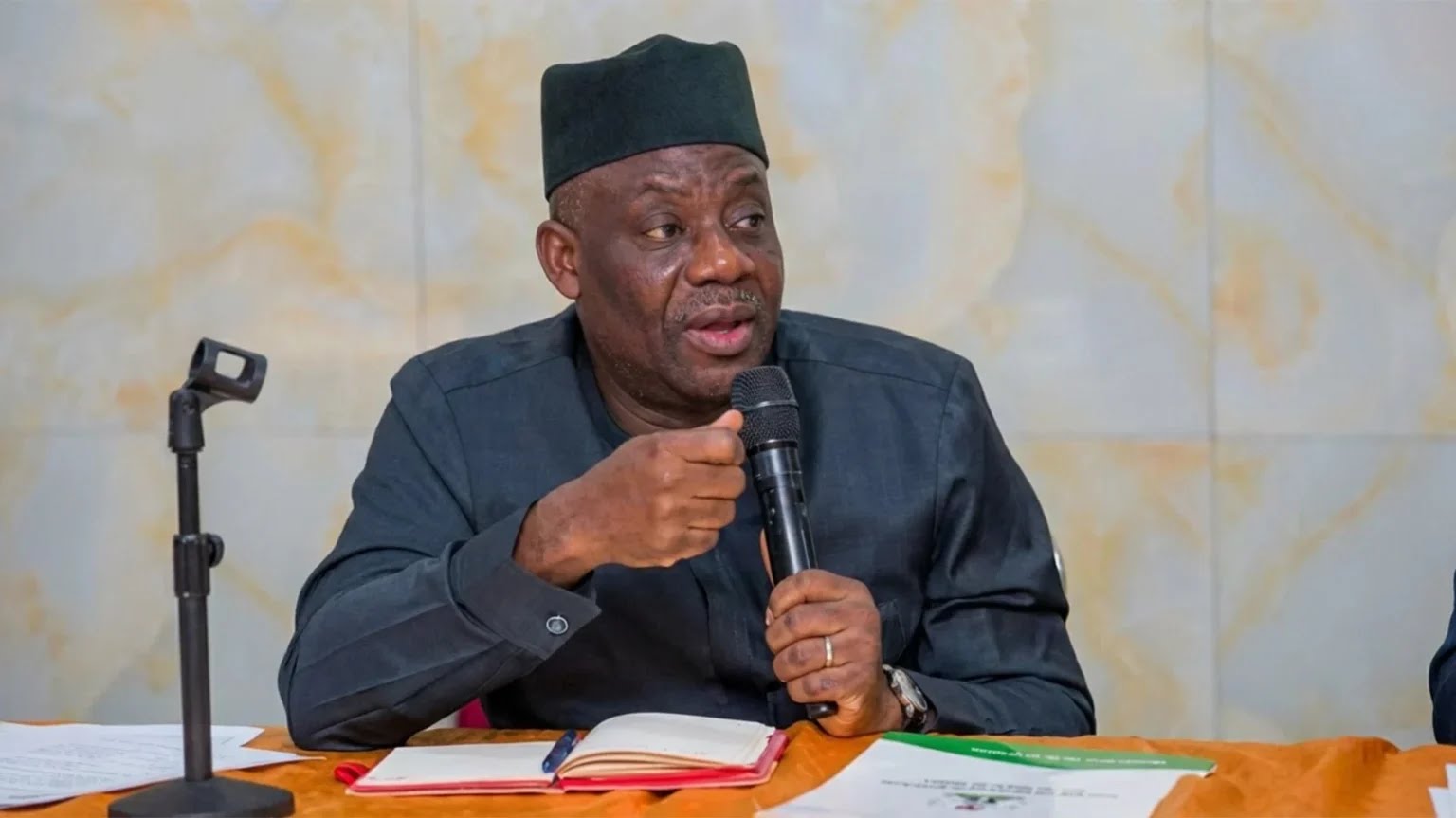
Speaking at a media briefing in Abuja on Monday, the National Project Coordinator of the Special Programmes Operations and Implementation Unit in the Office of the Minister of Education, Mr Adebayo Onigbanjo, described DNEMIS as a major step towards building a technology-driven education system.
He explained that the platform serves as the foundation of the Nigeria Education Data Infrastructure (NEDI), an initiative under the Nigeria Education Sector Renewal Initiative (NESRI), which seeks to strengthen decision-making through reliable education data.
According to Onigbanjo, the new system replaces years of fragmented and unreliable data collection that often limited effective planning in the education sector.
“For many years, education planning relied on fragmented systems, inconsistent reporting structures and limited access to reliable data.
“DNEMIS changes that by ensuring that every learner, every school, every teacher and every investment in education is captured within a system that supports evidence-based decision-making,” he said.
Onigbanjo said education data should be regarded as a strategic national resource capable of improving governance, accountability and transparency.
He added that the platform would play a critical role in addressing the country’s out-of-school children challenge by helping the government identify where children are dropping out and where interventions are most urgently needed.
“If you don’t measure, you can’t get a good sense of what the data is. Today, we already have 32 million students on the platform, and that gives us an indication of where learners are,” the project coordinator said.
He said the government would now be able to monitor the educational journey of every learner from enrolment until graduation or withdrawal from school.
“We are also understanding their journey from when they start school to when they drop out. That gives us insight into their challenges and where investments need to go.
“Every school becomes visible, every student gets counted, every teacher is known, and every government expenditure on education becomes trackable. To a great extent, this will stop wastage.
“The long-term vision is to ensure that every Nigerian child enrolled in formal education can be tracked throughout the learning process to support better educational outcomes.
“We are trying to achieve the ability to have visibility of all learners from the day they begin formal education until they leave the system. This provides the government with the information needed to plan effectively and improve learning outcomes,” he stated.
Responding to concerns over privacy, Onigbanjo assured that the platform was developed using internationally recognised digital standards with adequate safeguards to protect personal information.
He said sensitive records would remain protected, while authorised users would be able to access relevant data through secure digital identity profiles.
Also speaking, the National Coordinator of the Nigeria Education Data Infrastructure, Abubakar Isah, said the system fully complies with Nigeria’s data protection laws and international standards on data security.
“We recognise the importance of data protection. We are complying with the country’s data protection rules and taking every necessary precaution to ensure that this data is secure,” he said.
Isah further explained that schools and state governments would have access to their respective data, while communities, alumni associations and development partners would only be able to access non-sensitive information to support education development.
“The idea is to allow communities to know what their schools need so they can contribute to improving them, while also holding government accountable,” he said.
Earlier, the Special Adviser to the Minister of Education on Digital Communications and E-Learning, Miss Mojoyin Adebajo, described DNEMIS as a key milestone in Nigeria’s digital education reform.
She said the platform, built on the globally recognised DHIS2 infrastructure, would digitise the Annual School Census and provide accurate information on schools, teachers, learners and education facilities nationwide.
Adebajo also announced that the Federal Government would launch a public DNEMIS portal alongside the official unveiling of the platform.
She noted that the portal will give researchers, journalists, civil society organisations, development partners and members of the public access to selected official education data for the first time.
Adebajo said the initiative reflects the Federal Ministry of Education’s commitment to data-driven planning, transparency and the use of technology to improve learning outcomes.
The ministry also acknowledged the technical support of UNICEF and the University of Oslo in developing the platform and invited stakeholders to participate in the official launch and inauguration of the DNEMIS State Implementation Teams.