






Akinwande Soji-Ojo
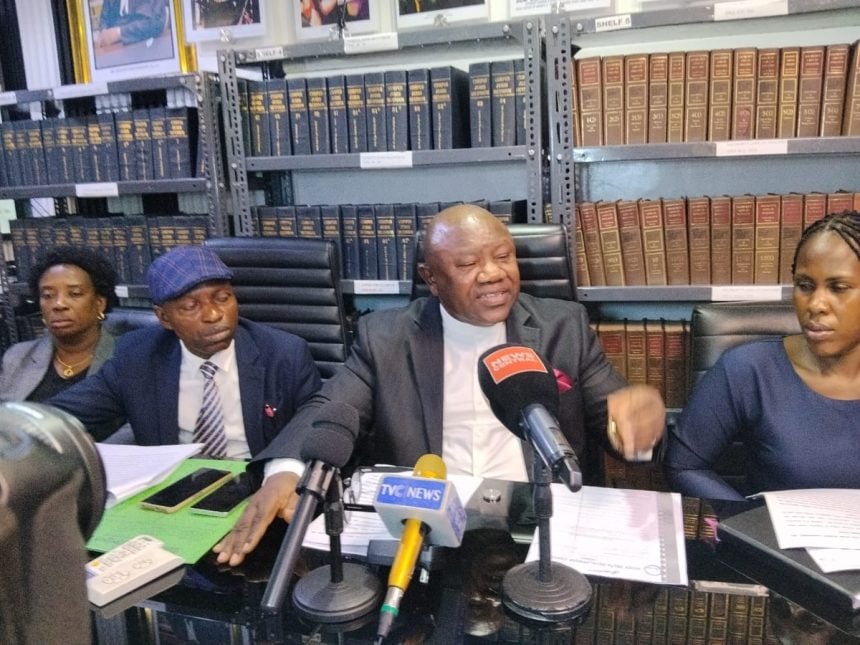
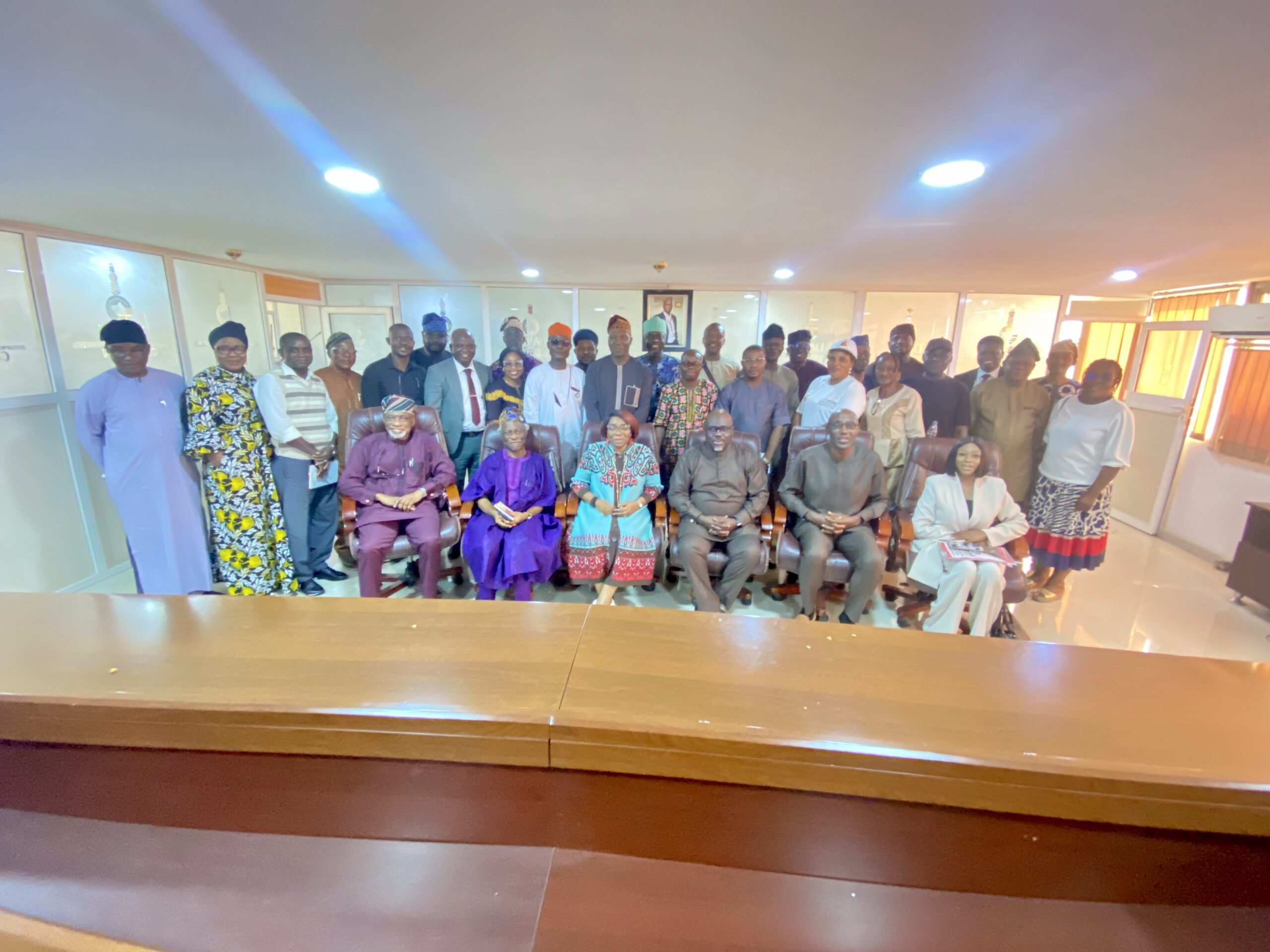
Education experts, policymakers, and cultural icons on Wednesday converged on Ibadan to chart a new course for basic education in the South West as the region marked 70 years of Universal Basic Education.
The symposium, themed “Retrospections & Projections: 70 Years of Universal Basic Education in South West Nigeria,� was held at the DAWN Commission office, Cocoa House, Dugbe, Ibadan.
In his remarks, Director-General(DG) of the DAWN Commission, Dr. Seye Oyeleye, said the region must confront the widening gaps in basic education delivery, especially in teacher capacity and early childhood learning.
“One key issue has become very clear: there must be massive investment in teacher education. You cannot give what you do not have.
“Yes, our governors are recruiting teachers, but we must move beyond filling classrooms. We need quality teachers. By 2031, we should be able to say confidently that the output from our teachers is excellent,� he said.
The DG warned that South West cannot retain its historical leadership in education unless early childhood learning receives urgent attention.
“Children are starting school at five or six, what foundation are we giving them? One of our contributors spoke extensively about early childhood education, and it shows why we must invest significantly in that area,� he added.
Oyeleye also raised alarm over the growing number of out-of-school children, urging the return of incentives such as school feeding to boost enrolment.
“The children we refuse to train today will make life uncomfortable for the children we train. This problem is not insurmountable; we just need focused, targeted policies,� he said.
Speaking, Hon. Wale Oshun, Chairman of the Afenifere Renewal Group (ARG), said the South West must not abandon the model that once positioned it ahead of the rest of the country.
“Free education was the foundation of the great strides recorded in the old Western Region. It created the human capacity that made government effective,� he said.
Oshun argued that Nigeria’s diversity makes a uniform, centralised education model unworkable.
“Because we are so different, a uniform national system cannot work. The whole purpose of regionalism was to allow each region to grow based on its strengths,� he noted.
On the ongoing crisis in public education, he said true reform will only begin when policymakers themselves use public schools.
“If commissioners and senior public servants send their children to public schools, they will ensure those schools work. That alone would transform the system,� he said.
He also backed the call for January 17 to be declared Free Education Day, saying it will preserve the legacy of visionary governance.
Prof. Adefunke Ekine, Head of the Childhood Education Department at Tai Solarin Federal University of Education (TASFUED), Ogun State, warned that the region is failing to build the foundational skills necessary for lifelong learning.
“Less than 40% of children who should be in pre-primary school are enrolled. That is alarming.
“Teachers handling young learners must possess 21st-century competencies—critical thinking, collaboration, communication, creativity. Government must invest in continuous professional development,” she said.
She added that the curriculum must be redesigned to prepare learners for a modern, innovation-driven economy.
On the challenges facing working parents, Ekine said crèches and early learning centres must be properly funded.
“By age eight, 90% of a child’s brain is developed. Early stimulation is not optional, it determines cognitive growth,� she said.
Ekine also supported the push for a South West Free Education Day, calling it “a meaningful way to preserve the region’s legacy and inspire better policies.�
Other discussants whose presentations enriched the discourse included Chief Tokunbo Ajasin, son of former Governor Adekunle Ajasin (primary architect of the free education policy in Western Region); Dr. I.A. Salami, Head of Early Childhood Education Unit, University of Ibadan; Mr. Ola Opešan, education consultant and author; Dr. Suleiman Adediran, Senior International Consultant, EU/Ministry of Education/Natkonal Monitoring and Evaluation Directorate; Prof. Abayomi Arigbabu, Commissioner for Education, Science and Techmology, Ogun State; Dr. Olusola Ayoola, CEO, Robotics and Artificial Intelligence Nigeria (RAIN); Tunde Kelani, filmmaker and cultural advocate.