





The South West Development Commission (SWDC) has commenced a campaign for corridor-driven urban development planning in the region, listing affordability, integration and sustainability as key benefits.
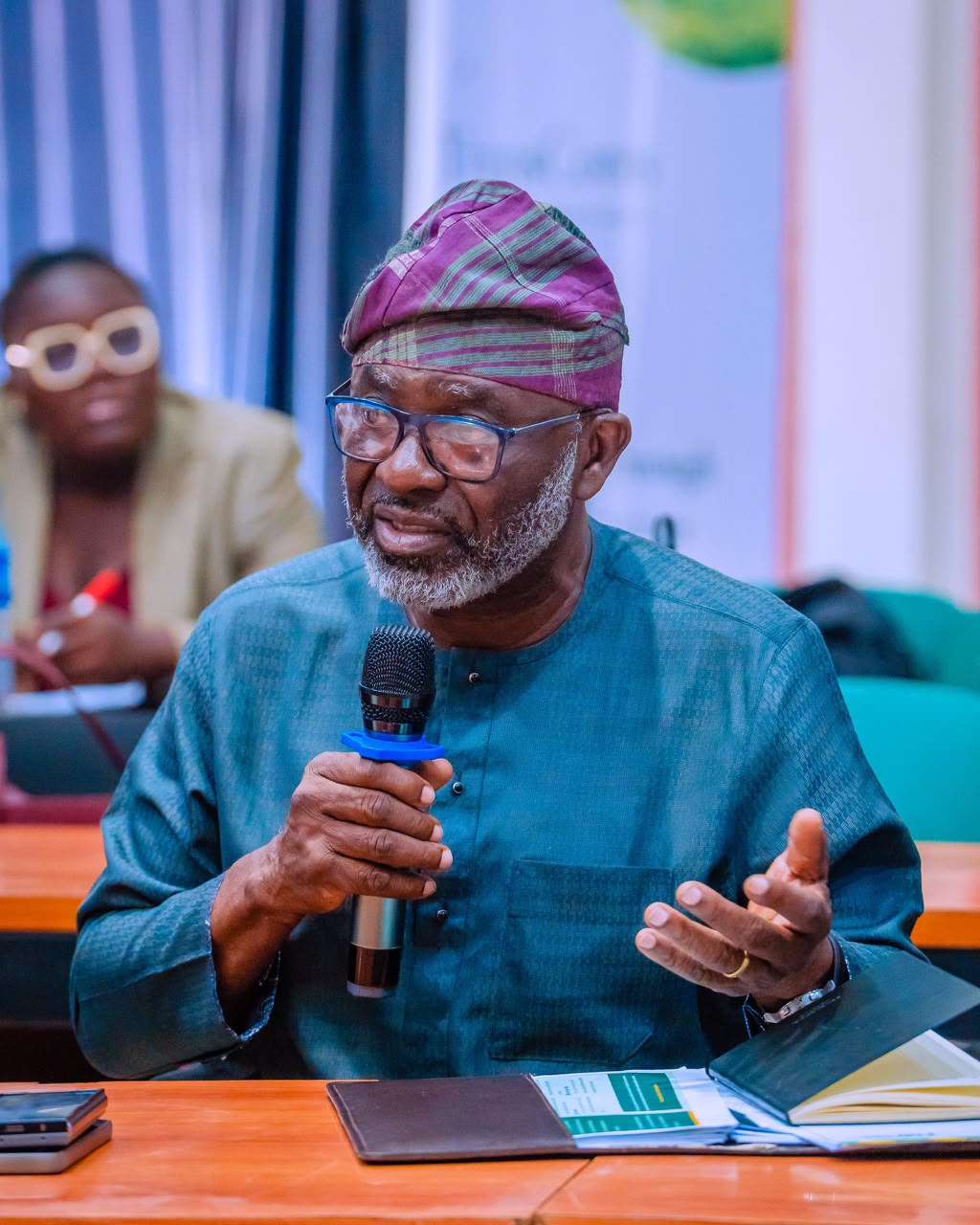
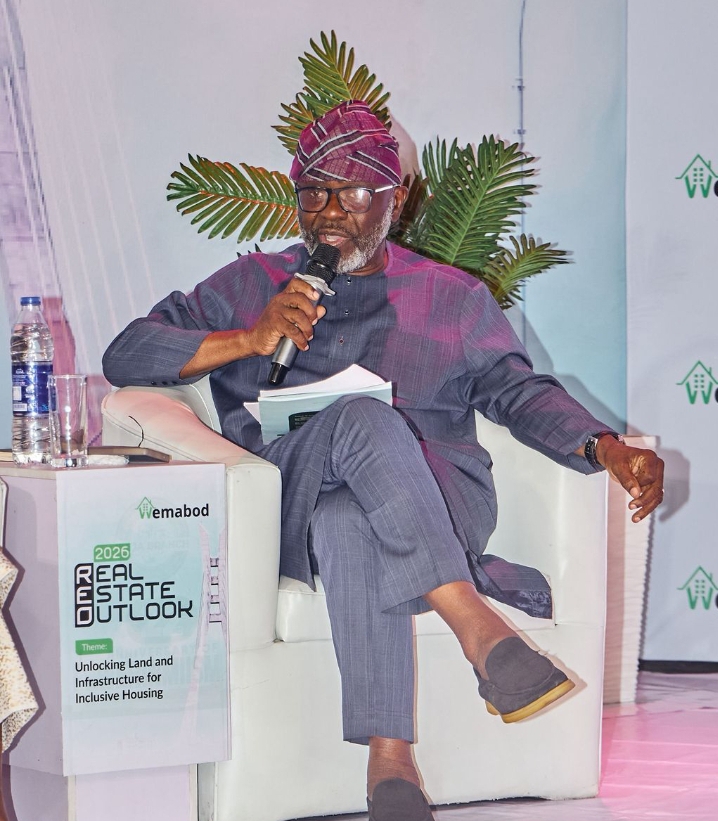
The Managing Director/Chief Executive Officer (MD/CEO) of the commission, Dr. Charles 鈥楧iji Akinola, advanced the model during a panel session at the WEMABOD 2026 Real Estate Outlook in Lagos on Tuesday.
Akinola explained that corridor-driven urban development addresses solo efforts by states and developers which produce fragmented and unsustainable urban projects.
He said the SWDC will help align multi-state infrastructure corridors and transit
systems with planned urban growth nodes to foster connected development thereby making it economically productive and environmentally more sustainable.
This role, he noted, was a reason for the establishment of the commission, in line with President Bola Tinubu鈥檚 Renewed Hope Agenda.
In his presentation entitled 鈥� Regional Agenda for Sustainable Real Estate And Urban Growth,鈥� Akinola cited the example of the growth along Lekki-Epe and the Free Trade Zone belt in Lagos which has successfully developed the area in a sustainable manner. He pointed out that proper regional rail development will produce the same result.
鈥淭he mistake we often make is to plan housing and real estate first and then try to retrofit infrastructure later. That model is costly and unsustainable.
鈥淎 better model is corridor-led planning 鈥� where major transport routes, logistics networks, industrial clusters, and mobility systems are mapped first, and then housing, commercial centers, and social infrastructure are deliberately located around growth nodes along those corridors.
鈥淭his approach produces three benefits. First, it connects housing to jobs and markets, which improves affordability in real life, not just on paper. Second, it allows bulk infrastructure to be delivered more efficiently at scale. Third, it prevents the emergence of isolated estates that later become socially and economically stressed,鈥� he said.
The SWDC boss stressed that upfront planning of trunk infrastructure at corridor scale reduces cost, improves infrastructure quality as well as environmental resilience.
鈥淲hen trunk infrastructure is planned and financed upfront at corridor or regional scale, two things happen; costs drop because of economies of scale, and quality improves because infrastructure is designed as a system, not as an afterthought.
鈥淚nfrastructure-first planning also improves environmental resilience. Drainage, flood control, transport access, and utility capacity can be properly engineered before dense settlement occurs. That reduces future urban risk and remediation costs.
鈥淔rom a regional standpoint, sequencing matters: infrastructure first, then large-scale development 鈥� not the reverse. That is how cities grow in a way that is viable, socially inclusive, and environmentally durable.
鈥淚f we coordinate better, plan regionally, and deliver infrastructure ahead of growth, the South West can become a model of integrated and inclusive urban development,鈥� he added.
Akinola emphasised that the commission is out to foster integration of state efforts, not to replace them, explaining that it will help multiply impact and achieve desired sustainable urban development.
鈥淚ntegrated systems 鈥� not isolated projects 鈥� will define the success of urban future,鈥� he said.