









By Oyindamola Davies
For years, many Nigerian families celebrated the switch from smoky firewood kitchens to cleaner and faster cooking gas. It was seen as a sign of progress, convenience and healthier living.
Today, that progress is quietly being reversed.
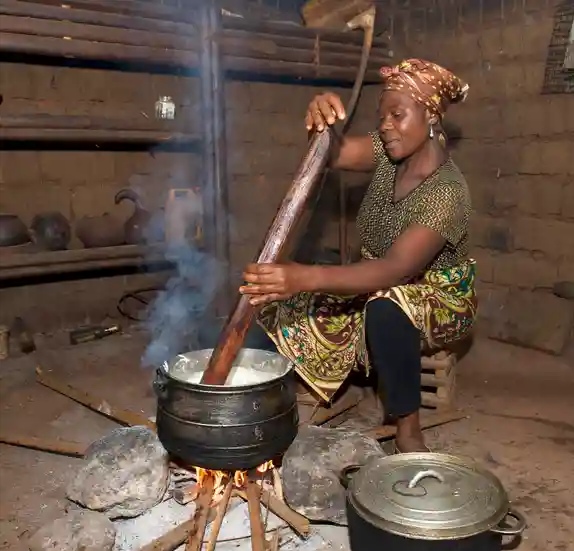
Across homes and food businesses in cities and rural communities alike, the familiar hiss of gas burners is increasingly giving way to the crackle of firewood and the smoky glow of charcoal stoves, as soaring cooking gas prices and worsening economic hardship force many households to revert to traditional cooking methods.
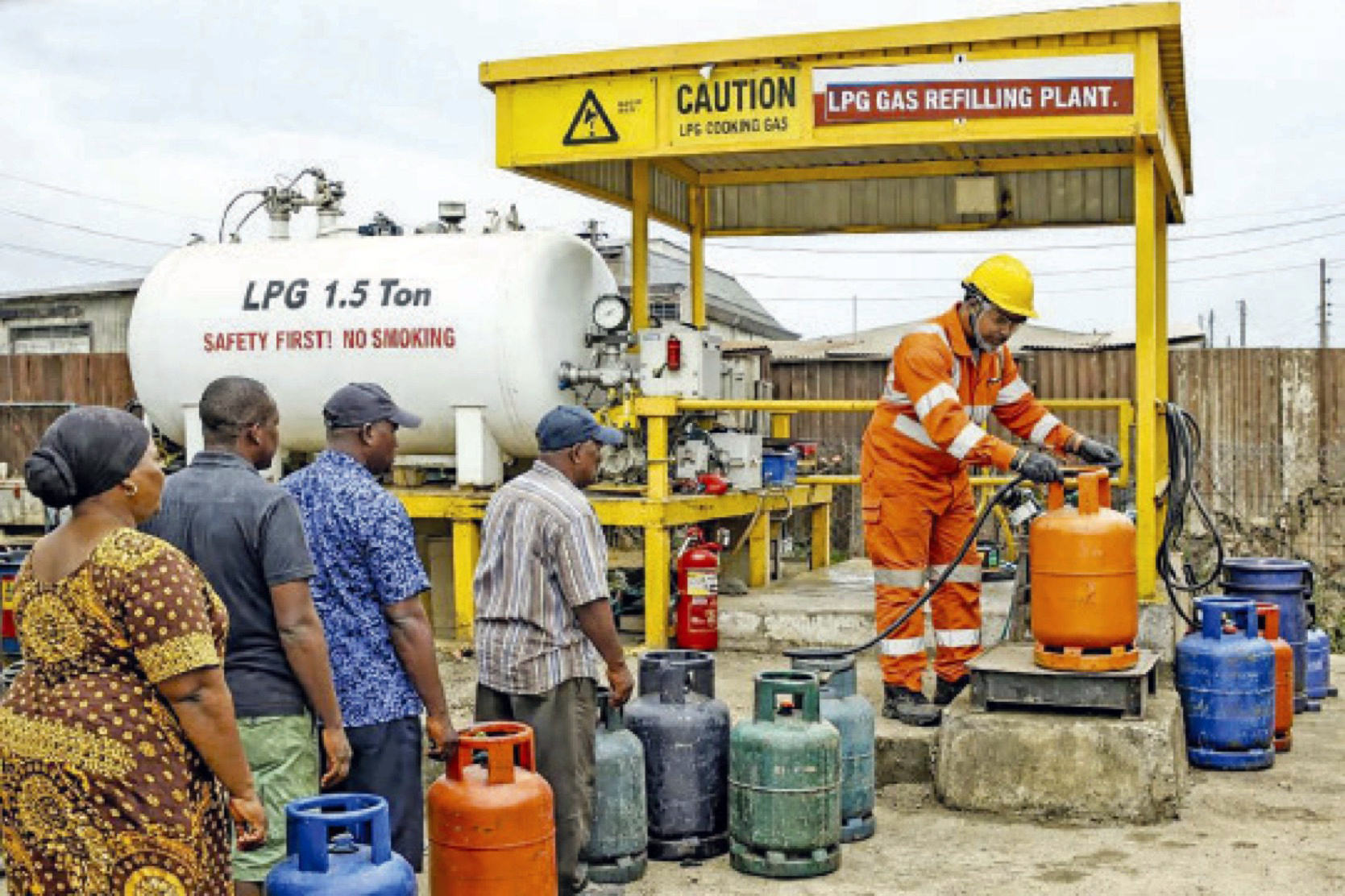
In markets across Lagos, Ibadan and Abeokuta, the price of Liquefied Petroleum Gas (LPG) has risen to between 鈧�1,800 and 鈧�1,900 per kilogramme as of June 2026. In states such as Osun and Kwara, consumers are already paying close to 鈧�2,000 per kilogramme.
Just months ago, the same quantity sold for less than 鈧�1,000.
The sharp increase means refilling a standard 12.5 kilogramme cylinder now costs between 鈧�22,500 and 鈧�25,000鈥攁n amount many low- and middle-income earners say is beyond their reach.
The impact is visible in neighbourhoods across the country.
Women who once abandoned firewood in favour of gas are returning to traditional clay stoves. Charcoal sellers report increased patronage, while stacks of firewood, which had become less common in urban areas, are once again filling roadside markets.
For roadside food vendors and small restaurant operators, the rising cost of gas has become a direct threat to their businesses.
Many have either increased food prices or switched to firewood to keep operating costs manageable.
The trend reflects a broader struggle with the rising cost of living, as households make difficult choices to survive amid persistent inflation and declining purchasing power.
What was once considered an outdated method of cooking is fast becoming an economic necessity.
Public health experts, however, warn that the shift comes with serious consequences.
Prolonged exposure to smoke from firewood and charcoal has been linked to respiratory diseases and eye problems, with women and children often facing the highest risks because they spend more time around cooking areas.
Environmental advocates have also raised concerns that increased dependence on firewood could place additional pressure on forests and accelerate deforestation if the trend continues.
For many Nigerians, the return to firewood is driven not by preference or nostalgia but by financial reality.
In many homes, families now reserve gas for quick meals while relying on charcoal or firewood for longer cooking tasks in an effort to make each refill last longer.
The shift has created what many residents describe as a new cooking culture鈥攐ne shaped less by choice than by economic survival.
As the cost of basic necessities continues to rise, the country’s kitchens have become yet another reflection of the hardship facing millions of citizens.
Unless cooking gas becomes more affordable, many fear that the transition back to traditional fuels will no longer be temporary but a lasting consequence of Nigeria’s economic challenges.