









By Efa Sunday
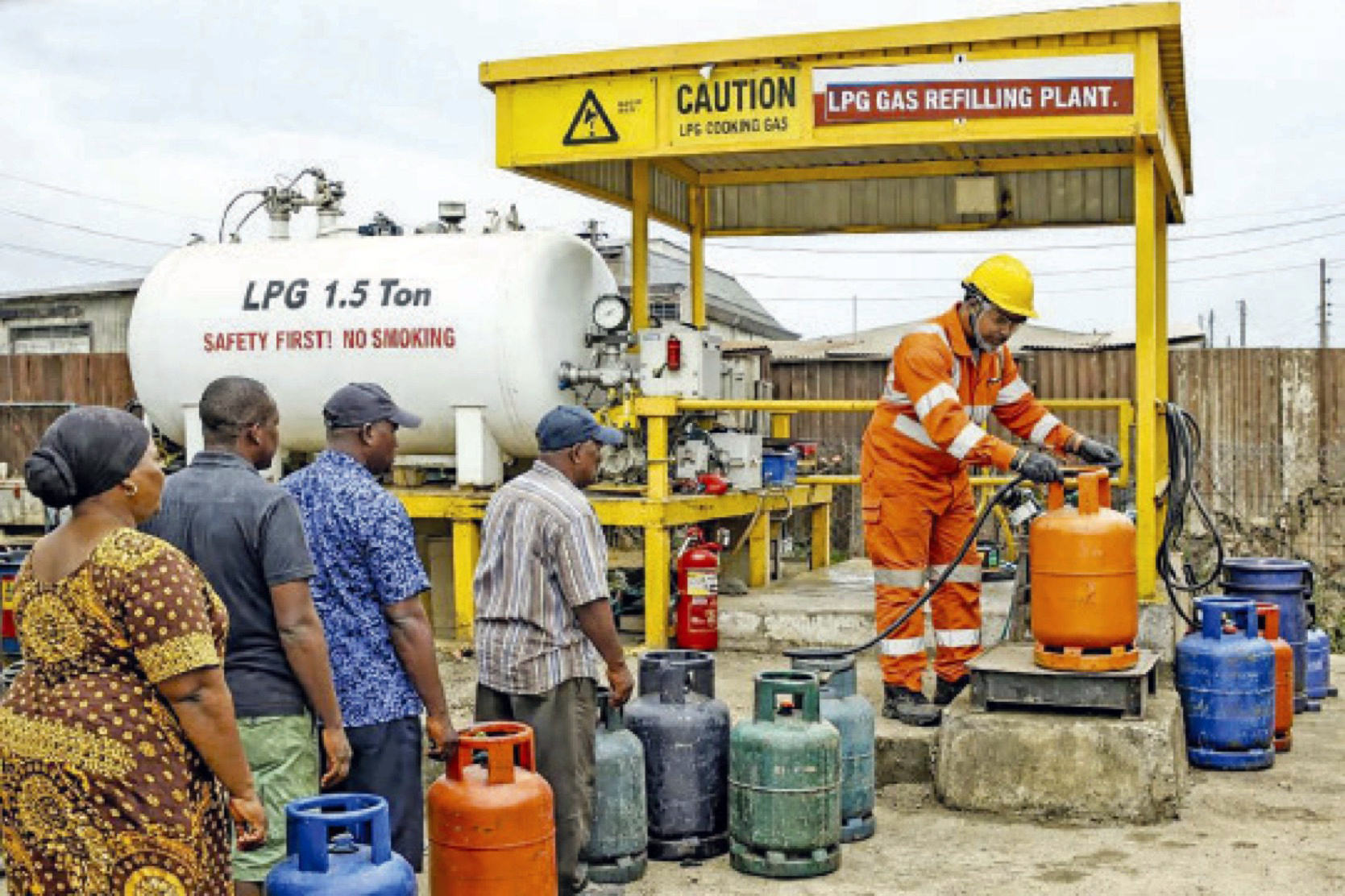
The Federal Government has intensified efforts to curb the rising cost of cooking gas across the country, convening an emergency stakeholders’ meeting aimed at improving supply, eliminating inefficiencies, and reducing price pressures nationwide.
At the meeting, the Minister of State for Petroleum Resources (Gas), Ekperikpe Ekpo, directed stakeholders to take immediate steps to boost LPG availability, improve distribution efficiency, and protect consumers. The engagement brought together key government agencies, regulators, producers, marketers, terminal operators, and industry associations to address challenges driving up the cost of Liquefied Petroleum Gas (LPG).
A statement by the Nigerian Midstream and Downstream Petroleum Regulatory Authority (NMDPRA) on Monday said the meeting also included the Department of State Services (DSS), the Economic and Financial Crimes Commission (EFCC), and the Nigeria Police Force to tackle LPG hoarding and diversion to neighbouring countries.
According to the Authority, the engagement was convened following the recent increase in LPG prices and was aimed at developing coordinated measures to improve supply, affordability, and market stability across the country.
Speaking at the engagement, the Permanent Secretary of the Ministry of Petroleum Resources, Patience Oyekunle, described LPG as a critical energy source for households and an important component of Nigeria’s energy transition agenda.
She noted that rising LPG prices are putting additional pressure on household budgets and increasing the cost of essential goods, stressing the need for collective action to improve access to affordable cooking gas.
While speaking at the meeting, the Minister of State for Petroleum Resources (Gas), Ekperikpe Ekpo, stated that President Bola Tinubu is concerned about the impact of rising LPG prices on Nigerians and has directed relevant agencies to take proactive steps to address the situation.
He emphasised that increased supply must be supported by efficient logistics, improved infrastructure, and transparent pricing mechanisms to ensure consumers benefit from interventions across the sector.
On his part, the Authority Chief Executive of the NMDPRA, Mallam Rabiu Umar, noted that high landing costs continue to influence LPG prices but expressed optimism that ongoing measures across the value chain would begin to ease market pressures in the coming weeks.
He added that the Authority is working with producers and other stakeholders to increase domestic supply, strengthen market oversight, and support interventions that will improve availability.
In a presentation delivered by the Executive Director, Distribution Systems, Storage and Retailing Infrastructure (DSSRI), Ogbugo Ukoha, NMDPRA identified infrastructure gaps, domestic supply constraints, logistics challenges, market distortions, and global supply disruptions as major factors affecting LPG pricing.
The Authority also reported improvements following recent engagements with producers, suppliers, and terminal operators.
According to him, national LPG supply sufficiency increased from 11 days to 22 days, while average daily supply rose from 4,262 metric tonnes in May 2026 to 5,040 metric tonnes in June 2026.
Stakeholders across the LPG value chain pledged their support for government efforts while highlighting challenges affecting storage, transportation, distribution, and market efficiency.
Agreed measures include intensified market monitoring, improved enforcement against malpractice, expansion of storage and distribution infrastructure, increased domestic production, enhanced product tracking systems, improved access to market data, and stronger collaboration among industry players.