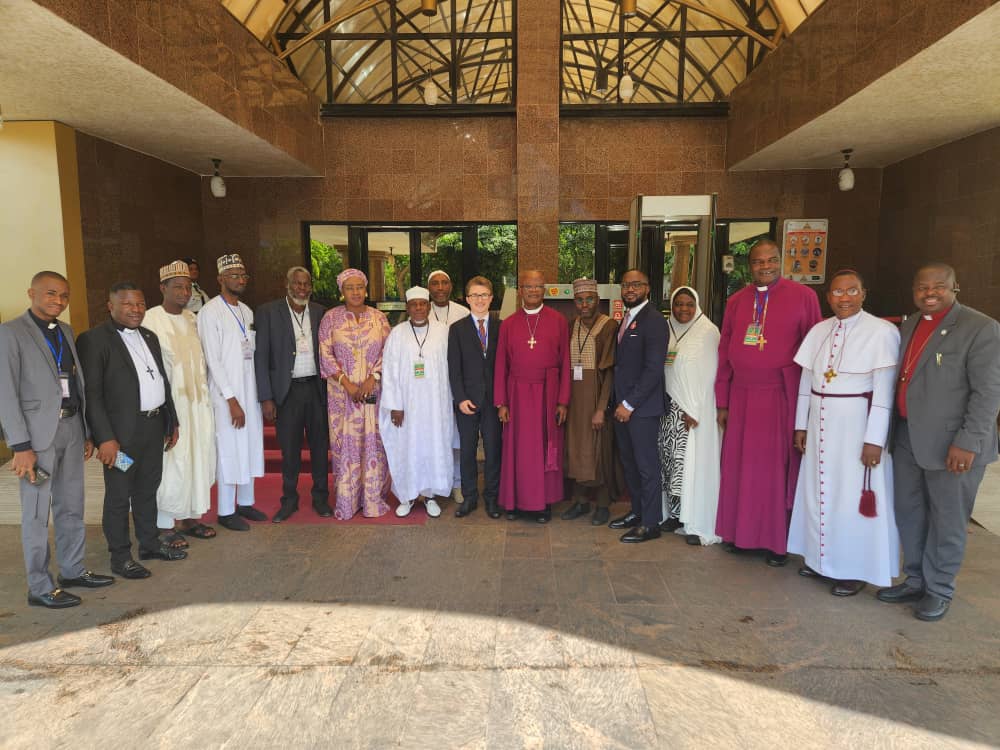










Religious leaders in Nigeria have underscored the vital role of faith communities in shaping the country’s approach to artificial intelligence (AI). They emphasized the significant influence of churches and mosques in Nigerian society, highlighting the need to deepen understanding of AI’s implications for faith, society, and governance.
This discussion was central to a consultation organized by the Christian Council of Nigeria (CCN) Institute of Church and Society, Ibadan, in collaboration with the Future of Life Institute, USA.
Under the auspices of the CCN and Jama鈥檃tu Nasril Islam (JNI), Christian and Muslim leaders gathered at the Reiz Continental Hotel, Abuja, to deliberate on how AI impacts religious practices and broader societal issues.
The landmark meeting explored AI’s role in community development, societal well-being, and ethical considerations, stressing the need for faith leaders to guide their communities in navigating the complexities of this technological era.
The consultation reaffirmed that religious leaders have a pivotal role in ensuring AI adoption in Nigeria and Africa aligns with ethical values and serves as a force for good. By promoting awareness, fostering collaboration with policymakers, and advocating for ethical AI governance, faith leaders can help balance technological advancements with spiritual principles.
Recognizing the deep influence of religious institutions in Nigerian public life, the consultation aimed to enhance understanding of AI and its implications for faith and society, equip religious leaders to contribute to AI-related policy discussions and foster collaboration between faith communities and policymakers for ethical and inclusive AI adoption.
Participants received insights on the transformative potential of AI in sectors like education, healthcare, agriculture, and religion. They noted that AI, while neutral in nature, requires responsible governance to ensure positive societal impact.
The discussions highlighted critical challenges, including the limited knowledge of AI within faith communities and the underrepresentation of religious leaders in policy conversations. However, participants acknowledged the unique strengths Nigeria and Africa bring to AI adoption and urged religious leaders to integrate AI discussions into their theological reflections to ensure technology complements, rather than replaces, spiritual values.
Key recommendations from the consultation include: Prioritizing training, reskilling, and AI education within faith communities, Actively engaging with the government to shape ethical AI policies, Advocating for resources, such as AI literacy programs and computerized examination materials in schools and Sharing success stories of AI use within religious contexts to inspire broader adoption.
Faith leaders concluded that with strategic guidance, Nigeria鈥檚 religious communities could help ensure AI serves as a tool for societal progress while safeguarding spiritual and ethical values.