





By Efa Sunday
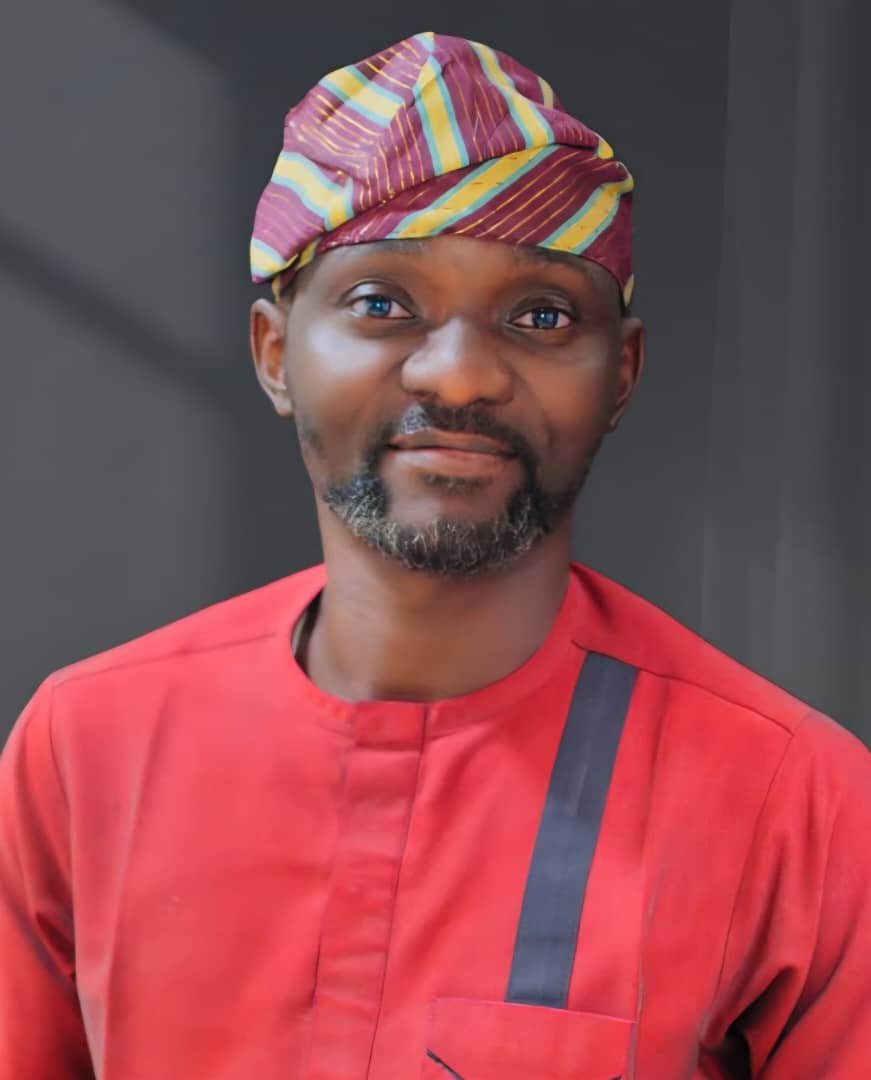
Award winning journalist and media strategist, Olaoluwa Mimiola, has advocated the ethical integration of artificial intelligence in journalism, stressing that technology should complement, not replace, human judgment in news gathering and reporting.
Mimiola made the call while delivering a guest lecture on Wednesday at the 2026 Student Training and Development Programme of the Department of Mass Communication, Southwestern University Nigeria.
Speaking to students, lecturers, university management and industry stakeholders, the media expert presented a paper titled, “Smart Journalism and AI: Redefining News Creation and Distribution,” under the broader theme, “Bridging the Gap Between Town and Gown.”
He said the rapid advancement of artificial intelligence is reshaping journalism globally, making it imperative for aspiring media professionals to acquire digital competencies alongside traditional reporting skills.
According to him, modern journalism requires practitioners who can effectively combine technological innovation with ethical responsibility, particularly in an era increasingly defined by misinformation and AI generated content.
“Smart Journalism is not the replacement of reporters by machines. Rather, it is the deliberate integration of Agentic AI to automate the mundane and repetitive elements of our craft. By outsourcing tasks such as data entry and transcription to machines, we liberate the human journalist to focus on investigative reporting, empathy and the relentless pursuit of truth,” he said.
Mimiola noted that artificial intelligence is transforming the way news is produced, distributed and consumed, enabling journalists to analyse vast amounts of information within seconds and convert content into multiple formats including podcasts, videos and infographics.
He added that AI powered tools also present opportunities for media organisations to bridge language barriers by translating and contextualising information for audiences in indigenous languages.
The journalist, however, warned that the growing sophistication of artificial intelligence poses serious risks to information integrity, especially with the rise of deepfakes and other forms of manipulated content.
He said journalists must remain vigilant as the country approaches the 2027 general elections, noting that false information generated through artificial intelligence could threaten public trust and social cohesion.
“The machine provides the velocity; the human journalist must provide the soul. Never, under any circumstances, publish content that has not been vetted, cross checked and approved by a human editorial mind,” he stated.
Mimiola further challenged students to develop skills in prompt engineering, data literacy and media ethics, describing them as critical competencies for success in the evolving media landscape.
He urged young journalists not to wait for opportunities in established media organisations but to leverage digital tools and emerging technologies to create innovative media platforms capable of serving local communities and global audiences.
According to him, the future of African storytelling depends on journalists who are willing to embrace innovation while remaining committed to accuracy, accountability and public interest journalism.
Quoting media scholar, Professor Charlie Beckett, Mimiola said, “AI will not replace journalists. But journalists who use AI will replace those who don’t.”
The lecture formed part of efforts by Southwestern University to expose students to emerging industry trends and strengthen collaboration between academia and media practitioners.