





Akinwande Soji-Ojo
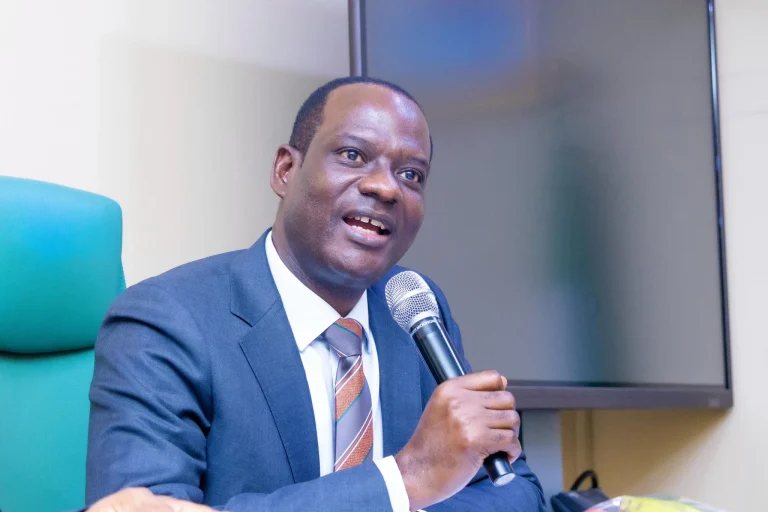
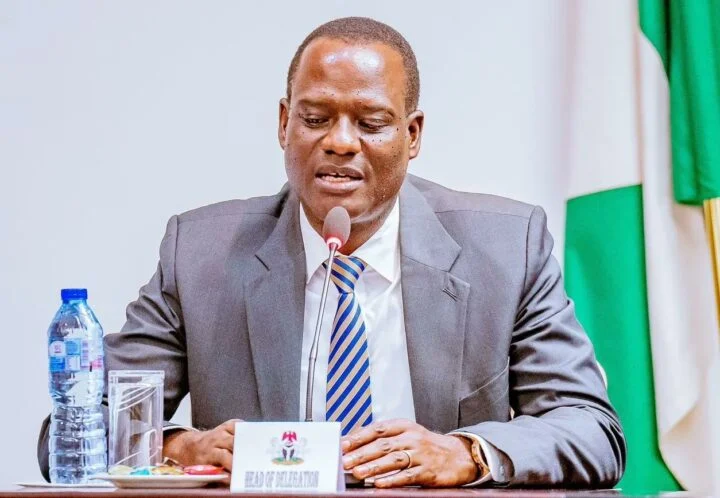
The Chairman of the Presidential Committee on Fiscal Policy and Tax Reforms, Taiwo Oyedele, has identified mistrust of government, weak tax compliance culture and poor public understanding of fiscal exchange as the major obstacles confronting the implementation of Nigeria鈥檚 tax reforms.
Oyedele made this known in Abuja on Tuesday while speaking at a governance colloquium organised to mark the 50th birthday of the Special Adviser to the President on Policy and Coordination, Hajiya Hadiza Bala-Usman.
According to him, resistance from entrenched interests and widespread misinformation have made the reform process particularly challenging in a system long resistant to change.
鈥淩eforms are hard, and tax reforms are even harder. You need courage. I receive threats simply for trying to fix a broken system,鈥� Oyedele said.
He noted that deep-seated mistrust of government has fueled public opposition, with many Nigerians wrongly believing that the reforms introduce new taxes rather than streamline existing ones.
鈥淭here is suddenly a national awareness, and people say the government has brought taxes all over the place, when in fact what we are doing is reducing the taxes they have been paying and harmonising them,鈥� he explained.
Oyedele added that Nigeria鈥檚 tax revenue remains significantly lower than that of peer countries, making comprehensive reforms inevitable to ensure long-term fiscal sustainability.
He urged Nigerians who support the reforms to speak up, warning that silence allows critics to dominate public discourse and spread misinformation
Describing trust as the most critical challenge, Oyedele said the reforms also carry political, economic and reputational risks.
鈥淵ou need the courage to push through. You need the courage to take risks, because it鈥檚 very risky,鈥� he said.
Despite facing online abuse and personal threats, Oyedele defended the reform strategy, describing previous approaches as short-term fixes that failed to address systemic weaknesses.
鈥淲hat we have been doing all my adult life with the tax system was a pain reliever. It hasn鈥檛 taken us far. Now we鈥檙e doing the surgery. It will come with pain, but it is the only right thing to do,鈥� the chairman said.
He expressed optimism about the country鈥檚 reform trajectory, describing the current momentum as unprecedented. Oyedele urged Nigerians to remain committed to achieving long-term fiscal stability.
The Federal Government began enforcing the new tax regime on January 1, 2026, following the enactment of four major laws: the Nigeria Tax Act 2025, the Nigeria Tax Administration Act 2025, the Nigeria Revenue Service Establishment Act 2025, and the Joint Revenue Board Establishment Act 2025.