






Akinwande Soji-Ojo
The Independent National Electoral Commission (INEC) has said its decision to withdraw recognition of factions within the African Democratic Congress (ADC) was guided strictly by a recent Court of Appeal judgement and the need to uphold the rule of law.
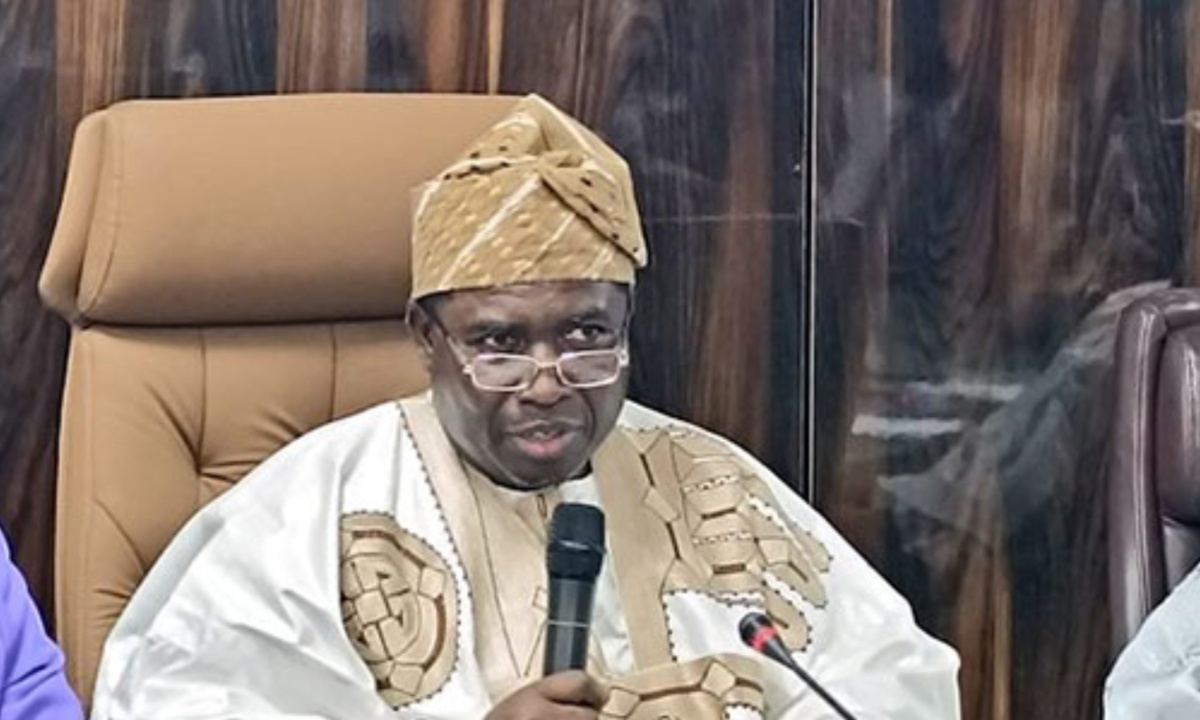
In a statement issued on Thursday, Adedayo Oketola, Chief Press Secretary to INEC Chairman, Prof. Mahmood Yakubu, said the commission acted to avoid situations such as those in Zamfara and Plateau States, where elected officials were removed by tribunals for disobeying court orders.
INEC鈥檚 clarification follows criticism from political actors who accused the commission of partisanship and called for the removal of its chairman over the handling of the ADC leadership dispute.
The electoral body had on Wednesday announced that it would no longer recognise either the David Mark-led faction or that of Nafiu Bala Gombe, in compliance with the Court of Appeal鈥檚 directive to maintain the status quo ante bellum鈥攖he state of affairs before the suit was filed at the Federal High Court.
Earlier on Thursday, Bolaji Abdullahi, National Publicity Secretary of the Mark-led faction, said the party would proceed with its congresses and convention despite INEC鈥檚 stance.
However, Oketola said the appellate court鈥檚 preservatory orders, alongside ongoing proceedings at the Federal High Court, restrain the commission from recognising or engaging with any faction of the party.
鈥淚n addition, the commission did not want to disobey the preservatory order of the court not to take any step that would render the processes already filed at the Federal High Court nugatory.
鈥淧roceeding to monitor the congress and convention of the David Mark-led ADC would amount to disobedience of that order, since the reliefs sought include restraining INEC from monitoring any meeting, congress, or convention of the party.
鈥淚t was only on September 9, 2025, that INEC accepted and approved David Mark鈥檚 executive committee鈥攕even days after the matter had already been filed at the Federal High Court.
鈥淭he order to maintain status quo ante bellum means reverting to the position of the parties before the dispute began. INEC must either obey the Court of Appeal鈥檚 order fully or refuse to obey it.
鈥淪ection 287(2) of the 1999 Constitution mandates every authority in Nigeria not only to obey but also to enforce the judgements of the Court of Appeal,” he said.
Reacting to calls for the removal of the INEC chairman, Oketola described such demands as unconstitutional and politically motivated.
鈥淭he chairman does not hold office at the pleasure of any political party or interest group. Any call for his removal outside the established constitutional process is a direct assault on the independence of the nation鈥檚 electoral umpire,鈥� he said.
He added that INEC鈥檚 role in the ADC crisis is strictly regulatory and legal, stressing that the commission 鈥渨ill not be drawn into internal party disputes.鈥�
鈥榁oter revalidation not linked to politics鈥�
Oketola also dismissed concerns over the planned nationwide voter revalidation exercise, describing attempts to politicise the process as unfounded.
According to him, the exercise predates the current INEC leadership and is aimed at strengthening the integrity of the National Register of Voters, which contains data collected between 2011 and 2024.
鈥淭he proposed nationwide voter revalidation exercise is a professional necessity to enhance the credibility of the voter register.
鈥淚t is an administrative audit, not a fresh registration. It is not targeted at any region, party, or demographic,鈥� he said.
He explained that the exercise would be conducted in phases nationwide, with digital options to ease participation, assuring stakeholders of transparency.
Oketola added that INEC remains focused on preparations for the Ekiti and Osun off-cycle governorship elections and 鈥渨ill not be distracted by unfounded allegations of collusion or bias.鈥�