






There can be no better time than now for the take-off of the National Single Window initiative, aimed at eliminating bureaucratic delays in export and import processes to boost trade efficiency and enhance economic growth.
This was the consensus of stakeholders and industry experts at the opening of a three-day workshop on the presidential initiative called National Single Window project launched by President Bola Tinubu in April, 2024.
The stakeholders, including the Minister of State for Finance,聽Dr Doris Uzoka-Anite; Minister of Marine and Blue Economy, Alhaji Gboyega Oyetola; Minister of Industry, Trade and Investment, Dr Jumoke Oduwole; Chairman, Federal Inland Revenue Service, Dr Zacch Adedeji; Managing Director, Nigerian Ports Authority (NPA), Dr Abubakar Dantsoho among others are optimistic about the potentiality of the project fast-tracking the realisation of $1 trillion economy.
Speaking at the National Single Window Forum at Marriott Hotel, Ikeja, Lagos, on Tuesday, Oyetola said the initiative would significantly reduce the cost of doing business in the country and eliminate sharp practices in trade processes.
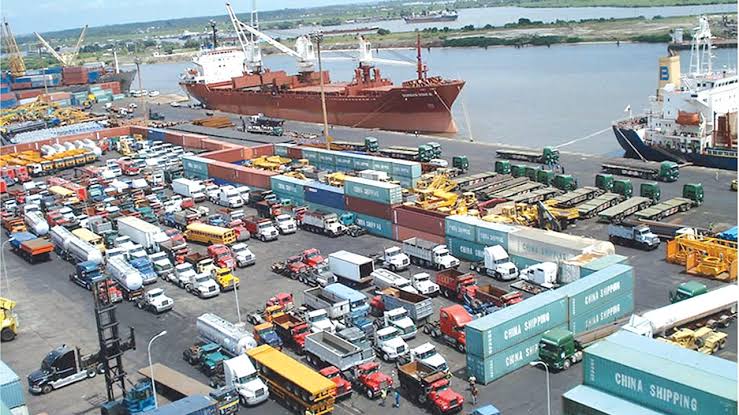
鈥淎s highlighted by the World Bank, the cost of doing business at Nigerian ports can be up to 40 per cent higher than in other West African countries due to delays and administrative bottlenecks, leading to an estimated annual revenue loss of 鈧�2.5 trillion within the business community.
鈥淗owever, the implementation of the Single Window system can enhance efficiency, potentially reducing these costs by at least 25 per cent. By streamlining operations, improving transparency, and minimising delays, the system not only drives cost savings but also strengthens overall trade facilitation.
鈥淭he cumulative impact across all areas鈥攊ncluding reduced costs, enhanced efficiency, and greater transparency鈥攗ltimately contributes to the overall ease of doing business.
鈥淲e are advancing multimodal connectivity by improving road, rail, and inland waterway links to and from the ports. These improvements aim to reduce transportation costs, enhance logistics, and boost trade.
鈥淔or example, the ministry in collaboration with the Lagos State Government, cleared the age-long Apapa 鈥� Tincan 鈥� Mile 2 traffic for landside operations and provided tugboats, mooring boats, pilot cutters, bollards, and fenders across all port locations for effective seaside operations.
鈥淲e maximised crane productivity and ensured a reduced transit time for vessels and trucks. These led to a reduction in both the vessel and truck turn-around times. The vessel turn-around-time went down from an average of seven days to an average of five days, while truck turn-around-time went from an average of 10 days to a few hours. But we are not resting on our oars, as our ultimate goal is to make Nigeria the hub of maritime in West Africa,鈥� Oyetola said.
In her own address, Minister of Industry, Trade and Investment, Oduwole, stressed that the establishment of a National Single Window system for trade is not merely a policy objective, but 鈥渁 transformative reform that will fundamentally redefine the way trade is conducted across our borders.鈥�
鈥淥ur single window project will provide a centralised digital platform for traders to submit, process, and access trade-related documentation- eliminating corruption through improved transparency, reducing administrative burdens, and significantly enhancing the ease of doing business in Nigeria.
鈥淢any of you will recall that in my previous capacities in the presidency, I have been part and parcel of the NSW project since 2016. The time for delivery is now!
鈥淯nder President Tinubu鈥檚 eight-point agenda, economic growth and job creation are key priorities. The NSW will play a significant role in achieving these goals,鈥� she said.
Also speaking,聽Minister of State for Finance,聽Uzoka-Anite, stressed that the initiative would not only enhance ease of doing business in the country, but also attract foreign direct investment.
鈥淚n Indonesia their NSW programme was launched in 2007 to simplify trade, and since then they have achieved significant reduced clearance time. The average time for cargo clearance at ports dropped from seven days to just three days, traders saved millions of dollars annually through reduced administrative costs and delays.
鈥淚n 2014 Vietnam introduced its NSW as a part of broader trade facilitation reforms. The programme enhanced trade efficiency by streamlining interaction with over 20 government agencies, reducing paperwork, and manual processes.
鈥淭his in turn led to improved compliance and led to increased customs revenue. This ease of trading facilitated by their NSW helped Vietnam increase exports, particularly in manufacturing and agriculture. Such a similar impact would be significant for Nigeria as we continue to build our foreign reserves and strengthen the Naira.
鈥淗ere in Africa, Rwanda established its NSW in 2012, to promote regional and international trade which has since resulted in speedier border crossing times which decreased by 50 per cent, thus boosting the movement of goods in Rwanda.
鈥淭he NSW reforms contributed to Rwanda becoming one of the fastest-growing economies in Africa and improved Rwanda鈥檚 trade within the East African Community (EAC),鈥� the minister said.
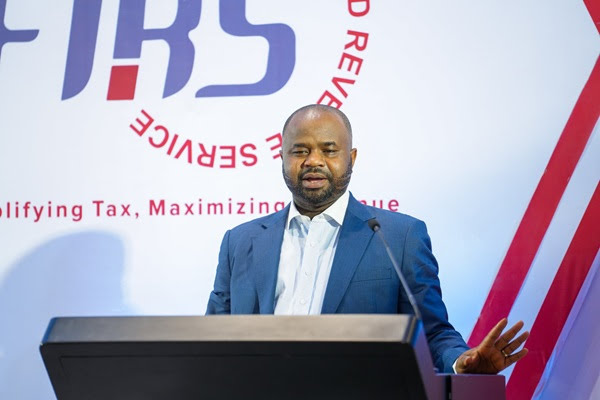
According to the FIRS chairman, Adedeji, the project would contribute hugely to the realisation of a $1 trillion economy by 2031 as envisioned by President Tinubu.
鈥淭he National Single Window project represents a pivotal stride in Nigeria’s journey towards economic transformation. For too long, Nigeria鈥檚 trade facilitation processes have been hampered by a complex web of bureaucratic hurdles, characterised by cumbersome and inefficient procedures, leading to significant delays at the ports, increased costs of doing business, and a substantial erosion of Nigeria’s competitiveness in the global marketplace.
鈥淭his has resulted in substantial revenue losses to the country, reduction in foreign direct investments, and hindered the full realisation of our nation’s economic potential.
鈥淚 believe by establishing an integrated platform that seamlessly connects all the critical actors- seaports, airports, free trade zones, government agencies, financial institutions, and the private sector 鈥� we are set to revolutionise the way we conduct international trade.
鈥淣ow is the moment for Nigeria to establish itself as a leading trade hub on the African continent by implementing a robust and efficient National Single Window system,鈥� Adedeji said.
Comptroller General of Nigeria Customs Service, Bashir Adeniyi, who was represented, said the concept was not new to Nigeria as similar efforts had been made in the past. He suggested ways to overcome the challenge that stunted similar efforts in the past.
鈥淥ver the years, we have witnessed various efforts aimed at integrating government agencies, streamlining processes, and fostering efficiency in trade facilitation.
鈥淗owever, these attempts have been fraught with challenges, ranging from fragmented technological systems and institutional silos to misaligned stakeholder expectations and inadequate physical and technological infrastructure.
鈥淲hile these obstacles have slowed our progress, they have also provided invaluable lessons that shape the roadmap for future success.
鈥淭o succeed, we must embrace a singular purpose backed by unwavering governmental resolve, ensuring that the Single Window is not perceived as the sole private sector, financial institutions, and regulatory agencies.
鈥淭he centrality of Customs in this ecosystem is undeniable, but success requires a symbiotic relationship where each stakeholder plays its part with precision and commitment,鈥� he said.
Managing Director of NPA, Dr Dantsoho, emphasised the need for all stakeholders to work in unity to achieve the goal of the project.
He referenced the one-stop shop initiative as demonstrating the possibility for government agencies to collaborate and work in harmony with zero tolerance for delays in service delivery and timely interventions without bottle necks.
Speaking earlier, the Head of NSW Secretariat, Mr. Tola Fakolade, said the project will simplify the ways things are being done, adding that NSW was first implemented in Singapore and also used in Djibouti, Kenya and others, where it recorded successes.
Fakolade said the first phase of the project would start this year with training and testing, saying his office expects cooperation from all stakeholders.
e-signed
Dare Adekanmbi
Special Adviser-Media
to the FIRS chairman