





By Efa Sunday
The Federal Government has directed polytechnics across the country to begin phasing out non-technical programmes that fall outside their statutory mandate as part of efforts to reposition technical education and equip graduates with industry-relevant skills.
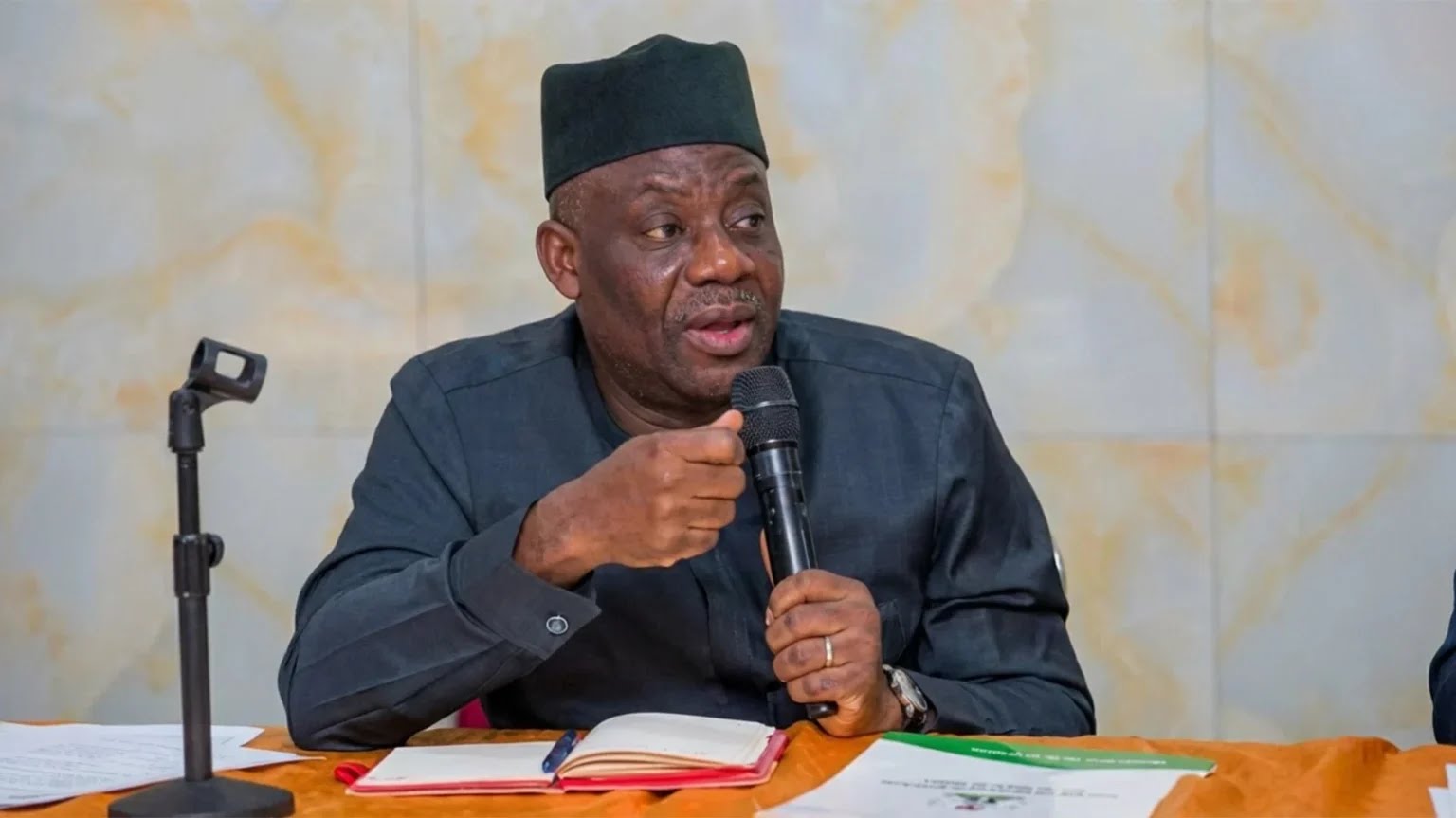
The directive was issued on Thursday in Abuja by the Minister of Education, Dr. Tunji Alausa, during the inauguration of the Governing Board of the National Board for Technical Education (NBTE).
Speaking at the event, Alausa urged institutions under the supervision of the NBTE to refocus on technical disciplines such as engineering, applied sciences, technology, innovation and other practical fields that meet the needs of modern industries.
He stressed that technical and vocational education should no longer be seen as a second-choice option for students who fail to secure university admission.
According to the minister, Nigeria needs a strong technical workforce to drive industrial growth, boost productivity and support sustainable economic development.
“Nigeria cannot achieve lasting industrial progress without trained technicians, technologists, artisans, machine operators, fabricators, automation experts and other skilled professionals,” Alausa said.
He noted that the Federal Government has continued to implement reforms aimed at aligning education with industry needs while ensuring that students acquire practical skills that enhance employability, entrepreneurship and global competitiveness.
Alausa said the inauguration of the new NBTE Governing Board forms part of the implementation of President Bola Tinubu’s Renewed Hope Agenda, which places education and human capital development at the centre of the government’s economic growth strategy.
He added that the administration is transforming Nigeria’s education system by shifting the focus from paper qualifications to practical competence.
“We are moving away from placing too much value on certificates alone. Our goal is to ensure that graduates leave school with practical knowledge, technical competence and innovative skills that can contribute meaningfully to national development,” he said.
The minister congratulated the chairman and members of the board on their appointments, describing them as professionals whose experience and integrity would strengthen technical education in the country.
He expressed confidence that the board would provide the leadership required to deepen ongoing reforms, strengthen the NBTE and support the government’s plan to build a globally competitive workforce capable of driving industrial expansion and innovation.
Alausa also outlined the board’s responsibilities, urging members to provide strategic leadership, policy direction and effective oversight while allowing the Executive Secretary and the agency’s management team to handle day-to-day administration.
The minister further directed the board to accelerate the implementation of the Recognition of Prior Learning programme in collaboration with the Industrial Training Fund (ITF) and other stakeholders.
He explained that the programme would formally assess and certify the competencies of experienced artisans under the National Skills Qualification Framework.
“Formal certification will improve employment opportunities for skilled workers, expand their access to financial support, open opportunities for government contracts and make it easier for them to work across ECOWAS member states,” he said.
On curriculum reform, Alausa instructed the board to adopt Outcome-Based Education to ensure academic programmes remain aligned with current industry requirements.
He said polytechnic curricula should reflect emerging industrial trends by incorporating digital technology, automation, artificial intelligence, green technology, advanced manufacturing systems and other future-focused disciplines.
The minister also charged the board to ensure prudent management of public resources, stressing that investments in capital projects, intervention funds, research initiatives and institutional development must deliver measurable improvements in skills acquisition, institutional performance, youth employment and national productivity.