





Akinwande Soji-Ojo
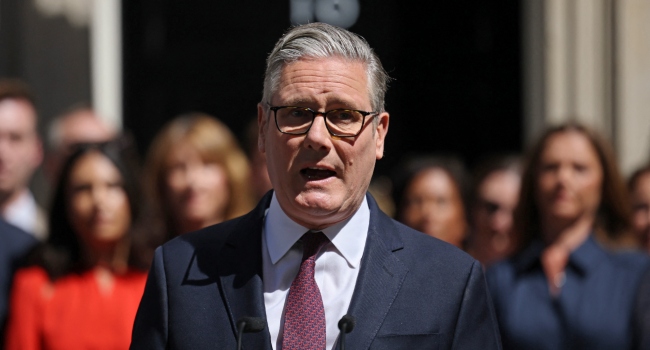
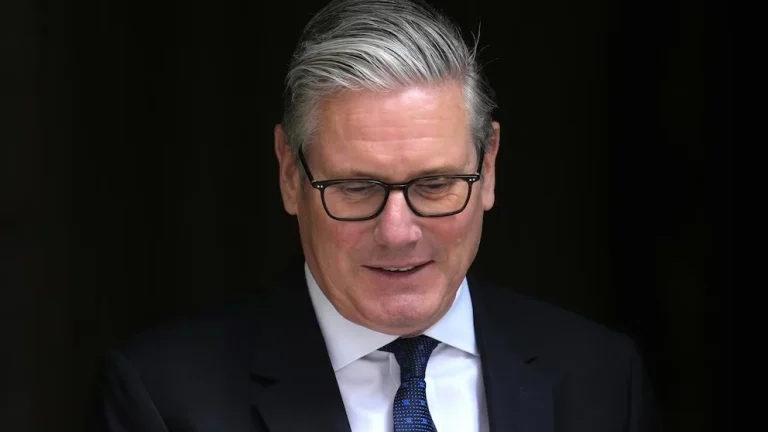
Keir Starmer announced on Monday that he would step down as the United Kingdom’s prime minister and leader of the Labour Party, bringing months of political uncertainty to an end and paving the way for a contest to choose his successor.
The resignation follows growing pressure on Starmer after Labour suffered heavy losses in local elections in May and faced an increasingly vocal rebellion from lawmakers within the party over his leadership and policy direction.
The announcement comes less than two years after Starmer led Labour to one of its biggest parliamentary victories in the 2024 general election.
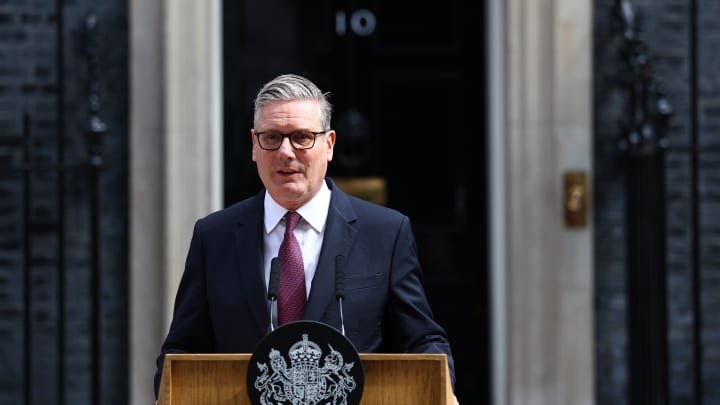
Speaking outside 10 Downing Street shortly after 9:30 a.m. in London, Starmer said he would remain in office until the Labour Party completes the process of electing a new leader to ensure an orderly transition of power.
“I will remain in office until the leadership contest is concluded to ensure an orderly handover of power,” Starmer said.
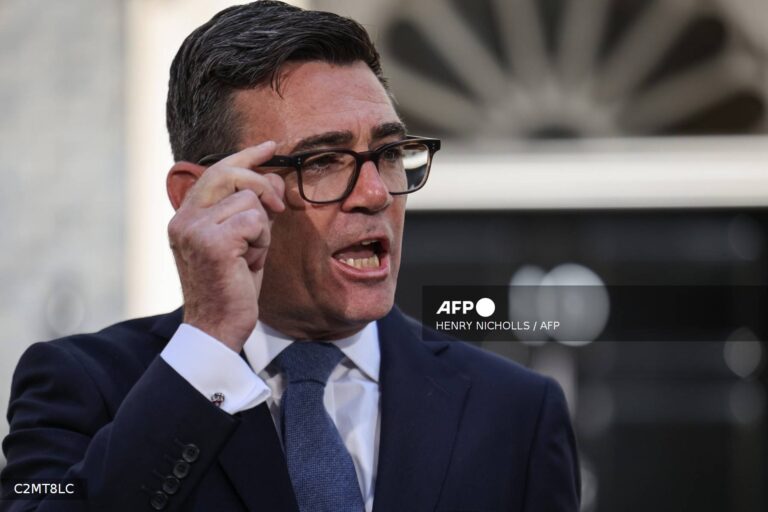
His resignation comes just days after Andy Burnham secured a decisive victory in the Makerfield by-election, a result that positioned him to challenge for the Labour leadership and potentially become Britain’s next prime minister.
Starmer and Finance Minister, Rachel Reeves, had faced growing criticism from within Labour over the government’s fiscal policies.
Internal tensions were further heightened by welfare reforms and the appointment of Peter Mandelson as the UK’s ambassador to the United States because of his past association with the late convicted sex offender, Jeffrey Epstein.
An Ipsos poll published on Friday found that 52 per cent of Britons believe Starmer should resign as prime minister, up five percentage points from May, while 35 per cent said he should remain in office.
Starmer’s departure means Britain is set to have its seventh prime minister in just 10 years, underscoring a decade of political instability at the top of government.