





By Omolola Afolabi
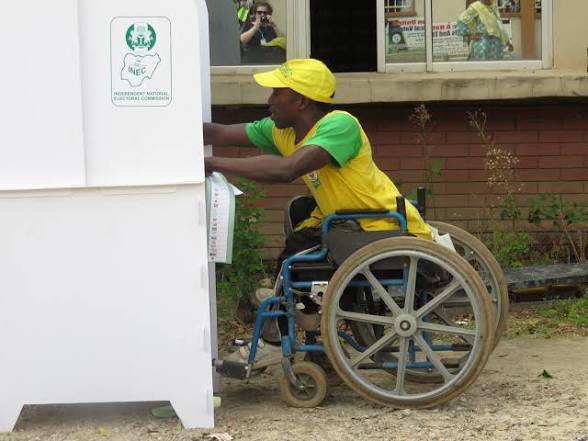
An analysis of Nigeria鈥檚 2026 national budget by civic technology organisation, BudgIT, has raised concerns over the limited funding for disability-inclusive interventions, despite persons with disabilities (PWDs) accounting for an estimated 15 per cent of the country鈥檚 population.
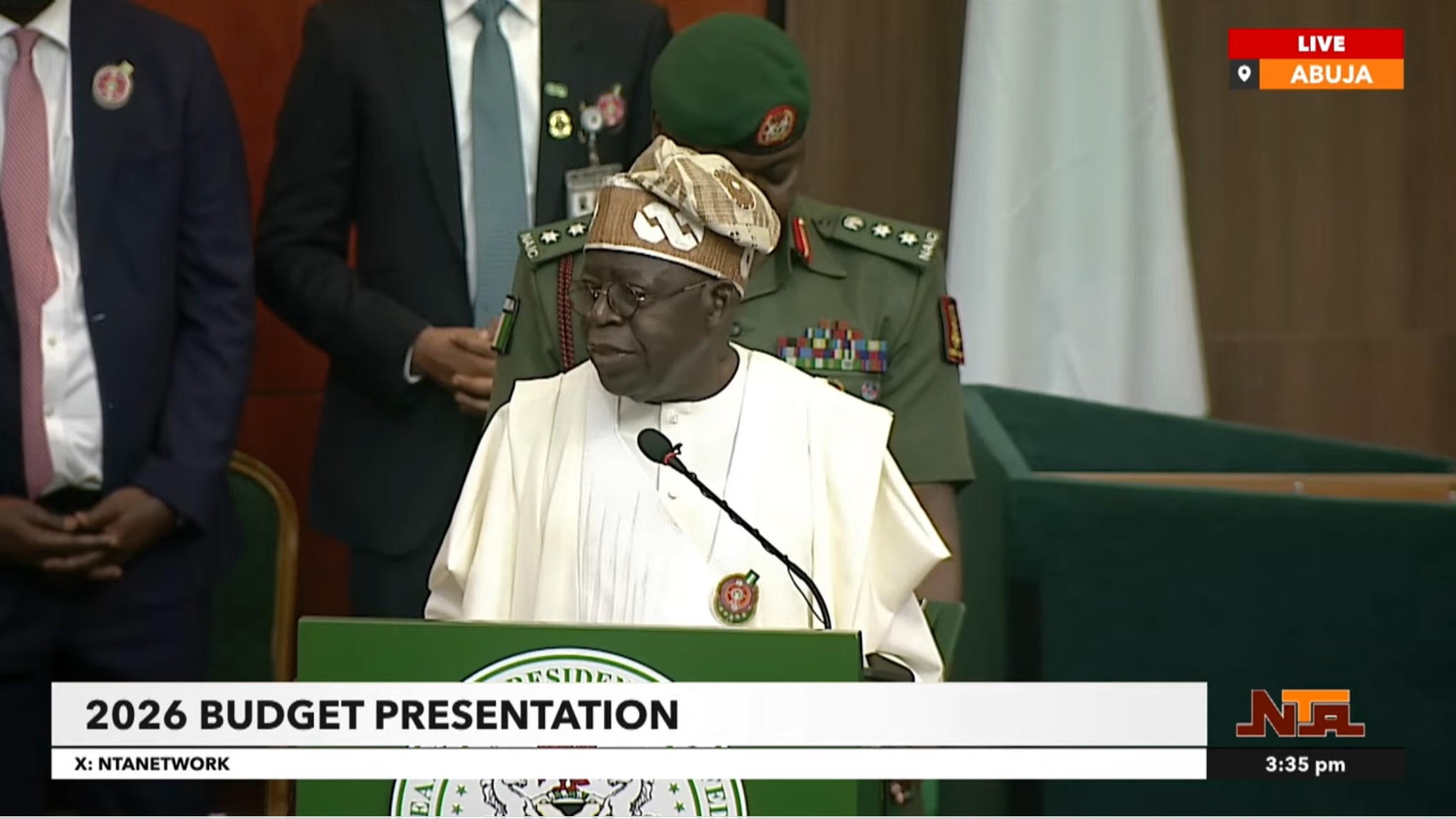
The analysis, titled 鈥淲ho Gets a Seat at the Table?鈥�, found that capital expenditure earmarked for disability-inclusive interventions stood at 鈧�26.17 billion, representing just 0.08 per cent of total capital spending.
According to the report, the allocation highlights the gap between legislative commitments to inclusion and the funding provided to support persons with disabilities. It also places PWDs at a disadvantage compared with other demographic groups in the country鈥檚 fiscal priorities.
The analysis showed that allocations for youth programmes were nearly 25 times higher than those for disability-inclusive interventions, while funding for women and girls exceeded the allocation for PWDs by more than 21 times.
The limited funding comes amid concerns over the accessibility of public infrastructure across the country, with reports from civil society organisations and the National Commission for Persons with Disabilities indicating that only two per cent of buildings nationwide are fully accessible.
Similarly, approximately 98.5 per cent of public infrastructure reportedly lacks basic accessibility features, including ramps, tactile paving and functioning elevators.
Disability rights advocates have warned that inadequate funding for inclusive infrastructure and social programmes could further limit access to essential public services, education and economic opportunities for millions of Nigerians with disabilities.
They argue that dedicated budgetary provisions are needed to retrofit existing public buildings, improve accessibility and expand inclusive social programmes to ensure that persons with disabilities can participate fully in national development.
BudgIT, in its campaign, said the budget figures raised fundamental questions about the government鈥檚 spending priorities and stressed the need for a fiscal framework that adequately reflects the needs of all citizens, particularly vulnerable and marginalised groups.