Akinwande Soji-Ojo
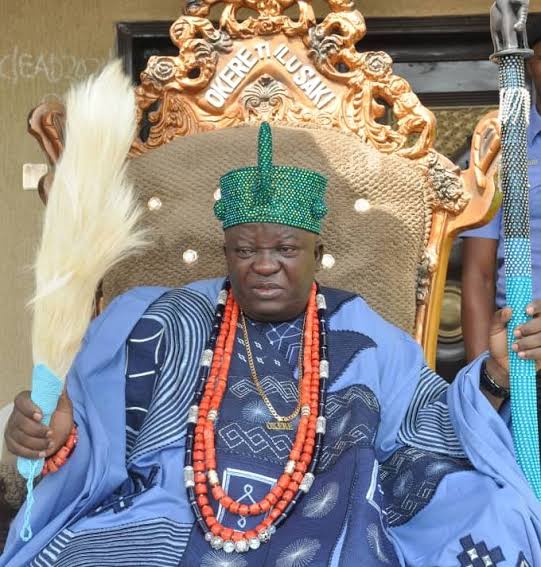
Prominent traditional leaders and stakeholders in Ibadan land have strongly criticised the Okere of Saki, Oba Khalid Olabisi, over his recent comments regarding the amended Oyo State Council of Obas and Chiefs bill, calling his statements misleading and historically inaccurate
The backlash comes from the Mogajis of Ibadan land, tmCentral Council of Ibadan Indigenes (CCII), Ibadan Compound Peace Initiative (ICPI), Baales, and other respected figures, who accused the Okere of attempting to distort the historical role of Ibadan in the traditional council structure of the state.
Oba Olabisi had during Beere Festival celebrations in Saki on Friday, objected to a provision in the Oyo State Council of Obas and Chiefs (Further Amendment) Bill 2025, which listed members of the Olubadan- in-Council as members of the Council. He described this as an aberration in culture and tradition, emphasising that it would undermine the dignity and authority of other High Chiefs in other zones.
Okere also expressed concerns about the marginalisation of Council of Obas and Chiefs in Oke Ogun, stating that they are being relegated to the background and excluded from key decision-making processes. The monarch emphasised that Ibadan high chiefs who are members of the Olubadan-in-Council are not superior to Oke Ogun high chiefs.
“There is a need for thorough consultations and stakeholder engagement in the legislative process which underscores the importance of preserving the cultural heritage and traditions of the various zones in Oyo State,� the monarch had said.
However, a statement jointly issued by the President of Ibadan Mogajis, Mogaji Asimiyu Ariori, and ICPI Coordinator, Mogaji Nurudeen Akinade, described the monarch’s claims as revisionist and disrespectful to the well-documented legacy of Ibadan’s leadership in Oyo State’s traditional hierarchy.
They emphasised that Ibadan has historically played a significant and foundational role in the traditional affairs of the state, with its chiefs not only representing Ibadan but also serving as chairmen of their respective local government traditional councils.
The statement clarified that the chiefs referred to in the amended bill were conferred with the title of Royal Majesties through formal approval by the state government and in the presence of other prominent Yoruba traditional rulers, including representatives of the Ooni of Ife.
“The process to rise through Ibadan’s traditional ranks—from Mogaji to Ekarun Olubadan, Otun, and Balogun—spans decades and involves significant leadership experience, which cannot be compared to the Okere’s relatively recent ascension to the throne,â€� the statement noted.
The stakeholders warned that any further attempt to rewrite or diminish Ibadan’s contributions to the state’s traditional institution would face strong opposition.
“When it comes to the history and structure of the traditional institution in Oyo State, the Okere remains a minor. He should tread carefully and respect the hierarchy established over generations,” it added.