






By Oyindamola Davies
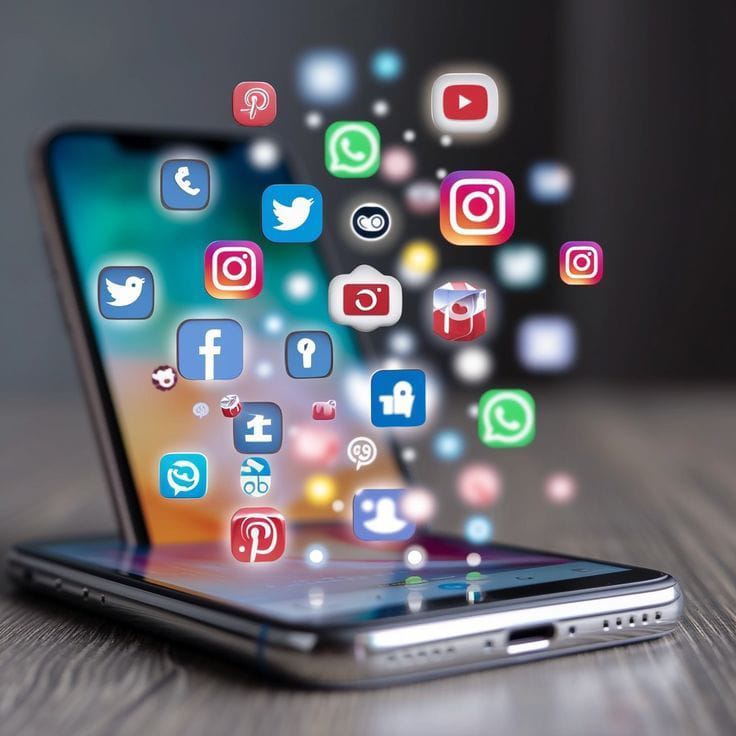
Nigerians are spending increasingly more time on social media platforms such as TikTok, Instagram and Facebook, with many relying on them as a primary coping mechanism for stress and anxiety due to limited access to mental health services.
According to DataReportal’s Digital 2025 Nigeria Report, the country had 38.7 million social media user identities as of 2025, highlighting the widespread use of digital platforms among Nigerians.
The report provides context for growing concerns about the mental health implications of excessive social media use. For many users, spending more time online has become a deliberate way to escape the mounting pressures of daily life.
The trend is particularly noticeable across Nigeria’s major cities. Many people scroll through social media during work breaks, before going to bed and immediately after waking up. They use these platforms to delay confronting personal problems, numb stress and connect with others experiencing similar struggles. As a result, social media has become an emotional support system for many who lack access to professional mental health care.
Dr Yewande Oshodi, a Professor of Psychiatry at the Lagos University Teaching Hospital (LUTH), noted that prolonged or excessive use of social media can have harmful effects, particularly on young people.
“Children and adolescents can be susceptible to the harmful effects of prolonged or excessive use of social media, including loneliness, anxiety, depression and, in some instances, suicidality,” she said.
Nigeria’s mental health infrastructure is unable to meet the growing demand for care. The country has only a small number of psychiatrists serving a population of more than 220 million people.
Therapy sessions, which reportedly cost between 鈧�10,000 and 鈧�50,000 per session, are unaffordable for many Nigerians, while community-based mental health support services remain virtually non-existent.
In this vacuum, social media has assumed a role it was never designed to play. Many people now use it simultaneously as therapy, a support community, an escape and a coping mechanism.
Skit makers and content creators have inadvertently become sources of emotional relief, with their comedy and other content reaching millions of stressed and anxious Nigerians every day.
Mental health experts say there is an urgent need for greater investment in mental health infrastructure, community counselling services and workplace mental health support.
Until these systems are strengthened, many Nigerians will continue turning to their screens for temporary relief through endless scrolling rather than receiving the professional care they need.