







Akinwande Soji-Ojo
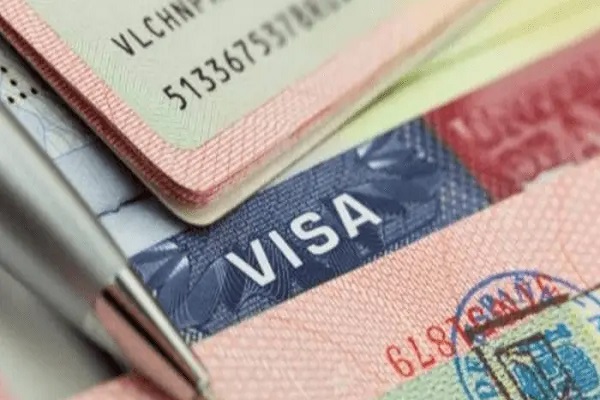
The United States has added Nigeria to a list of countries facing partial travel restrictions, citing security challenges and visa overstay concerns.
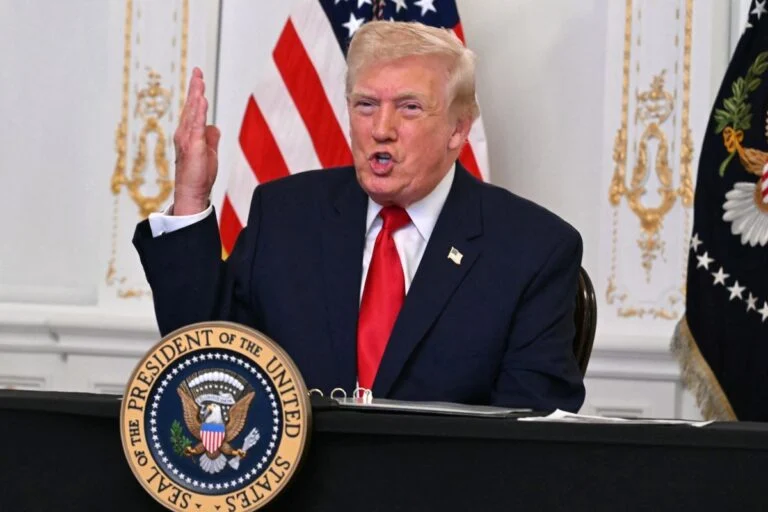
The White House announced the decision in a presidential proclamation issued on Tuesday, updating countries subject to full and partial entry limitations into the US.
Nigeria was listed among 15 countries, mostly in Africa, placed under partial travel suspension. Others include Angola, Antigua and Barbuda, Benin Republic, C么te d鈥橧voire, Dominica, Gabon, The Gambia, Malawi, Mauritania, Senegal, Tanzania, Tonga, Zambia and Zimbabwe.
Justifying Nigeria鈥檚 inclusion, the White House said: 鈥淩adical Islamic terrorist groups such as Boko Haram and the Islamic State operate freely in certain parts of Nigeria, which creates substantial screening and vetting difficulties.鈥�
It also cited visa compliance issues, noting that: 鈥淎ccording to the Overstay Report, Nigeria had a B-1/B-2 visa overstay rate of 5.56 percent and an F, M, and J visa overstay rate of 11.90 percent.鈥�
Meanwhile, Burkina Faso, Mali and Niger Republic were among five countries newly subjected to full travel restrictions. The White House said the decision was based on the activities of 鈥渢errorist organisations鈥� operating within their borders. South Sudan and Syria were also added to the full restriction list.
Existing full travel bans on nationals of Afghanistan, Burma, Chad, Congo, Equatorial Guinea, Eritrea, Haiti, Iran, Libya, Somalia, Sudan and Yemen remain in force. Laos and Sierra Leone, previously under partial restrictions, have now been upgraded to full restrictions.
Defending the measures, the White House said: 鈥淚t is the President鈥檚 duty to take action to ensure that those seeking to enter our country will not harm the American people.鈥�
It added that the restrictions are necessary to prevent the entry of foreign nationals about whom the US lacks sufficient information to assess security risks, enforce immigration laws and meet counterterrorism objectives.
In June, President Donald Trump signed an executive order imposing a full travel ban on nationals of 12 countries, alongside heightened restrictions on seven others. Affected countries were given 60 days to meet specified US requirements. Nigeria was not included at the time.
However, concerns escalated following renewed allegations by some US lawmakers and secessionist groups of a 鈥淐hristian genocide鈥� in Nigeria.
In October, Trump redesignated Nigeria as a Country of Particular Concern (CPC), blaming radical Islamist groups for what he described as 鈥渕ass slaughter.鈥�
On Monday, US Congressman, Riley Moore, said Nigeria and the US were close to reaching an agreement on a 鈥渟trategic security framework鈥� to combat terrorism. Moore disclosed this after a 鈥渇act-finding mission鈥� to Nigeria, during which he met with the National Security Adviser, Nuhu Ribadu.
Moore had earlier introduced a resolution in the US House of Representatives 鈥渃ondemning the ongoing persecution of Christians in Nigeria and supporting Trump鈥檚 move to redesignate Nigeria a CPC.鈥�
Amid the diplomatic row, the US earlier this month announced new visa restrictions targeting Nigerians accused of violating religious freedom.
US Secretary of State, Marco Rubio, said the policy would apply to individuals who 鈥渒nowingly direct, authorise, fund, support, or carry out violations of religious freedom.鈥�
He added that the visa restrictions apply to Nigeria and other governments or individuals involved in religious persecution.
This is not the first visa-related standoff between both countries in 2025. In July, the US embassy reduced the validity period and entry allowance for most non-immigrant and non-diplomatic visas issued to Nigerians, limiting stays to three months with single entry.
While the US cited visa reciprocity concerns, some reports claimed that Nigeria鈥檚 refusal to accept asylum seekers from the US also played a role in the decision.
The reports further said US pushed for electronic applications for Nigeria鈥檚 five-year visa for Americans, as well as access to Nigeria鈥檚 criminal database to identify Nigerians in the US with criminal records for possible deportation.
On Monday, Nigeria鈥檚 Minister of Foreign Affairs, Yusuf Tuggar, met with the US Ambassador to Nigeria, Richard Mills. Although details of the meeting were not disclosed, the US embassy said Washington looked forward to continued engagement with Nigeria on issues of mutual concern.