




Akinwande Soji-Ojo
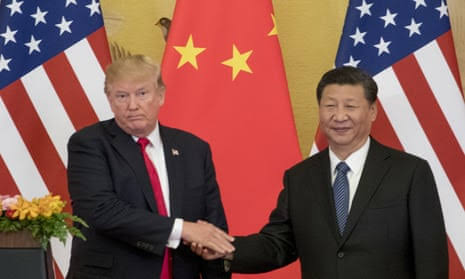
The United States and China have agreed to establish a new platform for more tariff negotiations after two days of talks in Geneva, Switzerland, aimed at lowering trade tensions.
China鈥檚 Vice Premier, He Lifeng, on Sunday, described the talks as candid and constructive, adding that the countries have agreed to a new 鈥渢rade consultation mechanism.鈥�
According to Lifeng, the meeting has laid the foundation and created the conditions for that effort.
鈥淭hanks to the concerted efforts from both sides, the meeting has been productive and has been a important first step taken by the two sides to properly resolve their differences through equal footed dialogue, and also for bridging differences and deepening cooperation,鈥� the Vice Premier said.
Neither Chinese authorities nor the United States Government provided further information on the terms of the agreement.
However, Politico reports that the outcome of the talks is not likely to jump-start bilateral trade in the near future.
Trade between the two countries was largely ground to a halt after the Donald Trump’s administration imposed 145 per cent tariffs on China, and Beijing responded with triple-digit duties of its own on the United States.
In a statement released on Sunday, Treasury Secretary, Scott Bessent, said: 鈥淲e will be giving details tomorrow, but I can tell you that the talks were productive.”
鈥淚鈥檓 happy to report that we made substantial progress between the United States and China in the very important trade talks,鈥� Bessent added.
U.S. Trade Representative, Jamieson Greer, who also attended the talks, echoed Bessent, saying it was 鈥渁 very constructive two days.鈥�
“We鈥檙e confident that the deal we struck with our Chinese partners will help us to work toward resolving that national emergency,鈥� Greer added.
China鈥檚 Lifeng also told reporters that the US and China would issue a joint statement reached during talks on Monday (today).
鈥淐hina and the United States will finalise the relevant details as soon as possible and will issue a joint statement reached at the talks on May 12,” he said
Despite the upbeat assessment, the outcome of a new mechanism for talks risks falling short of expectations from even people close to the White House, who were confident the meeting between senior officials would offer an off-ramp for tariff levels viewed as wholly unsustainable.
China鈥檚 international trade representative and a member of the Chinese delegation in Geneva, Li Chenggang, told reporter the Vice Premier will lead the consultation mechanism, which will include multiple 鈥渨orking teams鈥� for the Chinese side.
鈥淭he working teams from both sides are going to have regular and irregular communications relating to trade and economic issues. The timing as well as the venue or location for future communications will be determined by both sides,鈥� Li said.
Beijing struck a more combative tone earlier on Sunday by releasing comments by Chinese Assistant Foreign Minister, Miao Deyu, criticizing the Trump administration鈥檚 aggressive trade policies.
鈥淭he US uses tariffs as a weapon to exert maximum pressure and seek self-interest, embodying typical unilateralism, protectionism, and economic bullying.
鈥淭his approach sacrifices the legitimate interests of countries worldwide to serve US hegemonic interests,鈥� Miao said.
It is unclear if Miao鈥檚 comments and their timing are just official posturing or if they reflect Beijing鈥檚 view that the two days of talks haven鈥檛 addressed the key issues 鈥� the 145 per cent 鈥淟iberation Day鈥� tariffs that the Trump administration imposed on Chinese imports last month.
World Trade Organisation (WTO) Director-General, Ngozi Okonjo-Iweala, praised the progress from the countries in tariff negotiations in a statement on Sunday, and urged officials to continue negotiations.
鈥淚 am pleased with the positive outcome of the talks between the United States and China in Geneva. These discussions mark a significant step forward and, we hope, bode well for the future. Amid current global tensions, this progress is important not only for the US and China but also for the rest of the world, including the most vulnerable economies,” she said.
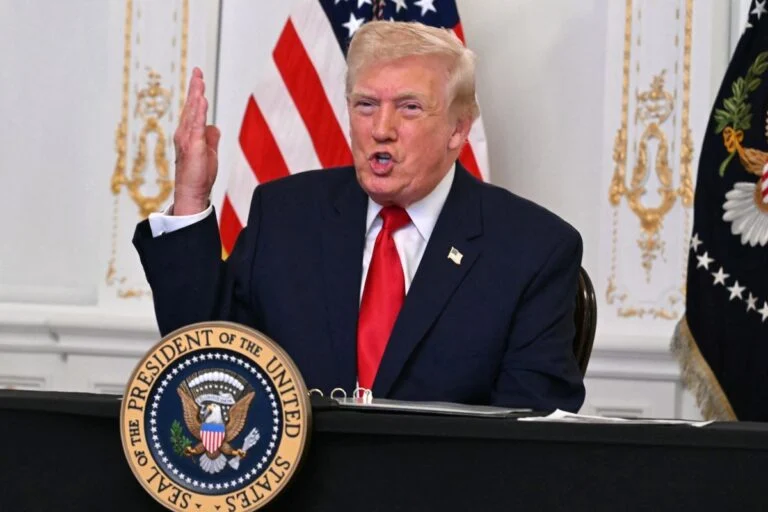
Trump hailed progress after the first day of talks in a聽post on his Truth social media platform聽on Saturday, but did not provide any details.
鈥淎 very good meeting today with China, in Switzerland. Many things discussed, much agreed to,鈥� Trump wrote.
Trump spent his first few months in office trying to compel Chinese leader, Xi Jinping, to the bargaining table. Unlike other countries targeted by US tariffs, China has not rushed to request consultations nor offered deals to cut its trade barriers 鈥� rather it has retaliated with higher tariffs of its own. That prompted an escalating tit-for-tat on trade that has made it prohibitively expensive for the two countries to buy each others鈥� goods.
Beijing has also sought to聽rally trading partners聽in Asia and Europe to form a common front against the Trump tariffs. Rather than engaging with Trump, Chinese state media has crafted a narrative of China being a defender of a rules-based global trading order centered on the World Trade Organisation and demonized the US as an enemy of that system.
A former deputy assistant US trade representative during the end of Trump鈥檚 first term and the beginning of former President Joe Biden鈥檚 term, Emily Kilcrease, said: 鈥淭he fact that both sides are showing some willingness to have a bit of give and take to kind of get into conversation 鈥攖hat鈥檚 positive. 鈥淚nevitably those tariff rates are going to have to come down, so the meeting鈥檚 about the packaging you put around that to make that politically viable on both sides.鈥�
Tariffs are just one front in the wider US-China trade war. Both countries have also sought to pile on the pressure by imposing聽non-tariff barriers聽aimed to hit each other鈥檚 critical exports.
The Chinese government over the past four months has halted or significantly curtailed direct imports of major US commodities including beef, poultry and liquefied gas through an array of bureaucratic blocks and tricky third-party sales deals.
The US responded by raising聽docking fees for Chinese cargo vessels聽at American ports.