





Akinwande Soji-Ojo
The United States Ambassador to Nigeria, Richard Mills, has said the recent visa restrictions announced by the US government are aimed at strengthening security procedures and are not intended to punish Nigerians.
Mills made the clarification on Sunday in Abuja at a news conference during the visit of a United States Congressional Delegation (CODEL) to Nigeria.
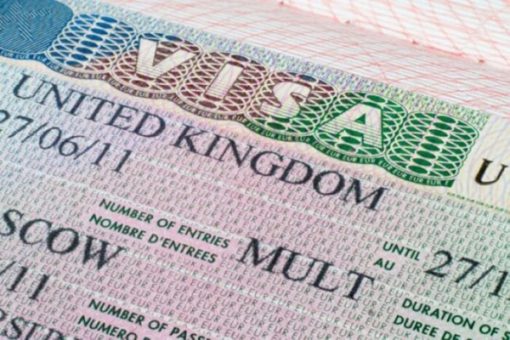
He explained that the presidential proclamation, scheduled to take effect from January 1, 2026, and affecting certain visa categories, is part of broader efforts to secure US borders and protect American communities.
鈥淭he focus of the visa review is on ensuring proper vetting and credible information in the visa process, not on penalising Nigerians,鈥� the ambassador said.
According to him, the proclamation clearly outlines the specific visa categories that may be affected and also provides exemptions for certain groups.
Mills said the exemptions include holders of official and diplomatic passports, as well as individuals travelling to the United States for religious works.
He urged visa applicants and members of the public to consult the official website of the US embassy for detailed information on the proclamation, the affected visa categories and the exemptions available.
The ambassador also advised those with specific enquiries to use the designated communication channels provided by the embassy for further guidance.
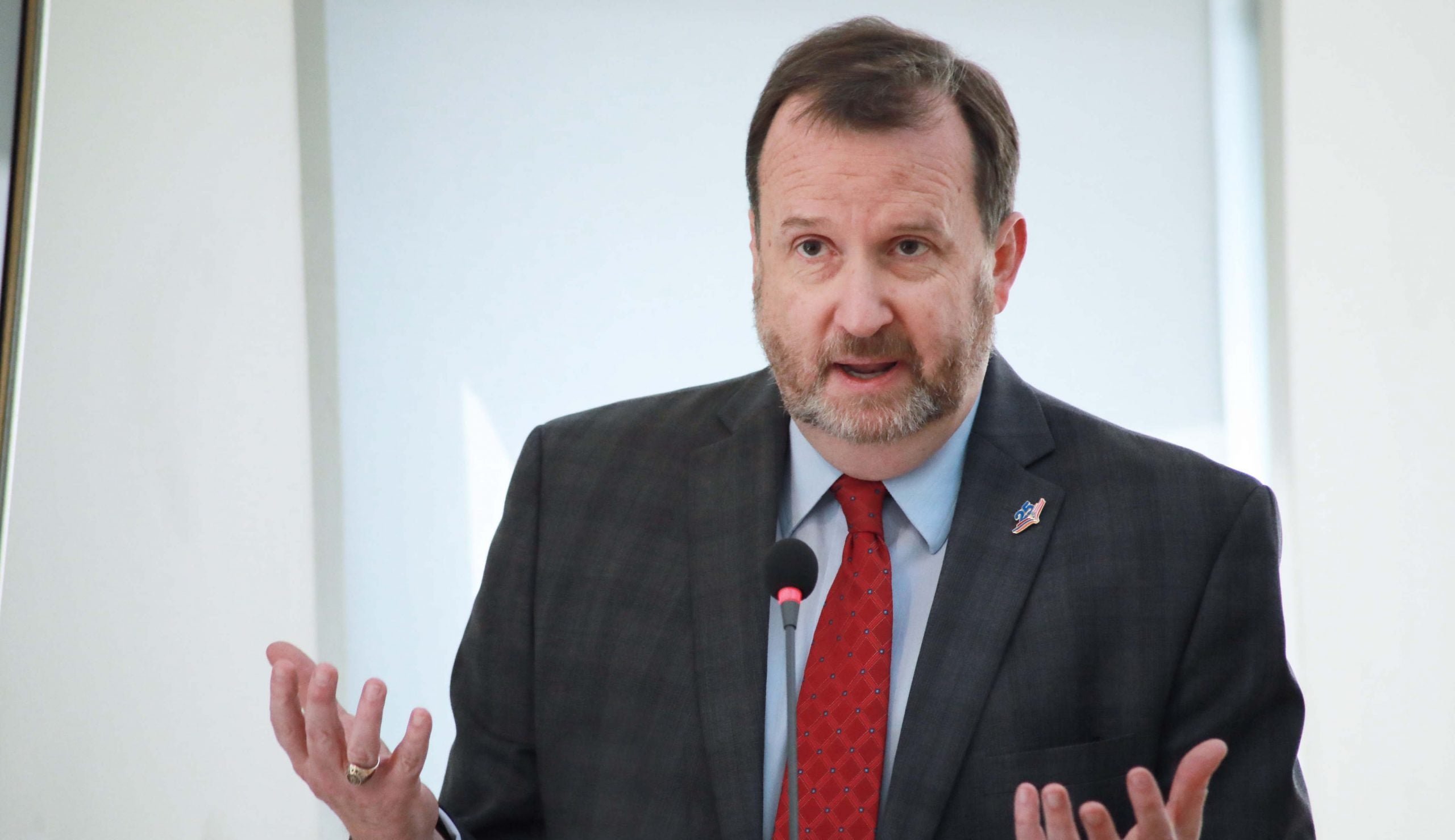
Also speaking at the event, the leader of the US Congressional Delegation, Representative Bill Huizenga, said visa reviews and restrictions were routine tools used to encourage compliance and cooperation, rather than punitive measures targeted at citizens.
鈥淰isa reviews are primarily focused on government systems and processes, not on the people,鈥� Huizenga said.
He added that similar measures are routinely applied in different parts of the world.
Huizenga reaffirmed US government’s commitment to maintaining strong people-to-people ties with Nigeria, even as it announced the visa reviews and restrictions.
He described the measures as part of wider engagement to strengthen bilateral cooperation while addressing shared security concerns.
President Donald Trump had on December 16, announced expanded entry restrictions on foreign nationals from 24 countries, citing 鈥渄emonstrated, persistent, and severe deficiencies in screening, vetting, and information-sharing鈥� that threaten US national security and public safety.