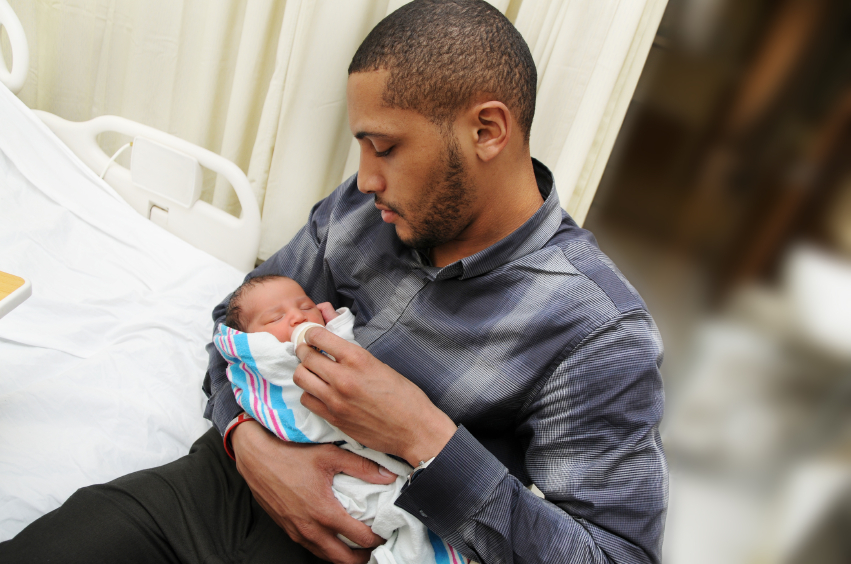
The United Nations Children鈥檚 Fund (UNICEF) has urged all countries to provide fathers with legally paid paternity leave to enable them have adequate time to spend with their newborn babies.
Almost two-thirds of the world鈥檚 children under the age of one live in countries where fathers are not legally entitled to any paid paternity leave, according to a new analysis by UNICEF.
There are also 92 countries which lack national policies ensuring that new fathers get adequate paid time off, to spend with their newborn babies, UNICEF said.
鈥淧ositive and meaningful interaction with mothers and fathers from the very beginning, helps to shape children鈥檚 brain growth and development for life, making them healthier and happier, and increasing their ability to learn.
鈥淚t鈥檚 all of our responsibility to enable them to fill this role,鈥� said UNICEF Executive Director Henrietta Fore.
Evidence suggests that when fathers bond with their infants, they are more likely to play an active role in their child鈥檚 development, the UN children鈥檚 agency said.
Research also suggests that when children positively interact with their fathers, they have better psychological health, self-esteem and long-term satisfaction in life, according to UNICEF.
UNICEF urged governments to implement national family-friendly policies that support early childhood development, including paid paternity and maternity leave, free pre-primary education, and paid breastfeeding breaks.
Earlier 2018, UNICEF modernised its approach to parental leave provisions, with up to 16 weeks of paid leave for paternity across all of its offices worldwide 鈥� the first UN agency to extend the benefit, beyond the standard four weeks.
Fore said: 鈥淲e cannot be 鈥楩or Every Child,鈥� if we are not also 鈥楩or Every Parent鈥�.
鈥淲e have to ask more of governments and more of employers if we鈥檙e going to give fathers and mothers the time and resources they need to nurture their children, particularly during the earliest years of a child鈥檚 life鈥�.
Around the world, momentum for family-friendly policies is growing, however, with nearly 90 million children living in countries without paid paternity leave, much work remains to be done, UNICEF said.
The new analysis forms part of UNICEF鈥檚 鈥楽uper Dads鈥� campaign, now in its second year, which aims to break down barriers and allow fathers to play an active role in their children鈥檚鈥� development.
The campaign is also recognising Father鈥檚 Day at this time, which is celebrated across more than 80 countries during June, and focuses on the importance of love, play, protection and good nutrition for the healthy development of young children鈥檚 brains.