Akinwande Soji-Ojo
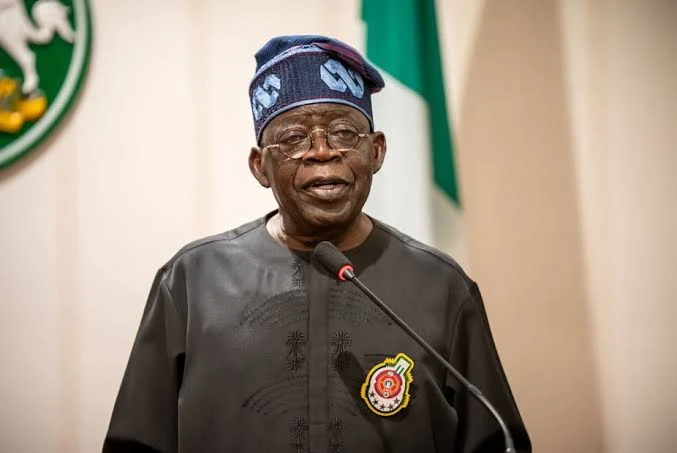
President Bola Tinubu and members of his family 鈥渆njoy unimpeded transit in the United States and cannot be arrested while attending the United Nations General Assembly,鈥� Nigeria鈥檚 Permanent Representative to the United Nations (UN), Ambassador Jimoh Ibrahim, has said.
Ibrahim, who is also the Chairman of the United Nations Committee on Budget and Administration, said the Nigerian Mission in New York had received 鈥渘o notification from the US government imposing any restriction on Tinubu鈥檚 movement during the UNGA.鈥�
The envoy disclosed this in a statement issued on Sunday by the Office of the Permanent Representative of Nigeria to the United Nations in New York.
Citing Section 11 of the 1947 UN-US Agreement, Ibrahim said representatives of member states and their families were protected from impediments to transit to and from the United Nations headquarters district.
He explained that the provision required US federal, state and local authorities to refrain from imposing restrictions on the movement of representatives of member states, their families, UN officials, specialised agencies and persons invited to the headquarters district on official business.
Ibrahim鈥檚 statement came amid an ongoing legal dispute in the United States over access to records relating to Tinubu.
Tinubu was expected to attend the 81st United Nations General Assembly (UNGA) in New York, where he is scheduled to address world leaders, following earlier confirmation by Nigeria鈥檚 Permanent Representative to the UN.
The Presidency had also dismissed suggestions that Tinubu was facing a criminal case in the US, describing an ongoing Freedom of Information Act (FOIA) lawsuit in Washington, DC, as a civil records-disclosure matter.
According to the presidenc, the case filed by American transparency activist, Aaron Greenspan, 鈥渋s not a criminal case against President Bola Ahmed Tinubu, nor has the court found him guilty of any criminal wrongdoing.鈥�
On UNGA, Ibrahim said attendance was ultimately a matter of national priority, noting that more than 60 per cent of the current speaking list comprised vice presidents and foreign ministers representing their respective countries.
He added that presidents could therefore delegate representation when necessary.
Ibrahim further explained that US law enforcement authorities could invite individuals to provide information or statements during investigations and collect identifying details, including personal and family history, educational records and fingerprints.
He noted that such information was used to establish links between individuals, groups and networks but remained protected and was not necessarily made public in investigations involving financial or other criminal offences.
The envoy urged Nigerians to continue to hold the national flag in high esteem and support what he described as the economic transformation being pursued under Tinubu.