Akinwande Soji-Ojo
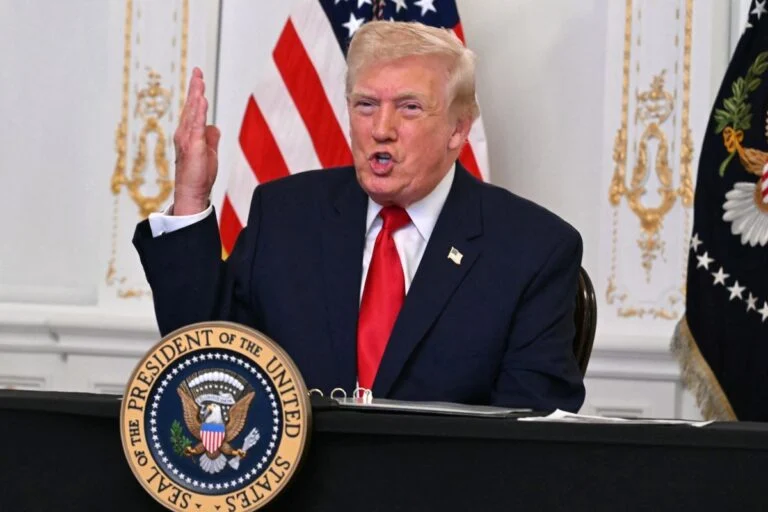
United States President, Donald Trump, has imposed a 15 per cent import tariff on Nigeria and several African nations, as part of a sweeping executive order under his revised global trade policy.
The White House, on Thursday, announced the new reciprocal tariff regime, which takes effect immediately.
This marks an escalation of Trump鈥檚 aggressive trade agenda that originally saw Nigeria hit with a 14 per cent tariff in April. The duties were later postponed for 90 days to allow for bilateral negotiations, with the deadline expiring on August 1.
However, talks with most countries failed to yield new trade agreements, prompting the United States to enforce higher tariffs across the board. In Africa, none of the countries, including Nigeria, succeeded in reaching a deal, despite concerted diplomatic efforts to avert the hike.
In the course of negotiations, the Trump administration also tightened travel restrictions on several African nations. Nigeria was initially excluded but was later added as the restrictions expanded.
Minister of Foreign Affairs, Yusuf Tuggar, had said travel bans posed a significant obstacle for West African countries seeking deeper trade ties with the US.
The revised tariff structure imposed varied rates on over 70 countries. While nations like the UK and Brazil received 10 per cent tariffs, others including India (25%), South Africa (30%), and Iraq (35%) were hit harder. Switzerland faces a 39 per cent rate, while countries like Syria and Myanmar saw tariffs as high as 41 and 40 per cent, respectively.
Notably, China remains in negotiations, while Mexico was slammed with multiple tariffs, including 25 per cent on fentanyl and cars, and 50 per cent on metals like steel and aluminium. Brazil鈥檚 tariff was raised to 50 per cent after an additional 40 per cent was added on Thursday.