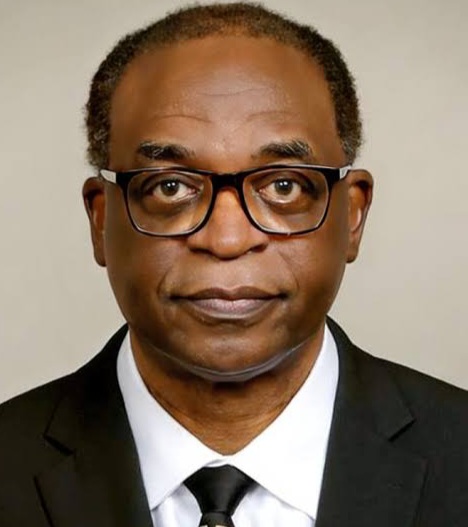










By Isaac Megbolugbe
This is the concluding part of this piece, you can read the first part here
Prayer鈥檚 Role in Overcoming Doubt
Prayer plays a significant role in overcoming doubt by providing a direct connection with a higher power, offering comfort, guidance, and reassurance. Here are some ways prayer can help:
Types of Prayer
1. Confessional Prayer: Acknowledge and confess doubts, seeking forgiveness and cleansing.
2. Petitionary Prayer: Ask for specific guidance, wisdom, and strength to overcome doubts.
3. Thanksgiving Prayer: Express gratitude for blessings, reinforcing faith and trust.
4. Meditative Prayer: Reflect on scripture, seeking insight and understanding.
Benefits of Prayer
1. Comfort and Reassurance: Prayer provides emotional comfort, calming fears and anxieties.
2. Guidance and Wisdom: Prayer seeks divine guidance, helping navigate uncertain situations.
3. Strength and Courage: Prayer imparts strength and courage, empowering individuals to face challenges.
4. Perspective and Clarity: Prayer offers new perspectives, clarifying thoughts and emotions.
Effective Prayer Practices
1. Regular Prayer: Establish a consistent prayer routine, fostering a deeper connection with God.
2. Honest Prayer: Share genuine thoughts, feelings, and doubts, promoting authenticity and vulnerability.
3. Scripture-Based Prayer: Incorporate biblical truths, reinforcing faith and trust.
4. Community Prayer: Pray with others, experiencing collective support and encouragement.
Overcoming Doubt through Prayer
1. Recognize God’s Presence: Prayer helps acknowledge God’s presence, even in uncertain times.
2. Trust in God’s Plan: Prayer fosters trust in God’s sovereignty, reassuring individuals of His guidance.
3. Cultivate Faith: Prayer nurtures faith, helping individuals overcome doubts and uncertainties.
4. Experience Peace: Prayer brings peace, calming doubts and fears, and reassuring individuals of God’s love.
Saying No to Your Future: The Consequences of Stagnation
When you say no to your future, you’re essentially saying yes to your current state. This decision can have far-reaching consequences, leading to stagnation and a lack of personal growth. By saying no to your future, you’re also saying:
– No to becoming more resilient: You’re depriving yourself of the opportunity to develop resilience, which is essential for navigating life’s challenges.
– No to God’s plan for His glory: You’re rejecting God’s plan for your life, which is designed to bring Him glory and fulfill your purpose.
– Yes, to stagnation: You’re choosing to remain in a state of stagnation, rather than embracing growth and transformation.
– Yes, to missed opportunities: You’re closing yourself off to new experiences, relationships, and opportunities that could enrich your life.
Saying Yes to Your Future: Embracing Growth and Transformation
On the other hand, saying yes to your future means embracing growth, transformation, and the unknown. This decision requires courage, faith, and a willingness to take risks. By saying yes to your future, you’re saying:
– Yes, to becoming more resilient: You’re opening yourself up to new challenges and opportunities that will help you develop resilience and perseverance.
– Yes, to God’s plan for His glory: You’re surrendering to God’s plan for your life, which is designed to bring Him glory and fulfill your purpose.
– No to stagnation: You’re choosing to move forward, embracing growth and transformation, rather than remaining in a state of stagnation.
– No missed opportunities: You’re positioning yourself to receive new experiences, relationships, and opportunities that will enrich your life.
The Choice is Yours
The decision to say yes or no to your future is a personal one. It requires careful consideration, prayer, and reflection. Remember, saying no to your future means saying yes to stagnation, while saying yes to your future means embracing growth, transformation, and the unknown. Choose wisely.
In conclusion, enduring faith is the key to unlocking future grace and fulfilling God’s promises. When we choose to trust God’s sovereignty, even during uncertainty, we open ourselves up to receive the empowerment and sustenance we need to navigate life’s challenges. Let us choose to endure, trust, and believe in God’s goodness and plan for our lives. For it’s in enduring faith that we will experience a life of flourishing, growth, and successful ending.
Isaac Megbolugbe, Director of GIVA Ministries International, 2024 Marquis Organization鈥檚 Class of Top Executives in the United States of America and a Fellow of the Royal Institution of Chartered Surveyors. He is resident in the United States of America.