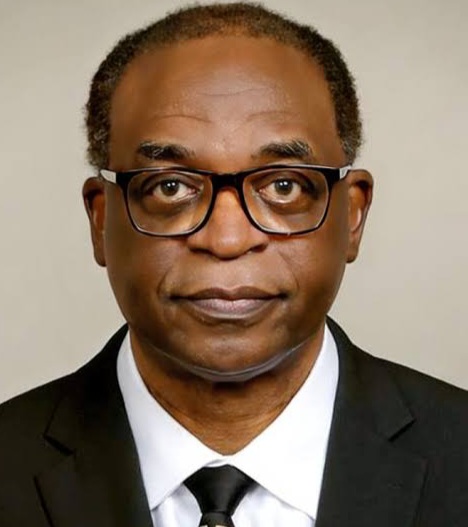







By Isaac Megbolugbe
Introduction
The Roman Catholic Church’s transformation of the early Church has been a topic of
debate among Christians. Some believe it was a necessary reform, while others
see it as a hijacking of the original message and agency. But what’s often
overlooked is the spiritual realm’s involvement in this narrative.
The Bible warns us that Satan, the Devil, disguises himself as an angel of light (2
Corinthians 11:14). Could it be that the early Church’s transformation was, in
part, a result of this deception? The enemy’s goal is to steal human souls from
the Church, and he’s used various tactics to achieve this.
However, Jesus Christ promised that His Church would prevail, and the gates of hell
would not overcome it (Matthew 16:18). The Church is a spiritual instrument,
and the Devil has no access to it except through human free will.
Humanity is the habitation of God, with the Holy Spirit indwelling believers. This
cohabitation allows God’s Kingdom work to be done through humans, advancing His
Kingdom. But the evil realm is railing against this, seeking to thwart God’s
plans.
The spiritual battle for human souls is real, and it’s intense. But why are humans
so crucial in this struggle? There are several reasons:
1. Free will: Humans have been granted authority and free will, making us closest
to God. We can choose to repent and undergo transformation, turning from evil
to God.
2.Divine embodiment: God chose to embody humanity with His divinity in Christ
Jesus, making us adoptable as His children and heirs (Romans 8:15-17).
As the apostle Paul wrote, “Do not be conformed to this world, but be
transformed by the renewing of your mind” (Romans 12:2). Let’s stand firm
in our faith, recognizing the spiritual battle and our role in advancing God’s
Kingdom.
The Gift of Free Will: A Divine Partnership
Free will is a fundamental aspect of human nature, reflecting God’s own character
and enabling us to engage in a genuine relationship with Him. This divine gift
empowers us to make choices, determining our actions and shaping our future.
The Essence of Free Will
Free will embodies the image of God, granting us the capacity to choose between good
and evil, blessing and curse. It allows for a true partnership with God, where
we can willingly offer ourselves to Him. This freedom is the foundation of
love, enabling authentic obedience and a deepening relationship with God.
The Significance of Free Will
Free will holds us accountable for our actions, as we have the power of
self-determination. This accountability is essential for divine judgment and
demonstrates God’s respect for the freedom He granted us. Even when we choose
to oppose Him, God honors our freedom, showcasing the depth of His love.
Free Will and Salvation
The ability to choose God makes salvation a personal decision, allowing for a
genuine, reciprocal relationship. We can say “yes” to God, and this
choice is the foundation of our partnership with Him.
Free Will in God’s Kingdom
God governs His Kingdom by inviting, rather than forcing, obedience. He seeks a
kingdom composed of those who choose to submit to His will, using their freedom
to align with His righteousness. As co-laborers, we partner with God, offering
our will as a sacrifice to Him.
In this divine partnership, we cultivate virtue, breaking free from sin and
operating within God’s kingdom principles. Free will is not a limitation, but a
gift, enabling us to live a life that honors God and fulfills our purpose.
Divine Embodiment
God embodied humanity with His divinity through Christ Jesus to reconcile humanity,
allowing believers to move from slavery to sin to the status of adopted
children and heirs (Romans 8:15-17). This was achieved through the sacrificial
death of Jesus and the empowerment of the Holy Spirit, which enables adoption,
grants legal standing in God鈥檚 family, and provides a new identity and
inheritance.
Why Did God Choose This?
Love and Reconciliation: God desires to bring humanity back into relationship with
Him, moving from a state of being “outsiders” to being family.
Transformation: To “recreate” humanity by giving them a new nature鈥攁 share in the
divine nature鈥攖o reflect His glory.
Inheritance: To make believers “heirs of God and co-heirs with Christ,” granting
them access to all the riches of His kingdom.
Freedom from Fear: To free humans from the slavery of sin and the fear of condemnation,
adopting them into a position of intimacy where they can call God “Abba,
Father”.
How Was This Embodied?
The Incarnation (Christ Jesus): God took on human flesh, bringing divinity into
humanity, which enabled the sacrificial death on the cross鈥攖he ultimate cost
for adoption.
The Spirit of Adoption: Believers receive the Holy Spirit, who affirms their new
status as children of God and allows them to cry out “Abba, Father”.
Faith and Grace: Adoption is not earned by merit but is a, gift of grace accepted
through faith in Jesus Christ.
New Creation: Through this, believers are born again, receiving a “Jesus鈥�
nature” and becoming a new creation with a new identity.
This process changes the believer’s status from a “slave” to a
“son” or “daughter,” enabling a relationship based on love and joyful obedience rather than fear.
The Eternal Destinations: A Tale of Two Realms
The concept of eternal life is a central theme in many spiritual traditions. In the
context of the good and evil realms, eternal life takes on different forms. The
godly realm is envisioned as a place where humanity becomes the eternal
habitation of God on earth, filled with glory and the abiding presence of God.
In contrast, the evil realm is described as a place of torment, judgment, sorrow,
resentment, and regret. The pursuit of human souls by the evil realm is not aimed at transforming it into a place of flourishing but rather perpetuating a state of separation from God’s presence.
The. battle for human souls between good and evil realms serves a greater purpose.
It highlights the significance of free will, a fundamental aspect of human nature that reflects God’s character. This gift enables us to engage in a genuine relationship with God, choosing to partner with Him or reject His love.
The Devil, unlike God, does not possess free will as a feature of his being. His relationship with lost souls is not a partnership, but a means to mutual punishment and eternal separation from God’s presence. Humans who submit to evil are deceived, ultimately leading to resentment and regret without the
option of repentance or redemption.
The Purpose of the Battle
The struggle for human souls serves to:
-Demonstrate the depth of God’s love and respect for human free will
-Showcase the destructive nature of evil and its consequences
-Highlight the importance of genuine relationship and partnership with God
Ultimately, the fate of human souls rests on the choices we make, influenced by the forces
of good and evil. The outcome is eternal, with profound implications for our existence.
The Nature of Spiritual Governance: Understanding Human Authority
In the spiritual realm, there are two primary power sources: God and the Devil.
Humans, though created in God’s image, don’t possess inherent power. Instead,
they’ve been granted authority, rooted in the free will bestowed by God. This
authority significantly influences the spiritual realm’s operations and
governance.
The Gift of Authority
God’s grant of free will to humans imbues them with authority, allowing them to make
choices that impact the spiritual realm. This authority is not about exercising power, but about partnering with God or aligning with the Devil’s schemes.
The Dynamics of Spiritual Governance
The spiritual realm operates through a system of authority, where humans play a crucial role. By exercising their free will, humans:
1.Partner with God: Aligning with God’s will, humans tap into His power and
contribute to advancing His Kingdom.
2.Align with the Devil: Choosing to oppose God, humans inadvertently empower the
Devil’s schemes, fostering darkness and chaos.
The Significance of Human Authority
Human authority matters in the spiritual realm because it:
1.Validates God’s sovereignty: Human choices respect God’s gift of free will,
even when opposing Him.
2.Demonstrates the Devil’s limitations: The Devil’s influence is restricted to
those who yield to his deception.
3.Shapes spiritual realities: Human decisions impact the spiritual realm,
influencing the flow of God’s power and the Devil’s schemes.
Operating within Spiritual Governance
As humans exercise their authority, they’re invited to partner with God, using
their free will to:
1.Align with God’s will: Seeking His guidance and power.
2.Resist the Devil’s schemes: Recognizing deception and choosing God’s truth.
By understanding the nature of spiritual governance and human authority, we can
better navigate the spiritual realm, making choices that honor God and fulfill our purpose.
The Great Spiritual Conquest: Understanding the Battle for Human Souls
The spiritual realm is a complex domain where two opposing forces 鈥� God and the
Devil 鈥� engage in a profound struggle for influence over human souls. At the
heart of this battle lies the dynamics of spiritual governance, where human
authority, rooted in free will, plays a pivotal role.
The Dynamics of Spiritual Governance
God has granted humans authority, allowing them to make choices that impact the
spiritual realm. This authority is not about exercising power, but about partnering with God or aligning with the Devil’s schemes. The spiritual realm operates through a system of authority, where humans contribute to advancing God’s Kingdom or empowering the Devil’s influence.
The Battle for Human Souls
Both spiritual realms recognize the significance of human influence, making the
battle for souls a crucial aspect of spiritual governance. The Devil seeks to deceive and manipulate humans, exploiting their authority for his purposes.
God, on the other hand, desires a genuine relationship with humans, guiding
them towards His will.
The Stakes and the Outcome
The outcome of this battle determines the advancement of God’s Kingdom or the
Devil’s schemes. Human choices, influenced by either realm, shape the spiritual
landscape. The godly realm aims to establish humanity as the eternal habitation
of God, while the evil realm seeks to perpetuate separation from God’s
presence.
The Significance of Human Authority
Human authority matters in the spiritual realm because it:
1. Validates God’s sovereignty
2.Demonstrates the Devil’s limitations
3. Shapes spiritual realities
By understanding the dynamics of spiritual governance and human authority, we can
navigate the spiritual realm, making choices that honor God and fulfill our purpose.
The Fallacy of the Free Agent Doctrine: A False Narrative
The notion of humanity as a free agent, independent and autonomous, is a narrative
that’s been perpetuated for centuries. However, this concept is a fallacy, a
fantasy that ignores the fundamental nature of spiritual reality. In truth,
humanity is not a neutral entity, capable of independent action. Rather, we
exist in a spiritual realm where two opposing forces 鈥� God and the Devil 鈥� vie
for our allegiance.
The Binary Choice
The options before humanity are clear: alignment with God or alignment with the
Devil. There’s no middle ground, no neutral territory. Rejecting God’s alignment is, in effect, choosing, an alignment with the Devil. This is not a matter of semantics; it’s a fundamental aspect of spiritual reality.
The Illusion of Autonomy
The idea of humanity as a free agent implies that we possess an independent power
base, allowing us to make choices unencumbered by external influences. However, this is a delusion. We are not self-sufficient, nor are we the masters of our
own destiny. Our choices are influenced, whether by God’s guidance or the Devil’s deception.
Mutually Exclusive Options
The options before humanity are mutually exclusive. One cannot serve two masters;
our allegiance will be to either God or the Devil. This is not a matter of personal preference, but a fundamental aspect of spiritual reality. To claim neutrality or independence is to ignore the reality of the spiritual battle raging around us.
The Consequences of Fantasy
Embracing the free agent doctrine has consequences. By ignoring the reality of the
spiritual battle, we become vulnerable to the Devil’s deception. We delude ourselves into thinking we can navigate the complexities of life without reference to God’s guidance. This fantasy will ultimately lead to spiritual
destruction, as we align ourselves with the forces of darkness.
The Truth of Humanity’s Condition
In reality, humanity is not a free agent, but a created being, dependent on God
for existence and guidance. Our purpose is to align with God’s will, embracing His love and purpose. This is not a limitation, but a liberation, allowing us to fulfill our created purpose and experience the fullness of life.
Conclusion
The free agent doctrine is a fallacy, a narrative that ignores the fundamental nature of spiritual reality. Humanity is not a neutral entity, capable of independent action. Rather, we exist in a spiritual realm where two opposing forces 鈥� God and the Devil 鈥� vie for our allegiance. Let’s reject the delusion
of autonomy and align ourselves with God’s will, embracing His love and purpose.
Concluding Remarks
As we’ve explored the spiritual battle for human souls, it’s clear that our
choices have eternal implications. The dynamics of spiritual governance reveal
that human authority, rooted in free will, plays a pivotal role in shaping the spiritual realm.
God’s grant of free will is a gift, enabling us to partner with Him or align with the
Devil’s schemes. This authority is not about exercising power, but about relationship and choice. As we navigate the complexities of the spiritual realm, we’re reminded that our decisions have consequences, influencing the
flow of God’s power and the Devil’s schemes.
Ultimately, the battle for human souls is a testament to the significance of our choices.
Will we align with God’s will, embracing His love and purpose? Or will we yield
to the Devil’s deception, perpetuating separation from God’s presence?
The choice is ours. Let’s choose wisely, recognizing the spiritual battle and our
role in advancing God’s Kingdom. But we must not be delusional to think we can
operate in the spiritual realm independently and autonomously.
Isaac Megbolugbe, Director of GIVA Ministries International is focused on empowering believers to embrace a grace-driven life of holiness and obedience, passionately pursuing a deeper relationship with God within the boundaries of His sovereignty, and reflecting Christ’s character in their daily lives. He is retired professor at Johns Hopkins University, member of 2024 Marquis Organization’s Class of Top Executives in the United States of America and a Fellow of the Royal Institution of Chartered Surveyors. He is resident in the United States of America.