By Adedokun Adebola and Ayansola Tejumade
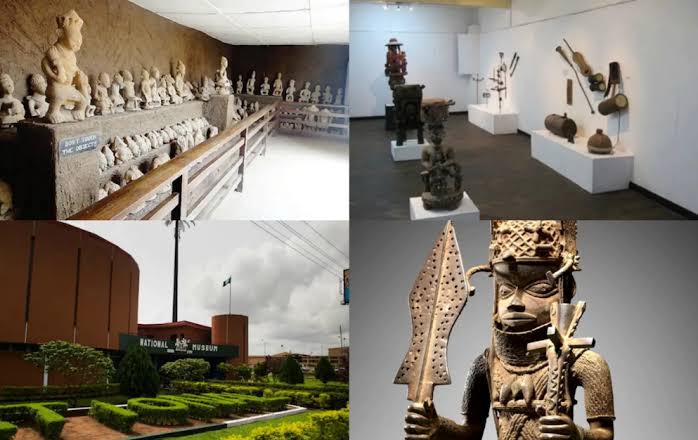
The museum as an institution is a place of knowledge gaining with self-expression. The current and future role of museum is giving the dynamic development in arts and society. Museum has to change in order to remain and regain relevance in the society through the sense of power and influence.
The challenges of rapidly changing in technologies, production of arts and crafts and acculturation has increased the social interactive, arts and artistic disciples which refuse to use classical or digital media. Therefore, the value becomes intertwined with the visitors experience and participation in the museum as the institution alter from being a source of knowledge to a place of self-expression and leisure. Museum responsibilities has become more intrinsic than ever, as visitors are increasingly experience -oriented. The responsibility of museum has moved beyond a socio-cultural function to a socio-defining one. Technology is enabling more active participation in visitors and personalization of experience.
Technology enables museum advocates for knowledge and support the educational and cultural roles of museum in the society. Technology is leading to decentralization and sharing of cultural authority and heritage, driving museum to abandon the exclusive roles of a key intermediary of knowledge enabling museum staff and experts, motivate individuals and communities to produce museum knowledge in a socially defined context.
The museum has become a hub of information, filled with objects that can be digitalized and governed by the principle of edutainment. It can be seen as a great packager of knowledge, building seed pits and dispersing them into the community.
Museum who depends on the public funds and philanthropy for their survival now depends on fundraising efforts which success hinge on the extent to which it’s able to meet market expectations.
Museum as an integral part of culture and society; as society changes so do museum. In the last few decades, administration and organization form the types of collections to the characteristics of visitors. Museum is now a broker of information and experience and not just collection of objects.
Through the Educational services and Training department, museum is building diverse programmes that can meet the needs of society rather than serving the museum visitors alone, it鈥檚 now societal oriented institution rather than visitor centric. In response to social changes of moving from an industrial age to information age. Museum is changing the fundamental theories and structures based on social, cultural and political pressures.
The depends of the information era have raised additional challenges for museum, particularly in the areas of access and authority. Museum have moved from being sources of information towards providing usable knowledge and creating platforms for visitors to explore their own ideas and draw their own conclusions. The giving power of communication, information collection and research in the hands of the individual through their own choices and within their own place and time have as well helped museum to have good results in the community.
Also, through the Educational services and Training department, museum have collaborated with people with special needs to their programmes in order to meet the standard of Sustainable Development Goals (SDGs) that says nobody should be left as a result of stigmatization or victimization. According to the Committee of Education and Cultural Action (CECA), an arm of the International Council for Museum (ICOM), people with special needs include those that have some disadvantages in visiting museum because of their academics, economics or social levels and conditions. They include busy executives, ethnic minorities, prison inmates鈥� refugees, poor slaves, internally displaced person etc. Museum, being in the service of humanities must reach out to all these categories of people.
In order for children with visual impairment to gain access to the gallery, museum have organized series of tactile activities. This will enable them to touch, feel and learn from museum objects. They also made used of props and replicas of objects to teach them.
Museum have organized series of outreach programmes such as seminars, quizzes and debating competitions, workshops, acquisition programmes etc for people under the CECA definition of people with special needs especially the prison inmates, market women, politicians, refugees etc. They have partnered with gifted and talented children by organizing programmes for them so as to enable them have museum educational knowledge with acceptability as part of education.
Although, Nigerian museum cannot boast of delivering their best to the society, museums in the diaspora, for example Germany have inculcated their children holiday period with museum education, they have more than enough guest houses that can accommodate their children during the holiday in the museum. The period is for them to learn their cultures and traditions especially languages, norms, values, music鈥檚, dances, dialects, cuisine etc. Nigerian museum still has a lot to do in this area, especially this time that cultural amalgamation has had a great negative effect on our children in the areas of dressing, greetings, drug abuse etc. Religious bodies are doing their best in this area, some are attending to the drug addict children giving them hope to live with little stipends and crafts, they have tried in giving support to the prisoners in area of food and material things. Museum in the diaspora are giving their best in this area but Nigeria is still very lack behind. Nigerian parents and the school curriculum are also another limitation for museum, parents can go on any length to make sure their children are academically focused mindless of the culture and tradition of the land. Norms and values, respect for elders and laws, which can be easily translated from museum education is of no paramount importance but to read and get certificate which leads to drug abuse in order to read and have good grades to satisfy their parents. With all the efforts of museum professionals Nigerian educational board have not incorporate museum education on Nigeria curriculum which made it difficult to have a collaborated activity in schools, many still see museum education as waste of time and of no necessity for children.
In conclusion, museum should pay more attention to information management in order to create and share new knowledge. Museum is transforming into public led organizations, information based and knowledge -oriented. Bi-directional digital communication, virtual environments and data- based innovation support and foster the co-creation of values. In terms of technological revolution, the environment in which museum operates changed profoundly, including them to review their roles and functions within the society. In tandem with survival capacity has been the challenged by the proliferation of the COVID 19 pandemic especially in Nigeria. The pandemic has become a catalyst for accessing the digital transformation of museum.
Adedokun Adebola Feyikemi is the Chief Museum Education Officer, National Museum, Osogbo. [email protected], +2348062315355
Ayansola Tejumade Eniola is the Antiquities Protection Officer, National Museum Osogbo.