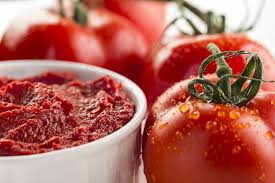
A lot of Nigerians have started striking out stew from their daily聽home menu because the price of tomatoes in the market has gone sky high, by聽1000 per cent in some areas.
According to a market survey by NAN, a聽small basket of the commodity, which used to be N350, now sells聽for as much N3,500 in Jos.聽The survey also聽found that a big basket of the commodity, which sold for N1,000 about two months ago, now costs N10,000.
One of the retailers of the commodity, Mrs. Nanret Abimu, told the news agency that the development was inexplicable.
Her words:
鈥淗onestly, I do not know one specific reason why the price is this high鈥欌��.
鈥淭he price changes every day. One day a basket is N5,000. The next day, you are told it is N10,000. It is a very tough situation鈥欌��
Some explanations have it that聽the price increase is as a result of聽seasonal changes, especially at the onset of the rains.

And Mrs Abimu tried to explain:
鈥淭omato is generally a dry season vegetable.
鈥溼簚hen heavy rains start, the vegetable gets rotten on the farms, which generally affects supply.
鈥淚t means that many retailers or wholesalers could go directly to the farms but will not get much and may be forced to purchase at outrageous prices out of desperation.
鈥淲hen that happens, the effect is on the buyer and the eventual consumer, which is what we have now鈥�
But聽seasonality has always affected the price of tomatoes and other food items聽in the past. Why is 2016 different?聽It obviously goes beyond the trending聽excuse bandied by most traders – “dollar don rise”.

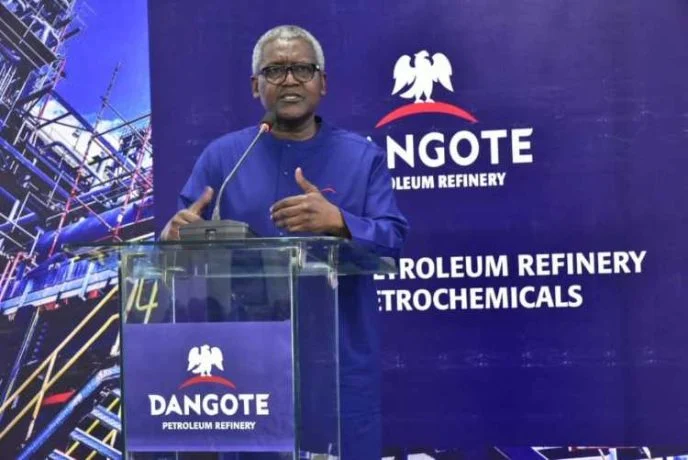
Last month, Aliko Dangote‘s Tomato paste factory kicked off operations in Kano.聽The plant aims at聽producing 1,200 metric tons per day and聽more than 430,000 tons of paste annually.
Most of its raw materials are expected to come from farmers in the Kadawa Valley in Kano state. According to Bloomberg, farmers will receive a guaranteed price of about $700 per ton compared to an average of less than $350 now.
The managing director of Dangote Farms Limited, which runs the plant, Abdulkareem Kaita, told the business news medium聽in an interview:
鈥淲e are going to work with the farmers, they can afford to produce more because there鈥檚 a processing factory and they don鈥檛 have to suffer losses like they did before.鈥�
One month after, the reality that Nigerian farmers do not produce enough tomatoes is staring at us in the face. Dangote seems to have mopped up “every available” tomato in the land and may soon run into crisis – scarcity of raw materials.
According to the Ministry of Agriculture,聽Nigeria produces 1.5 million tons of tomatoes annually of which about 900,000 tons rot,聽leaving it with just about 600,000 tons.
The Guardian recently quoted Mr. Oscar Walumbe, Integrated Project Manager, Sustainable Livelihoods as saying:
鈥淣igeria consumes over 2.3 million tonnes of tomatoes annually, while it currently produces about 1.8 million tonnes locally. However, only 50 per cent (0.9 million tonnes) of the produce makes it from farm to fork, thereby creating an immediate gap of 1.4 million tonnes to filled. This gap in essentially filled via importation, a scenario, which puts more pressure on the demand for the already scarce foreign reserve.
So, where do we go from here? Nigeria must get its act together in the agricultural sector, using tomatoes as a case study. This is most pertinent in the face of the current national desperation to produce locally, reduce importation, diversify the economy and create employment.
Speaking at the Sectoral Debate on the Nigerian Economy organised by the House of Representatives on Wednesday, Minister of Agriculture, Audu Ogbeh pointed out that the case with tomato and “Dangote mopping up the whole tomato in the system”, shows that Nigeria聽really needs a lot of investments in Agriculture.

According to him, investing in Green House Technology is one of the ways to improve tomato production in the country. The facilities would create controlled environment for all-season production of high quality tomatoes and pepper.
He also urged聽the lawmakers to make adequate budgetary provision for the ministry, adding that聽鈥渁mong other things we are putting in place, 40 rice mills would be installed around the country by December, with tomato paste and banana processing plants also on the way鈥�.
It is hoped that the present realities and difficulties would engender less talk and more action in the case to make agriculture as economically important as crude oil or even more.