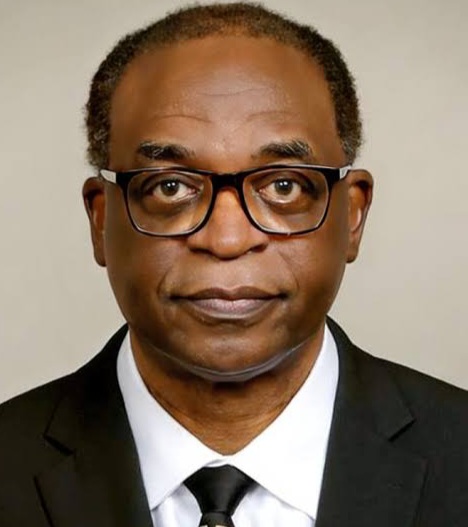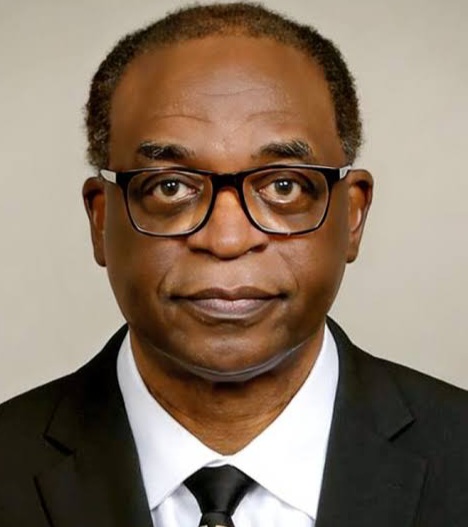







By Isaac Megbolugbe
Introduction
Congruence of existence is the intentional alignment of the three temporal dimensions of our lives: the past, the present, and the future. By intellectually and spiritually harmonizing these three seasons, believers can fully comprehend their purpose and intentionally engineer their mindset to fulfill it.
The Seasons of Time
To understand congruence, we must recognize how each phase of time shapes our identity as believers:
- The Past (The Embodying Foundation): Our past is known because our current life already embodies its effects, “for good or ill.” It is the foundation of our experiences, the lessons we have learned, and the trials we have overcome.
- The Present (The Consequential Reality): The present compels engagement. It is not optional; it is compelling and consequential. It consists of the opportunities immediately executed through human agency and the active choices we make every single day.
- The Future (The Visionary Horizon): The future is a direct function of our vision and current mindset. It is not a random destination, but a reflection of the foresight we develop as we apply our faith to our daily lives.
The Interplay of Hindsight and Foresight
Our ability to look forward is directly forged by how we draw lessons from what lies behind us. True foresight is achieved through the beneficial clarity that hindsight offers. By learning from our past and applying constructive governance to our present contextual reality, we build a deep self-awareness of the state of our lives.
When we lack this harmony, we risk living in disconnect: ignoring past lessons leads to repeated mistakes, while ignoring the consequences of the present leads to stagnation. By assessing our current life through this tri-fold lens, we bridge the gap between where we have been and where God is calling us to be.
Intellectual Harmonization and Faith
The intellectual harmonization across these temporal terrains is an active, ongoing requirement. It requires us to evaluate our actions, thoughts, and intentions continuously. As believers, this harmonization allows us to clearly identify our divine purpose and purposefully shape our mindset.
Ultimately, achieving congruence of existence means our faith and our actions are unified across time. By harvesting insights from the past, embracing the responsibilities of the present, and envisioning the future with hope, we equip ourselves to live out our calling to the very best of our abilities and faith.
The Seasons of Time: Shaping the Believer鈥檚 Identity through Temporal Alignment
True spiritual maturity requires a deep understanding of how time shapes our relationship with God and our purpose on Earth. To achieve a state of spiritual congruence, we must recognize how each phase of time actively forms our identity as believers. Our lives are not lived in fragmented moments, but in a continuous thread where yesterday, today, and tomorrow meet.
By analyzing the past, present, and future through the lens of faith, we can better understand who we are and where we are called to go.
1. The Past: The Embodying Foundation
Our past is not merely a collection of memories; it is a living foundation. We know our past because our current life already embodies its effects, whether “for good or ill.” Every joy, trial, failure, and victory has left an imprint on our current character.
- The Storehouse of Lessons: The past serves as our personal history book of God鈥檚 faithfulness and our own human missteps.
- The Overcoming of Trials: The hardships we survived in previous seasons form the bedrock of our current resilience.
- The Danger of Unresolved History: If left unexamined, the negative aspects of our past can manifest as current baggage. When redeemed by faith, however, the past becomes a testimony of grace.
2. The Present: The Consequential Reality
The present is the only arena where human agency can actively function. It is a reality that completely compels our engagement, leaving no room for passive observation. The present is not optional; it is deeply compelling and intensely consequential.
- Immediate Execution: The present consists of the opportunities immediately executed through human choice and available resources.
- The Seed of Tomorrow: Every decision made in the current moment carries weight, altering the trajectory of our lives.
- Active Engagement: Believers are called to be fully awake to the now, treating current responsibilities as a direct expression of their devotion.
3. The Future: The Visionary Horizon
The future is not a chaotic, random destination that simply happens to us. Instead, the future is a direct function of our current vision and mindset. It represents the horizon toward which our expectations and faith are pulling us.
- A Reflection of Foresight: The future we step into is largely shaped by the foresight we develop today.
- The Role of Mindset: A mindset limited by fear creates a restricted future, while a mindset anchored in biblical hope expands it.
- Faith-Driven Anticipation: For the believer, looking forward is an act of trust, planning with wisdom while remaining open to divine interruption.
Conclusion: Activating the Three Seasons
顒�
| Season | Spiritual Dimension | Core Action for the Believer |
| The Past | The Foundation | Harvest insights and accept redemption. |
| The Present | The Reality | Engage responsibly and execute choices. |
| The Future | The Horizon | Build vision and engineer a faithful mindset. |
When we harmonize these three seasons, we stop drifting through life. By honoring the foundation of our past, executing our choices wisely in the reality of the present, and setting our vision clearly on the future horizon, we achieve true temporal congruence. It is in this harmony that we discover our ultimate purpose and live it out to the maximum of our abilities.
The Architecture of Eternal Alignment: A Biblical Blueprint for Past, Present, and Future
True spiritual maturity is found in a state of holy congruence鈥攖he intentional alignment of the three temporal dimensions that define our existence: the past, the present, and the future. For the believer, time is not a series of disconnected, random events. It is a sacred continuum designed by God to shape our identity, reveal our purpose, and refine our faith.
When we harmonize these three seasons, we anchor our identity in what God has done, maximize our impact in what He is doing, and move strategically toward what He will do. By examining the scriptural foundations of each season, we can discover the biblical process for achieving total temporal alignment.
1. The Past: The Foundation of Remembrance and Redemption
Our past is a living foundation. We know our past because our current life already embodies its effects, for good or ill. Biblically, the past is not a place to reside, but a library of insights to harvest. It serves as a testimony to God’s unyielding faithfulness and a sober reminder of human frailty.
The Scriptural Rationale
Scripture commands the believer to remember. In Deuteronomy 8:2, God instructs His people: 鈥淎nd you shall remember that the Lord your God led you all the way these forty years in the wilderness, to humble you and test you, to know what was in your heart. 鈥淭he past is the testing ground where our current spiritual resilience was forged. Furthermore, the Apostle Paul reminds us in Romans 8:28 that 鈥渁ll things work together for good to those who love God.鈥� This means even the broken, painful fragments of our past (“for ill”) are redeemed and woven into the fabric of our current strength.
The Biblical Process: Hindsight and Altar-Building
The biblical process for handling the past is to convert memories into altars of remembrance. In Joshua 4, after crossing the Jordan River, the Israelites were commanded to set up twelve stones. These stones served as a permanent visual anchor so that future generations would know what God had done.
- The Process: We look back with intentional hindsight, dissecting our failures for wisdom and celebrating our victories for encouragement. We extract the lesson, leave the guilt, and carry the wisdom forward into our current reality.
2. The Present: The Consequential Reality of Divine Agency
The present is the only arena where human agency can actively function. It is a reality that completely compels our engagement; it is both consequential and urgent. The present is not a passive waiting room for the future, but a theater of active obedience where immediate choices carry eternal weight.
The Scriptural Rationale
The Bible positions the present as a critical, high-stakes reality. Paul writes in Ephesians 5:15-16, 鈥淪ee then that you walk circumspectly, not as fools but as wise, redeeming the time, because the days are evil.鈥� The Greek word used here for time is kairos鈥攁 strategic, opportune season. The present demands immediate execution through available human agency because our choices matter. Jesus echoes this urgency in John 9:4: 鈥淚 must work the works of Him who sent Me while it is day; the night is coming when no one can work.鈥�
The Biblical Process: Stewardship and Focus
The process for navigating the present requires constructive governance of our current state of affairs. It means focusing entirely on the responsibilities of today without being paralyzed by anxiety.
- The Process: In Matthew 6:34, Jesus commands, 鈥淭herefore do not worry about tomorrow, for tomorrow will worry about its own things. Sufficient for the day is its own trouble.鈥� The biblical process is active stewardship: identifying the exact tasks, relationships, and opportunities God has placed before us right now, and executing them with excellence.
3. The Future: The Visionary Horizon of Faith and Mindset
The future is not a chaotic, accidental destination. It is a direct function of our vision and current mindset. For the believer, the future is the visionary horizon toward which our expectations, engineered by faith, pull us forward.
The Scriptural Rationale
God uses our foresight to direct our steps, and that foresight is entirely dependent on our current mindset. Proverbs 29:18 warns, 鈥淲here there is no revelation [vision], the people cast off restraint.鈥� Without a clear, God-given vision of the future, our present actions become undisciplined and meaningless. Jeremiah 29:11 reveals the nature of God’s horizon for us: 鈥淔or I know the thoughts that I think toward you, says the Lord, thoughts of peace and not of evil, to give you a future and a hope.鈥� Because God鈥檚 thoughts toward our future are secure, our mindset must align with His promises.
The Biblical Process: Forward-Pressing Faith
The biblical process for the future requires a deliberate engineering of the mind, refusing to let past failures or present limitations anchor us in fear.
- The Process: Paul outlines this perfectly in Philippians 3:13-14: 鈥�…forgetting those things which are behind and reaching forward to those things which are ahead, I press toward the goal for the prize of the upward call of God in Christ Jesus.鈥� We take the foresight forged by our past lessons, apply it to our current vision, and actively step forward into the calling God has set before us.
Conclusion: Harmonizing the Tri-Fold Fabric of Time
顒�
| Season | Spiritual Identity | Primary Scripture | Actionable Mandate |
| The Past | The Foundation | Deuteronomy 8:2 | Remember: Harvest insights from history. |
| The Present | The Reality | Ephesians 5:16 | Redeem: Execute choices with available agency. |
| The Future | The Horizon | Philippians 3:13 | Reach: Engineering a mindset of vision and hope. |
When these three seasons are intellectually and spiritually harmonized, the believer achieves true congruence of existence. We are no longer trapped by the regrets of the past, overwhelmed by the pressures of the present, or fearful of the uncertainties of the future. Instead, we see time as God sees it鈥攁 unified canvas where His grace handles our past, His power fuels our present, and His sovereignty secures our future.
The Interplay of Hindsight and Foresight: Bridging the Temporal Gap in Faith
Our ability to look forward is directly forged by how we draw lessons from what lies behind us. True foresight is achieved through the beneficial clarity that hindsight offers. By learning from our past and applying constructive governance to our present contextual reality, we build a deep self-awareness of the state of our lives, allowing us to bridge the gap between where we have been and where God is calling us to be.
The Symbiosis of Two Vision Lenses
Foresight and hindsight are often viewed as opposite concepts, but they are actually two halves of a single spiritual compass. They depend entirely on one another to guide a believer effectively:
- Hindsight (The Informing Teacher): This lens looks backward to evaluate past experiences, unexpected failures, and clear moments of divine intervention. It provides the objective raw data and wisdom needed to make better choices moving forward.
- Foresight (The Strategic Architect): This lens projects forward into an uncertain tomorrow. It uses imagination, faith, and anticipation to design a future that aligns with a higher calling or purpose.
Without hindsight, foresight becomes blind, ungrounded speculation. Without foresight, hindsight degrades into a stagnant, repetitive loop of regret.
The Cost of Temporal Disconnect
When we lack harmony between these two vision lenses, we risk living in a dangerous state of spiritual and mental disconnect. This breakdown typically manifests in two distinct ways:
- The Trap of Repeated Mistakes: Ignoring past lessons directly causes a failure to adjust behavior. When hindsight is suppressed, a believer enters a destructive cycle, stumbling over the exact same obstacles because they refused to harvest wisdom from their history.
- The Paralysis of Stagnation: Ignoring the consequences of the present leads to absolute stagnation. If we refuse to govern our current realities鈥攐ur immediate choices, habits, and mindset鈥攚e become frozen, unable to translate past knowledge into future progression.
Constructive Governance and Self-Awareness
To break these cycles, a believer must cultivate deep self-awareness through the constructive governance of their current state of affairs. This requires a clear-eyed, bias-free assessment of exactly where one stands today. It means taking the lessons of the past, matching them with active human agency in the present, and using that combined momentum to engineer a visionary mindset.
Ultimately, assessing our lives through this tri-fold lens creates a functional bridge across time. It ensures that our history informs our current reality, and our current reality deliberately fuels our divine destiny.
The Dual-Vision Leader: Historical and Biblical Exemplars of Hindsight and Foresight
The trajectory of leadership is determined by how a leader navigates the tension between what has been and what could be. True foresight is achieved through the beneficial clarity that hindsight offers. Leaders who lack this harmony either repeat past failures or stagnate in the present.
Conversely, history and Scripture show that the most impactful leaders possess a dual-vision capability. They construct a bridge across time by actively extracting lessons from the past, applying rigid governance to the present, and engineering a bold vision for the future.
1. Joseph: Synthesizing Generational Trauma and Macroeconomic Foresight
Joseph鈥檚 life is a masterclass in using the clarity of hindsight to govern immediate crises and secure future survival.
- The Clarity of Hindsight: Joseph suffered betrayal by his brothers, wrongful imprisonment, and forgotten promises. Yet, his hindsight was not bitter. When his brothers ultimately stood before him in Egypt, Joseph possessed the self-awareness to see a divine thread through his suffering, famously stating in Genesis 50:20: “You meant evil against me; but God meant it for good.”
- The Strategic Foresight: Decades earlier, when interpreting Pharaoh鈥檚 dreams of seven fat cows and seven lean cows (Genesis 41), Joseph demonstrated profound economic foresight. He didn’t just predict the future; he engineered a solution.
- The Present Governance: Joseph synchronized these lenses by executing an immediate, massive grain-storage strategy during the years of plenty. His past betrayal gave him the emotional maturity to manage absolute power, his present actions saved empires, and his foresight preserved the lineage of Israel.
[Past Trauma Redefined] 鈹�鈹�> [Present Crisis Governance] 鈹�鈹�> [Future Preservation]
2. Nehemiah: Merging Ancestral History with Urban Architecture
Nehemiah, cupbearer to King Artaxerxes, illustrated how looking back at historical failures can directly forge the blueprint for future restoration.
- The Clarity of Hindsight: While in Persia, Nehemiah received word that the walls of Jerusalem were broken down. He did not treat this as a random misfortune. In Nehemiah 1, his immediate reaction was prayer wrapped in historical hindsight. He confessed the generational sins of Israel, recognizing that their current displacement was the exact consequence of past disobedience.
- The Strategic Foresight: Nehemiah envisioned a fully fortified Jerusalem before a single stone was laid. He calculated the timbers needed from the king’s forest, anticipated political opposition, and mapped out the architectural sectors of the wall.
- The Present Governance: Nehemiah balanced these lenses during the 52-day reconstruction. When enemies threatened to attack, his present governance was flawless: he armed the builders, declaring in Nehemiah 4:18 that every builder worked with a sword girded at his side. His hindsight taught him that spiritual vulnerability leads to physical ruin; his foresight taught him to plan for war while building for peace.
3. Winston Churchill: Leveraging the Canon of History to Defeat Tyranny
In modern secular history, few leaders possessed a deeper obsession with the interplay of hindsight and foresight than Winston Churchill.
- The Clarity of Hindsight: Churchill was an avid historian who wrote multi-volume texts on British and world history. He famously observed: “The farther backward you can look, the farther forward you are likely to see.” His hindsight was deeply sharpened by studying the rise and fall of empires and the predictable behavior of dictators.
- The Strategic Foresight: Throughout the 1930s, while the world embraced the policy of appeasement toward Nazi Germany, Churchill stood virtually alone. His historical hindsight told him that tyrants cannot be appeased. This forged an uncanny foresight; he accurately predicted the exact trajectory of German aggression years before World War II broke out.
- The Present Governance: When he became Prime Minister in 1940, he applied ruthless governance to Britain’s immediate reality. He mobilized the economy, shifted military strategy, and used his rhetoric to engineer a national mindset of defiance. Churchill bridged the gap between a crumbling present and a free future by anchoring his strategy in the immovable lessons of history.
The Blueprint for Dual-Vision Leadership
These leaders demonstrate that navigating time is a repeatable, structured process:
顒�
| Leader | Hindsight Dimension (The Lesson) | Present Dimension (The Governance) | Foresight Dimension (The Vision) |
| Joseph | Pain and betrayal are raw materials for divine repositioning. | Strict management of current national resources. | Anticipating global famine and preserving a nation. |
| Nehemiah | Unconfessed generational compromise leads to broken defenses. | Simultaneous arming and equipping of active workers. | Re-establishing a holy city and secure borders. |
| Churchill | Aggressors are never pacified by concessions or weakness. | Total mobilization of human and industrial agency. | The ultimate defense and survival of Western democracy. |
Conclusion: Activating the Dual Lens
When you lack this harmony, you risk living in disconnect. Ignoring past lessons leads to repeated mistakes, while ignoring the consequences of the present leads to stagnation.
Like Joseph, Nehemiah, and Churchill, modern leaders must evaluate their current life through this tri-fold lens. By harvesting the beneficial clarity of hindsight and applying constructive governance to our current contextual reality, we build the self-awareness required to step confidently into our visionary horizon.
Intellectual Harmonization and Faith: Cognitive Discipline and Spiritual Congruence
True spiritual maturity does not happen automatically. It requires an active, intentional, and ongoing process known as intellectual harmonization. For a believer, faith is not a passive emotion, but a deeply cognitive reality that demands the active renewal of the mind.
To achieve a true “congruence of existence,” we must intentionally integrate our thoughts, beliefs, and memories across the three dimensions of time: the past, the present, and the future. When we harmonize our intellect with our faith across these temporal terrains, we unlock our divine purpose and build a resilient mindset capable of fulfilling it.
1. The Call to Cognitive Discipline
Intellectual harmonization requires us to evaluate our actions, thoughts, and intentions continuously. This aligns perfectly with the biblical mandate for self-examination found in 2 Corinthians 10:5, which instructs believers to 鈥渂ring every thought into captivity to the obedience of Christ.鈥�
- Continuous Evaluation: We cannot afford to live on autopilot. Our internal thought life must be actively monitored. We must audit our motives, dissect our reactions, and align our reasoning with scriptural truth.
- Active vs. Passive Mindsets: A passive mindset allows circumstances to dictate feelings and behavior. An actively harmonized mind takes control of those circumstances, viewing them through the unchanging lens of faith.
- The Blueprint for Purpose: This intellectual discipline is what allows us to clearly identify our divine purpose. God鈥檚 will is rarely revealed to a chaotic, fragmented mind; it is recognized by an intellect that has been quieted, structured, and harmonized.
2. Unifying Faith Across the Fabric of Time
Achieving a true congruence of existence means that our faith and our actions are completely unified across time. It forces us to stop treating our past mistakes, present struggles, and future anxieties as disconnected boxes. Instead, intellectual harmonization bridges these gaps through three distinct actions:
[ HARVEST INSIGHTS ] 鈹�鈹�> Look back at the Past with Clarity
鈹�
鈻�
[ EMBRACE RESPONSIBILITY ] 鈹�鈹�> Act in the Present with Agency
鈹�
鈻�
[ ENVISION WITH HOPE ] 鈹�鈹�> Look to the Future with Faith
- Harvesting Insights from the Past: We look backward not to dwell on regret, but to collect wisdom. We study our history to see where God鈥檚 grace sustained us and where our own missteps taught us valuable lessons.
- Embracing the Responsibilities of the Present: The present is where our faith must find legs. Intellectual harmonization forces us to stop waiting for “better days” and instead take total ownership of our current reality, making choices that honor God right now.
- Envisioning the Future with Hope: We project our minds forward, refusing to succumb to fear or cultural anxiety. Anchored by the track record of our past and the obedience of our present, we look ahead with confident expectation.
3. The Practical Framework of a Harmonized Mind
To maintain this state of synchronization, a believer can implement a practical, daily framework of reflection. This turns intellectual harmonization from an abstract concept into a daily habit.
顒�
| Temporal Domain | The Mindset Shift | Daily Reflective Question |
| The Past | From Regret to Insight | What did my past experiences teach me about God’s faithfulness and my own growth? |
| The Present | From Passivity to Responsibility | What critical task or decision demands my immediate, faithful execution today? |
| The Future | From Anxiety to Hope | How am I actively tailoring my current vision to align with God’s promises? |
Conclusion: Equipped for the Calling
Ultimately, intellectual harmonization leaves no room for a double-minded life. When we master the discipline of aligning our intellect with our faith across time, we equip ourselves to live out our divine calling to the absolute best of our abilities.
By systematically harvesting insights from what lies behind us, actively executing our agency in what stands before us, and boldly envisioning what awaits us, we step into a lifestyle of absolute spiritual congruence鈥攆ully anchored, fully engaged, and fully prepared for eternity.
Metamorphosis of the Mind: A Theological Exposition of Cognitive Renewal in Romans 12:2
The Christian life is not merely an emotional awakening or a behavioral alteration; it is a profound cognitive restructuring. At the core of Pauline theology lies a radical assertion: to live a life that is holy and acceptable to God, one must undergo a total intellectual transformation.
This truth is articulated in Romans 12:2, where the Apostle Paul commands: 鈥淎nd do not be conformed to this world, but be transformed by the renewing of your mind, that you may prove what is that good and acceptable and perfect will of God.鈥�
To achieve temporal congruence鈥攈armonizing our past insights, present realities, and future vision鈥攚e must first understand the deep theological mechanisms embedded in this single, pivotal phrase: “the renewing of your mind.”
1. The Linguistic Architecture: 础苍补办补颈苍艒蝉颈蝉 and Nous
To unlock the theological weight of Paul’s command, we must examine the original Greek vocabulary he carefully selected.
- The Mind (Nous): In Hellenistic thought and Pauline theology, nous is not merely the intellect or the brain’s processing unit. It encompasses the seat of moral reflection, the conscience, the will, and the faculty of perception. It is the framework through which a human being interprets reality, assigns value, and makes choices.
- The Renewing (础苍补办补颈苍艒蝉颈蝉): This specific Greek word occurs only twice in the entire New Testament (here and in Titus 3:5). It denotes a complete renovation, a drastic change of mind for the better, making something entirely new in quality. It is not an adjustment or a renovation of an existing structure; it is an entirely new operating system.
Paul鈥檚 choice of words indicates that spiritual transformation cannot bypass the intellect. True faith requires a systematic, structural overhaul of how the nous perceives and processes existence.
2. The Great Antithesis: Schema vs. Morph膿
Paul frames the renewing of the mind between two opposing cosmic forces: conformity to the world and transformation by God. The Greek verbs used here expose a deep psychological and spiritual battle:
[ THIS WORLD ] 鈹�鈹�> Susschem膩tiz艒 (External Pattern) 鈹�鈹�> Superficial/Temporary
VS.
[ THE SPIRIT ] 鈹�鈹�> 惭别迟补尘辞谤辫丑辞艒 (Internal Nature) 鈹�鈹�> Substantive/Eternal
- Conformity (厂耻蝉肠丑别尘腻迟颈锄艒): This means to fashion oneself according to a fleeting pattern. The root word is schema, referring to an external, superficial, and temporary appearance. Paul warns believers to stop letting the current world-system squeeze them into its mold, dictating their habits, anxieties, and metrics of success.
- Transformation (惭别迟补尘辞谤辫丑辞艒): This is the root word from which we derive the English word metamorphosis. It refers to a deep, radical change of nature from the inside out, affecting the fundamental essence (morphe). Notably, this is the exact same word used to describe Jesus鈥� divine Transfiguration on the mountaintop (Matthew 17:2).
The theology here is absolute: you cannot stop the external molding of the world (schema) unless you are actively experiencing the internal transformation of the Spirit (morphe) via a renewed mind.
3. The Theological Mechanics: How the Mind is Renewed
Scripture treats the renewing of the mind as both a divine sovereign act and a human behavioral responsibility. It is a synergistic process involving two distinct layers:
The Divine Operation (The Passive Imperative)
In the Greek text, “be transformed” (metamorphousthe) is written in the passive voice. This means the believer does not transform themselves; it is an action performed uponthem by the Holy Spirit. As noted in Titus 3:5, salvation and sanctification come through the “washing of regeneration and renewing of the Holy Spirit.” The raw power to alter our cognitive nature is strictly a gift of divine grace.
The Human Cooperation (The Intellectual Discipline)
While the power is divine, the command is an imperative鈥攊t requires human submission and active participation. We cooperate with the Holy Spirit by intentionally managing our mental intake. We replace worldly narratives with scriptural truths. As Paul notes elsewhere in Philippians 4:8, we must actively choose to 鈥渕editate on these things鈥�鈥攖hings that are true, noble, just, pure, lovely, and of good report.
4. The Teleological Outcome: Discerning the Divine Will
Paul does not command cognitive renewal just for intellectual satisfaction. The process has a clear, ultimate purpose (a telos): 鈥�…that you may prove what is that good and acceptable and perfect will of God.鈥�
The Greek word for “prove” is 诲辞办颈尘补锄艒, which means to test, examine, and approve through practical experience, much like a refiner tests metal in a fire.
[Renewed Mind] 鈹�鈹�> [Accurate Perception] 鈹�鈹�> [Moral Discernment (Dokimaz艒)] 鈹�鈹�> [God’s Will Demonstrated]
An unrenewed mind is structurally incapable of accurately discerning or appreciating God鈥檚 intentions. It views God’s parameters as restrictive or foolish (1 Corinthians 2:14). However, a harmonized, renewed mind gains a spiritual clarity that views God鈥檚 will as inherently good (beneficial), acceptable (pleasing), and perfect (complete).
Conclusion: The Cognitive Bridge to Congruence
The theological study of Romans 12:2 demonstrates that intellectual harmonization is the bridge to a unified life of faith. We cannot live out a divine calling with a worldly mindset.
When the Holy Spirit renovates our nous, our entire perception of time shifts. Our past is no longer viewed through the lens of secular regret, but through the lens of redemptive grace. Our present is no longer governed by cultural panic, but by active divine agency. Our future is no longer feared but envisioned with scriptural hope. By yielding our minds to this daily metamorphosis, we move from superficial conformity to deep, eternal spiritual congruence.
The Confluence of Cosmos and Calling: The Divine Synthesis of Congruence, Creation, and Faith
The human quest for meaning is fundamentally a quest for alignment. Throughout this series, we have dissected the temporal dimensions of our lives, the critical interplay of hindsight and foresight, and the radical theological mandate of a renewed mind. Yet, these concepts do not exist in isolation. They are micro-reflections of a macro-reality: a grand, cosmic design where the character of God, the order of creation, and the temporal existence of humanity converge.
To bring our exploration to a definitive close, we must examine the ultimate synthesis鈥攖he confluence of divine congruence, structural creation, and the resulting temporal harmony that believers are empowered to live out through the constructive, functional role of faith.
1. The Source: Divine Congruence in Being and Creation
Before time began, congruence existed as the primary attribute of the Creator. God is perfectly congruent within Himself; His character, words, and actions exist in flawless, unchanging unity. As stated in Malachi 3:6, 鈥淔or I am the Lord, I do not change.鈥� There is no friction, no shadow of turning, and no fragmentation in the divine nature.
When God spoke the universe into existence, He stamped this attribute of congruence directly onto the fabric of creation.
[ Divine Nature ] 鈹�鈹�> Perfect Congruence & Immutability
鈹�
鈻�
[ Cosmic Creation ] 鈹�鈹�> Structural Order, Seasons, & Rhythms (Genesis 1)
鈹�
鈻�
[ Human Existence ] 鈹�鈹�> Mandate for Temporal Alignment (Past, Present, Future)
Creation reflects this order through predictable rhythms, mathematical precision, and cyclical seasons. Genesis 8:22 establishes this perpetual harmony: 鈥淲hile the earth remains, seedtime and harvest, cold and heat, winter and summer, and day and night shall not cease.鈥� The physical cosmos operates in absolute alignment with the divine decree, moving seamlessly from one season to the next without existential disconnect. Creation is, by design, temporally congruent.
2. The Mandate: The Consequential Temporal Congruence of Human Life
Unlike the rest of creation, which obeys divine order by default instinct, humanity was granted volition and agency. We are uniquely positioned at the intersection of eternity and time. Ecclesiastes 3:11 encapsulates this tension: 鈥淗e has made everything beautiful in its time. Also He has put eternity in their hearts.鈥�
Because we possess “eternity in our hearts” yet live out our days in a linear, physical world, we are tasked with translating cosmic, divine congruence into our daily temporal existence. For the believer, this means harmonizing our subjective experience of time鈥攐ur past, our present, and our future鈥攚ith God鈥檚 objective eternal timeline.
- The Past Redemptive: Aligning our past with the cross, ensuring our history becomes a foundation of insights rather than a prison of regret.
- The Present Consequential: Operating in the absolute reality of the now, treating current human agency as a sacred stewardship.
- The Future Visionary: Engineering a forward-facing mindset anchored entirely in the promises of God.
When human life achieves this temporal congruence, it mirrors the structural harmony of creation. We stop drifting through life as fragmented, double-minded spectators; instead, we become active participants in the divine narrative.
3. The Engine: The Constructive, Functional Role of Faith
How does a finite, flawed human being bridge the gap between their messy reality and this lofty standard of divine congruence? The answer lies entirely in the constructive, functional execution of faith.
Faith is often mischaracterized as passive optimism or abstract intellectual assent. In reality, biblical faith is highly functional, serving as the cognitive and spiritual engine that synthesizes the three seasons of time.
[ THE CONSTRUCTIVE FUNCTION OF FAITH ]
鈹�
鈹屸攢鈹�鈹�鈹�鈹�鈹�鈹�鈹�鈹�鈹�鈹�鈹�鈹�鈹�鈹�鈹�鈹�鈹�鈹�鈹�鈹�鈹�鈹�鈹尖攢鈹�鈹�鈹�鈹�鈹�鈹�鈹�鈹�鈹�鈹�鈹�鈹�鈹�鈹�鈹�鈹�鈹�鈹�鈹�鈹�鈹�鈹�鈹�
鈻� 鈻� 鈻�
[ IN THE PAST ] [ IN THE PRESENT ] [ IN THE FUTURE ]
Transforms memory Drives immediate Acts as the substance
into testimonies of obedience and active of things hoped for
providence. agency. (Hebrews 11:1).
- The Functional Filter for the Past: Faith acts as a retrospective filter. It allows us to look back at our failures and trauma, clear away the debris of guilt, and reconstruct those memories into altars of thanksgiving. Faith redefines our history, declaring that what the enemy meant for evil, God has functionally woven into our present resilience.
- The Catalyst for Present Agency: In the present, faith is the antidote to paralysis and passivity. It compels immediate execution. Faith recognizes that the present is highly consequential and demands that we deploy our available human agency right now, trusting that our daily obedience is constructing an eternal weight of glory.
- The Architect of Future Vision: For the future, faith functions exactly as defined in Hebrews 11:1: 鈥渢he substance of things hoped for, the evidence of things not seen.鈥� It provides the raw spiritual material required to forge foresight. It allows the renewed mind to look past cultural anxiety, economic volatility, or personal limitations, and design a future mindset built entirely on the sovereignty of God.
Final Reflection: The Ultimate Synthesis
The congruence of existence is the ultimate realization of a life fully surrendered to the Creator. It is the sacred point of confluence where the unchanging nature of God, the structural order of the universe, and the temporal journey of the believer lock into perfect alignment.
By actively engaging in intellectual harmonization, rejecting the superficial molds of this world, and allowing the Holy Spirit to continuously renovate our minds, we step out of temporal disconnect and into eternal synchronization. We cease to be victims of our past, prisoners of our present pressures, or hostages to future fears.
With faith as our functional compass, we confidently bridge the temporal gap. We harvest the profound clarity of hindsight, enforce strict spiritual governance over our present reality, and step boldly toward the visionary horizon鈥攍iving out our divine calling to the absolute peak of our human ability and our eternal faith.
Isaac Megbolugbe, Director of GIVA Ministries International. He is a recipient of Albert Nelson Marquis Lifetime Achievement Award in business and academia in the United States of America. He is retired professor at Johns Hopkins University, Former Vice President at Fannie Mae, Former Practice Leader at PricewaterhouseCoopers, and a Fellow of the Royal Institution of Chartered Surveyors. He is resident in the United States of America.