









By Efa Sunday
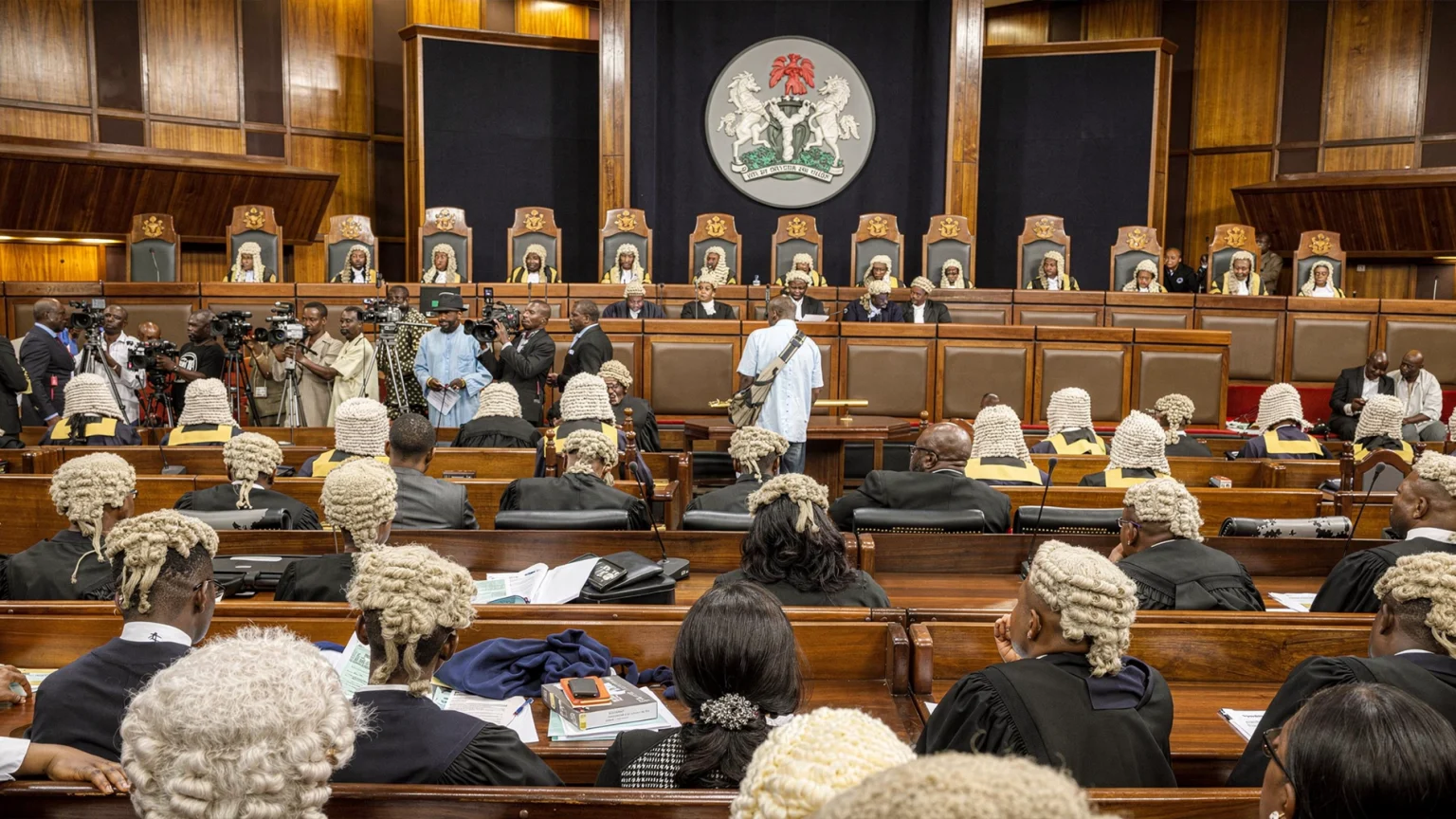
Nigeria鈥檚 opposition landscape faces a defining moment as the Supreme Court delivers judgement today on the leadership crises rocking the Peoples Democratic Party (PDP), Labour Party (LP) and African Democratic Congress (ADC), with potential ripple effects on preparations for the 2027 general election.
The apex court had fast-tracked the cases in view of the Independent National Electoral Commission (INEC) timetable, which outlines a tight window for party primaries and dispute resolution ahead of the polls.
According to INEC鈥檚 published schedule for the 2027 elections, party primaries are expected to hold between April 23 and May 30, 2026, leaving little room for prolonged legal uncertainty.
At the heart of the disputes are questions of legitimate leadership and internal control. In the PDP, the long-running controversy over the office of the National Secretary and broader factional alignments continues to test party unity. Analysts say the outcome will determine who has the legal authority to issue notices for congresses and primaries, a critical requirement under the Electoral Act.
The Labour Party is similarly entangled in leadership disagreements that have triggered multiple court actions in recent months, raising concerns about its organisational readiness.
The ADC, which has recently gained attention as a possible coalition platform, is also battling internal disagreements over recognised executives and decision-making authority.
Legal observers note that the Supreme Court鈥檚 intervention is pivotal, as its ruling will be final and binding, potentially settling months of uncertainty.
“Leadership legitimacy is not just symbolic. It determines compliance with electoral laws and the validity of candidates submitted to INEC,鈥� said Femi Falana (SAN).
The stakes are high. A clear affirmation of any faction could stabilise the affected parties, allowing them to move quickly to conduct congresses and primaries.
However, political watchers warn that even a decisive ruling may not immediately end internal grievances, which could still lead to defections or parallel alignments.
On the other hand, a judgement that nullifies existing structures may force an urgent reorganisation process. This could involve setting up caretaker committees or conducting fresh conventions within a compressed timeframe 鈥� a scenario that risks logistical challenges and further disputes.
An unclear or split decision could create deeper complications, potentially leading to multiple claims to party leadership and the emergence of parallel primaries.
Past electoral cycles in Nigeria have shown that such situations often result in the disqualification of candidates or prolonged litigation, weakening party chances at the polls.
Beyond the courtroom, political actors are already exploring contingency plans. Reports from within party circles suggest ongoing coalition talks and quiet negotiations among key stakeholders seeking stable platforms. This aligns with broader trends observed in previous election cycles, where alliances and defections intensify during periods of internal crisis.
Publicly, party leaders have maintained a calm posture, expressing confidence in the judiciary. Privately, however, there are indications of strategic repositioning, especially among aspirants wary of losing out due to legal technicalities.
With INEC鈥檚 guidelines emphasising strict adherence to timelines and due process, today鈥檚 ruling is expected to shape not just party leadership but the overall competitiveness of the opposition going into 2027.
As the judgrment unfolds, the real test will be how swiftly and effectively the affected parties align their structures with the law and present a united front in an increasingly time-bound electoral cycle.