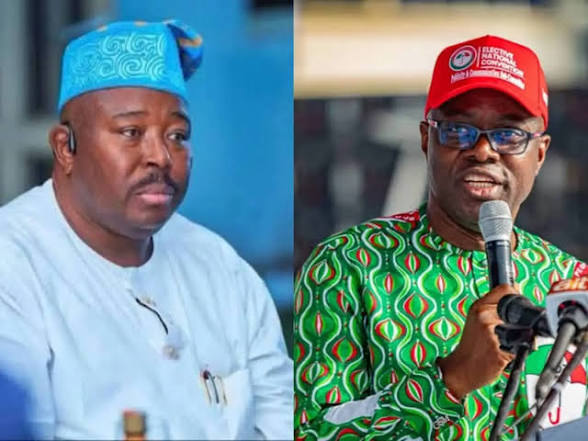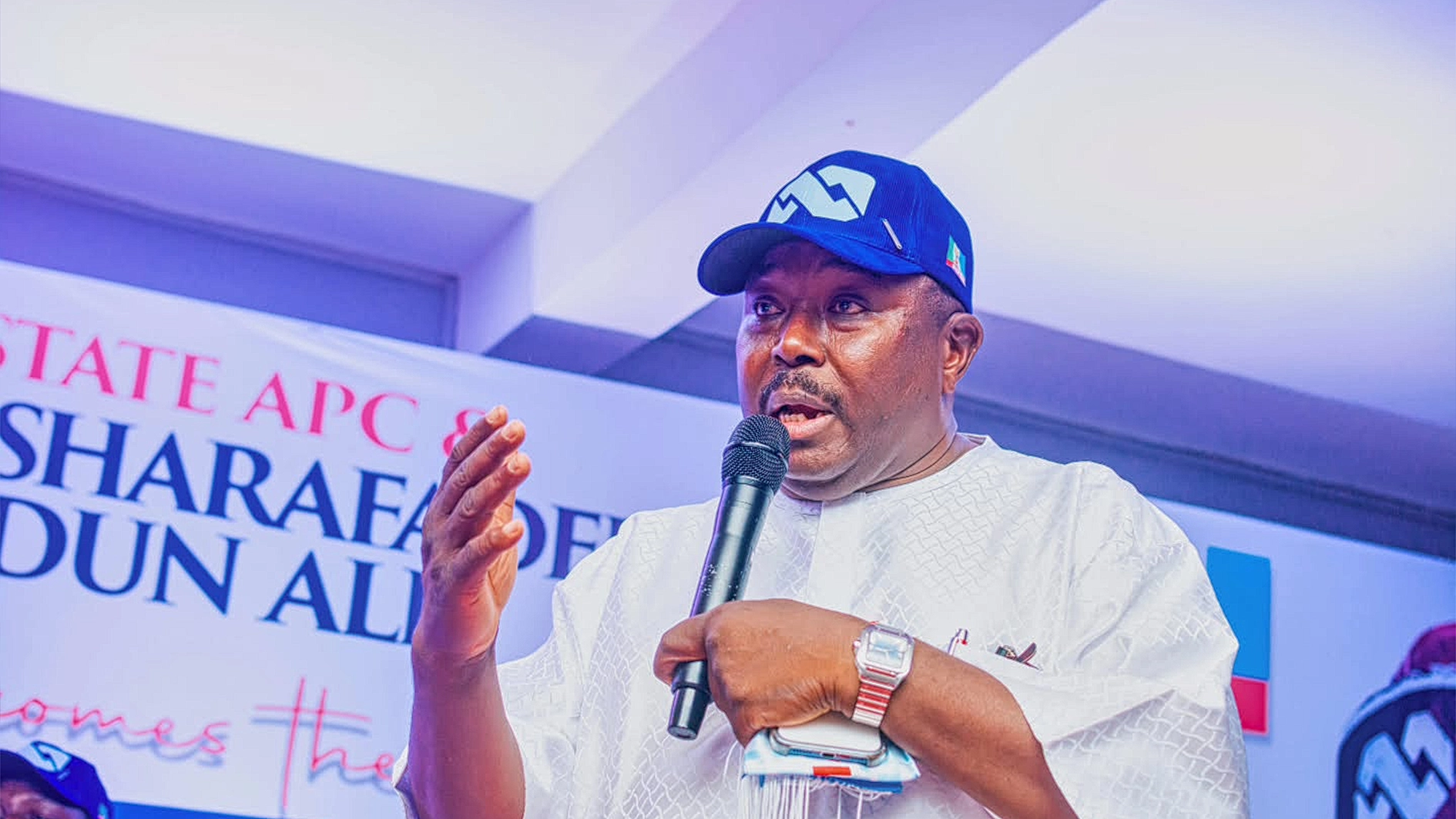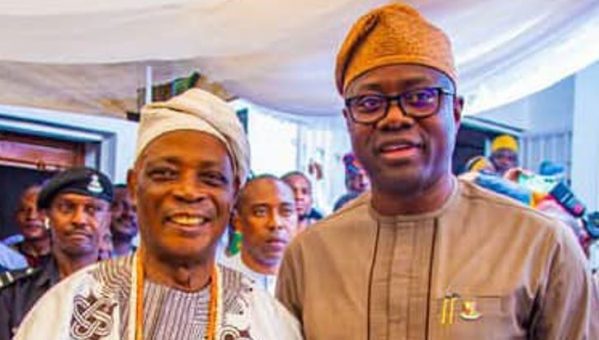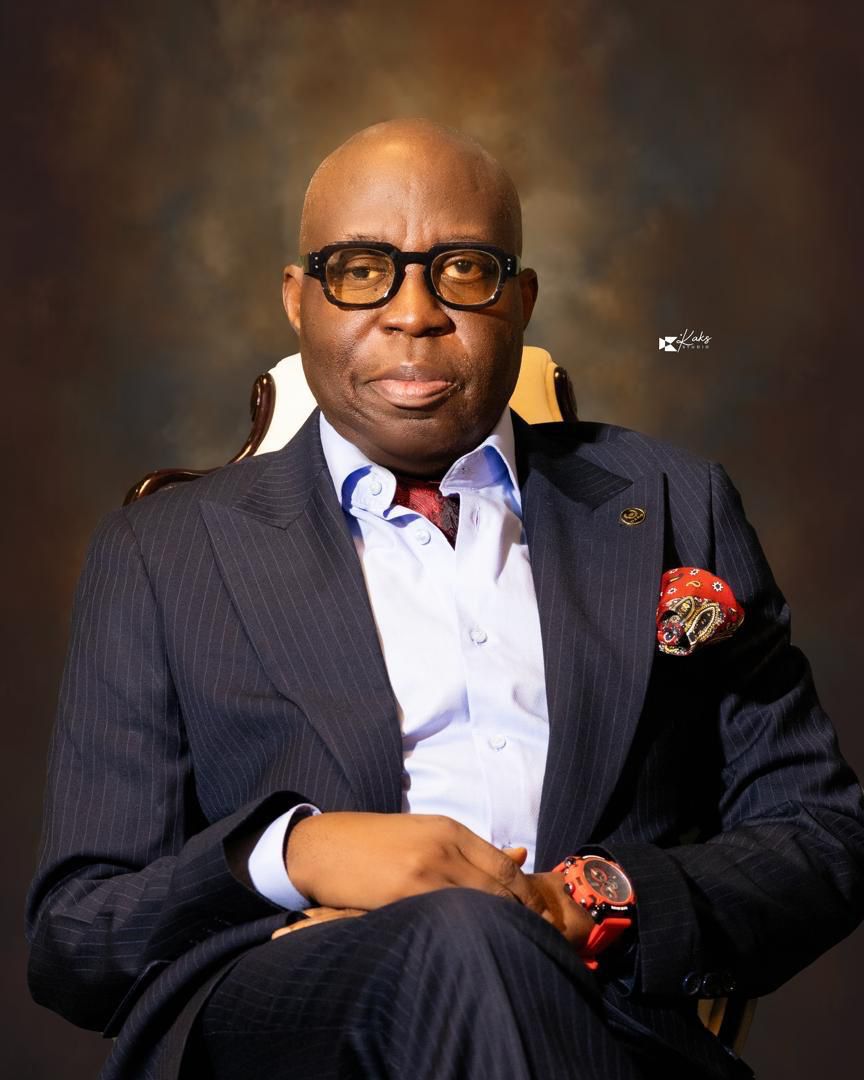










At 29, when many Nigerians are still searching for direction, Soji Rilwan Akanbi was already navigating the corridors of national power in Abuja. He was young, largely unknown, and thrust into a political arena dominated by seasoned heavyweights, power brokers, and presidential hopefuls. However, his rise was neither accidental nor entirely deliberate; it was the product of influence, timing, and one defining trait that would come to shape his political identity: the willingness to stand his ground when it mattered most. From the turbulent days of the Third Republic to the intricate alliances that define modern Nigerian politics, Akanbi鈥檚 story is not just about ascent; it is about survival, loyalty, and the cost of staying relevant.
Akanbi鈥檚 political story dates back to 1989/1990, nearly four decades ago, when he ventured into the arena at just 29 years old. His early involvement coincided with the transition periods that defined Nigeria鈥檚 return to democratic governance, particularly around the remnants and influences of the Third Republic. It was an era thick with ambition, ideological contests, and the reconfiguration of political loyalties.
Arriving in Abuja as a young legislator, Akanbi stepped into a high-stakes political environment where presidential ambitions were shaping alliances across party lines. The early 1990s political climate saw intense competition between platforms such as the SDP and its rival, the National Republican Convention. Within this atmosphere, members of the National Assembly became critical assets for presidential hopefuls seeking grassroots validation.
One defining episode from this period illustrates both Akanbi鈥檚 character and the political dynamics of the time. When the late Shehu Musa Yar鈥橝dua, popularly known as Tafida, sought the support of lawmakers for his presidential ambition, he provided each legislator with funds to mobilize support in their constituencies. While many complied, Akanbi鈥檚 experience in Ibadan revealed a different reality. His constituents, described as politically conscious and deeply rooted in Yoruba identity, rejected the directive and instead supported Chief Olu Falae.
Faced with this outcome, Akanbi made a decision that would later define his reputation. Rather than conceal the truth or retain the funds, he returned the money to Yar鈥橝dua and openly explained the situation in his constituency. This act of transparency did not go unnoticed. In a political culture often criticized for opportunism, his honesty earned him Yar鈥橝dua鈥檚 respect and trust.
That moment marked a turning point. Yar鈥橝dua not only returned the funds to him but also sought a deeper relationship, eventually visiting Ibadan to meet both Adedibu and Akanbi鈥檚 father. From there, Akanbi became closely associated with Yar鈥橝dua鈥檚 political structure, earning the nickname 鈥渉andbag,鈥� a colloquial expression reflecting his constant presence and loyalty within the camp.
Through this association, Akanbi gained unprecedented exposure to Nigeria鈥檚 political elite. He built relationships with figures who would later shape the country鈥檚 democratic trajectory, including former Vice President Atiku Abubakar, current President Bola Tinubu, and the current Olubadan of Ibadan, Oba Rashidi Ladoja. He also interacted with other influential personalities such as Iyorchia Ayu, Bode Olajumoke, and Kashim Imam. These connections, forged at a formative stage of his career, embedded him within a network that extended far beyond Oyo State. Along the line, Akanbi also met the late former Governor of Oyo State, Alhaji Lamidi Adesina, popularly called 鈥淕reat Lam,鈥� and contributed immensely to his emergence as governor under the Alliance for Democracy in 1999. He worked with him in various capacities during his administration.
He also worked with many major players during the Third Republic.
His exposure was not limited to one political bloc. As a member of the National Assembly, Akanbi encountered a diverse range of leaders across regions and ideologies, including Rabiu Kwankwaso, Orji Uzor Kalu, Baba Wande Abimbola, and Isiaka Adeleke. This cross-regional engagement broadened his political perspective and positioned him as a bridge between different currents within Nigeria鈥檚 evolving democracy.
Even within these elite circles, Akanbi was regarded as the 鈥渂aby of the house,鈥� a reflection of both his youth and the mentorship he received. His personal milestones also became collective moments within this network. Notably, his wedding drew the presence of prominent figures such as Moshood Abiola and Yar鈥橝dua, underscoring the depth of his integration into Nigeria鈥檚 political establishment.
Despite his track record in politics, Akanbi did not stop nurturing his energy, gas, tourism, and aviation businesses. His loyalty to the growth and development of the ancient city of Ibadan was rewarded by the late Olubadan of Ibadanland, Oba Saliu Adetunji, Ajeoniguguso I, who honoured him with the chieftaincy title of Okanlomo of Ibadanland in 2017.
However, the journey was not without turbulence. The political upheavals that followed, including the persecution and eventual death of Yar鈥橝dua, disrupted many of these alliances. Yet, Akanbi鈥檚 early exposure had already cemented his place within the national consciousness. He had moved from being a young entrant into politics to a participant in the inner workings of Nigeria鈥檚 power structure.
He maintained strong ties with over 120 associations, including artisans and market groups, reinforcing his reputation as a mobiliser who prioritises mass engagement.
His political philosophy has often been framed around loyalty to the people and a commitment to personal integrity. Those close to his career argue that his early experiences鈥攑articularly the decision to return Yar鈥橝dua鈥檚 campaign funds鈥攕et the tone for a cautious but principled approach to politics. In an environment where credibility is frequently contested, such narratives have become central to his public image.
Now, as Nigeria鈥檚 politics grow even more complex and, at times, unforgiving, the real question is no longer how Soji Rilwan Akanbi rose; it is what his journey now demands of the present. The young lawmaker who once chose integrity over convenience, returning campaign funds in defiance of political expectations, is no longer just a participant in the system; he is a product of its deepest networks, toughest seasons, and most defining relationships.
Decades after navigating the charged atmosphere of the Third Republic and building alliances with figures who would go on to shape Nigeria鈥檚 democratic trajectory, Akanbi stands as more than a relic of a past era; he represents continuity, experience, and tested political maturity. His longstanding grassroots connection, coupled with his exposure to national power dynamics, places him in a rare category of politicians who understand both the street-level pulse of the people and the high-level negotiations of governance.
Which then raises a compelling question for Oyo State鈥檚 political future: should a figure with such depth of experience, far-reaching relationships, and a record of strategic loyalty not be seriously considered for higher political responsibility as 2027 approaches? In a time when leadership is often reduced to rhetoric and fleeting popularity, Akanbi鈥檚 journey suggests something more enduring: a capacity not just to win elections, but to gain power, build consensus, and deliver representation that is both responsible and effective. If leadership is ultimately about experience, networks, and the ability to command trust across divides, then the case for Soji Rilwan Akanbi is not just persuasive; it is difficult to ignore.
Daniel Akinkunmi writes from Ibadan, Oyo State.