









By Emmanuel Adeleke
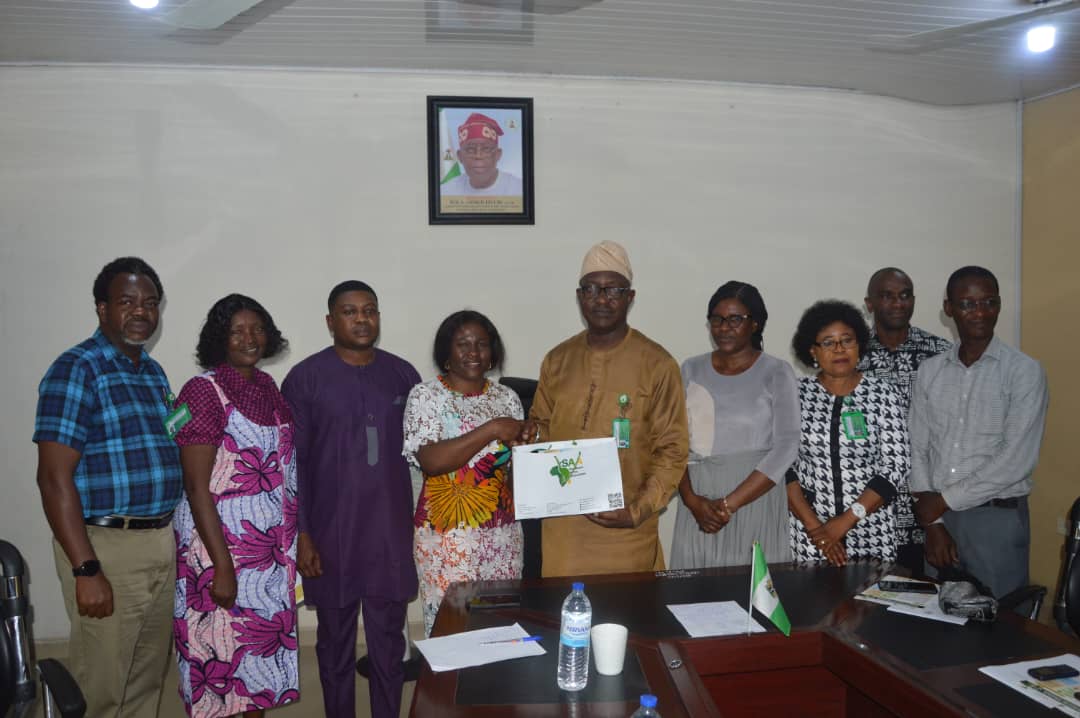
In a bid to improve information access for farmers across Nigeria, the Sasakawa Africa Association (SAA) has organised a stakeholders’ workshop on Digital Agriculture Extension Services (DAES).
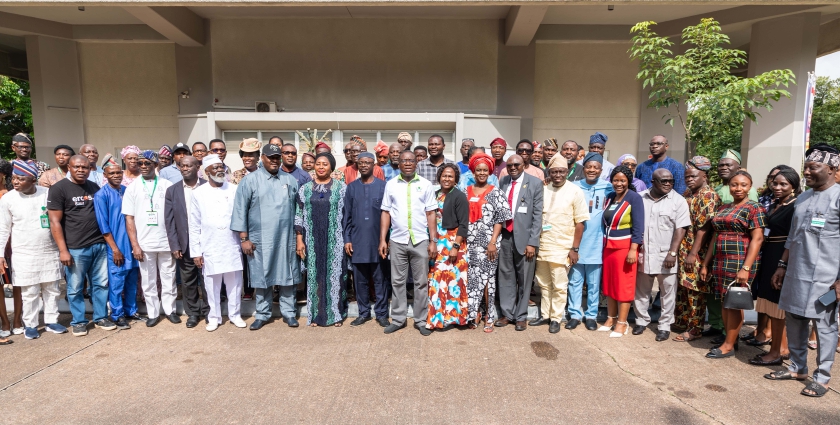
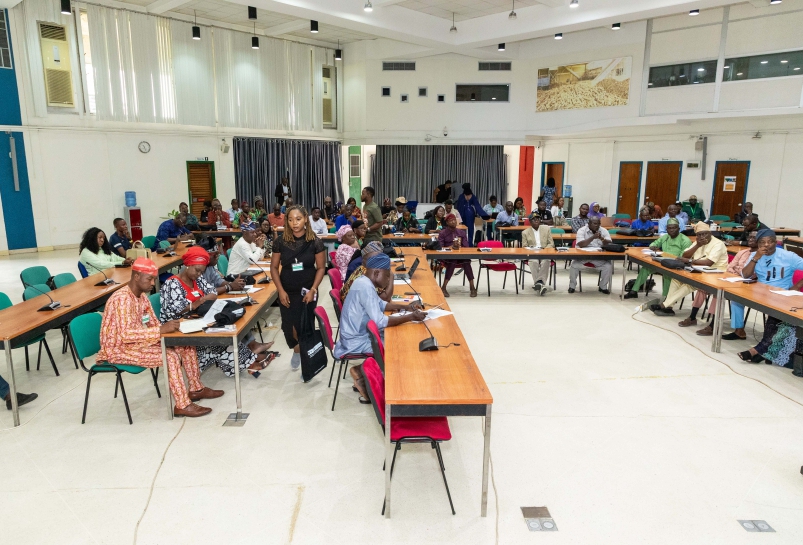
The workshop, held on Thursday at the IITA Conference Centre, was convened under the Nigeria Public-Private Partnership Artificial Intelligence–Enabled Digital Advisory Planning initiative. The initiative seeks to strengthen Nigeria’s agricultural sector through a collaborative Public-Private Partnership (PPP) that leverages digital tools to enhance productivity, efficiency and inclusion. It also aims to improve service delivery, coordination and outcomes across the value chain while building sustainable models that empower farmers and agricultural institutions.
Speaking at the event, SAA Country Director, Dr. Godwin Atser, said the association, funded by the Bill and Melinda Gates Foundation, was working on developing an AI-enabled platform to enhance access to agricultural information.
“We are developing an AI-enabled platform that will be accessible to both the literate and the illiterate, to women, youths and everyone. We understand that we cannot do this alone. We need the Public-Private Partnership; we need everybody to come together to agree on the use of the platform,� Atser said.
Represented by the Technical Coordinator, Capacity Grading, Dr. Anjolaoluwa Fadairo, Atser noted that SAA, an extension-based organisation, has a footprint in about 22 states with country offices in Abuja and Kano.
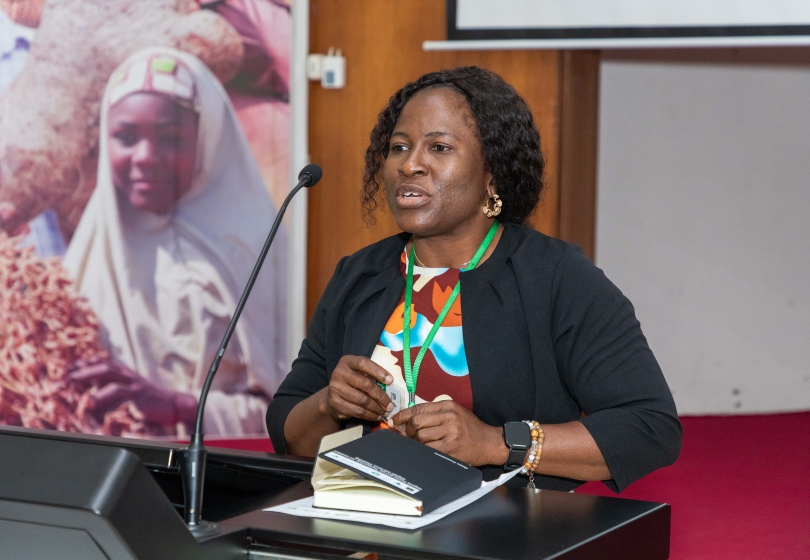
“As our name suggests, we prioritise extension information to farmers. We have been around for close to 40 years. We strengthen extension institutions in all the countries where we operate. In Nigeria, we partner with educational institutions to train extension workers, and we also work in communities,� Fadairo explained.
She said the project was initiated in 2024 by the African Forum for Agricultural Advisory Services (AFAAS), with partners including Sahel Consortium, Africapractice and Extension Africa.
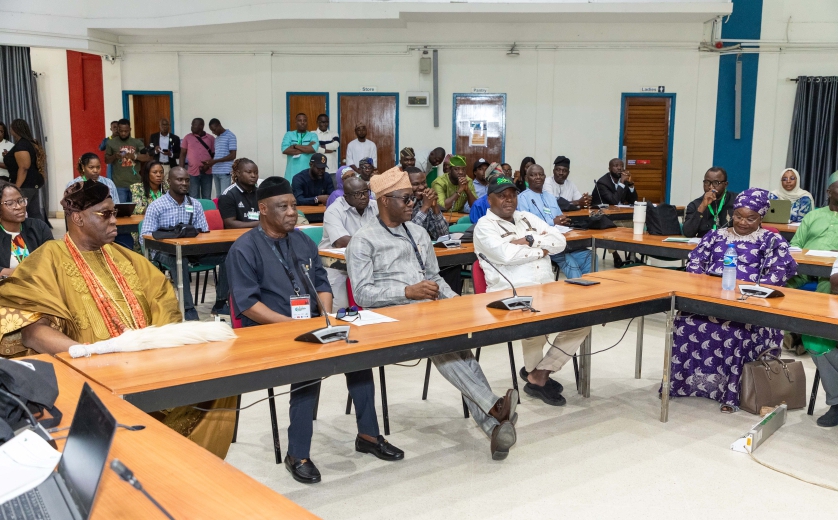
“We want to identify solutions to extension information gaps among farmers. We have observed a digital gap, and that is what the AI platform is designed to address. It has not been perfected; we are still gathering information to equip it. The platform is being designed to bridge the digital gap in extension information.
“We are considering cost, geographical access, gender and all the variables hindering information access,â€� she added.
Fadairo said SAA is leading the workshop because it is part of the consortium that secured funding from the Gates Foundation.
“As you can see, we have the governor in attendance, and he has personally given his verbal consent to this platform. He asked us to come with a written document that he will sign, and that has given us full assurance that the project will prosper in Oyo State,� the Technical Coordinator said.
She urged farmers to embrace self-development and use their mobile phones more actively.
“We have gone past the era where farmers wait for extension workers. Extension workers are too few. The average ratio in Nigeria is 1 extension worker to 10,000 farmers, which is abysmally low. Farmers need to seek information themselves. Almost all farmers have mobile phones, and mobile phones are enablers of digital use. If they can call family members across the world, they should also be able to access agricultural information,� she said.
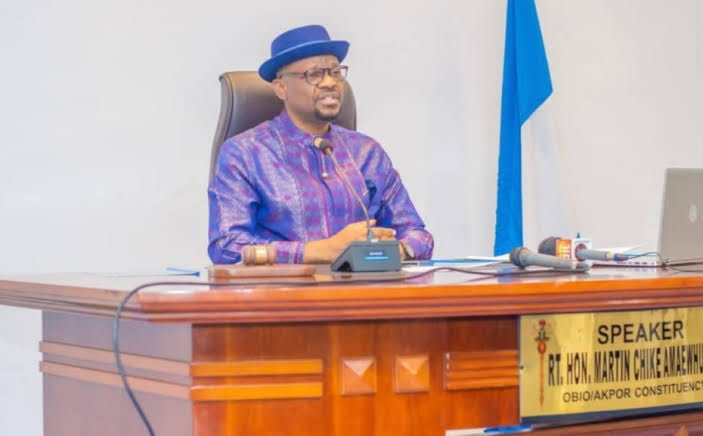
In his remarks, Oyo State Governor, Seyi Makinde, said agribusiness remains a key driver of economic growth and a pathway from poverty to prosperity.
“Our commitment as an administration remains strong. I have 17 months left in office, but in those 17 months, we will continue to serve the people of Oyo State till the last moment of the last day.
“If you have anything to contribute, be sure that we will be responsive and process the information adequately. For those who want to partner with Oyo State, come and be my guest on this journey,â€� Makinde said.
Also speaking, the Vice Chancellor, University of Ibadan, Professor Kayode Adebowale, lamented Nigeria’s low agricultural productivity, attributing it partly to poor uptake of science, technology and innovation.
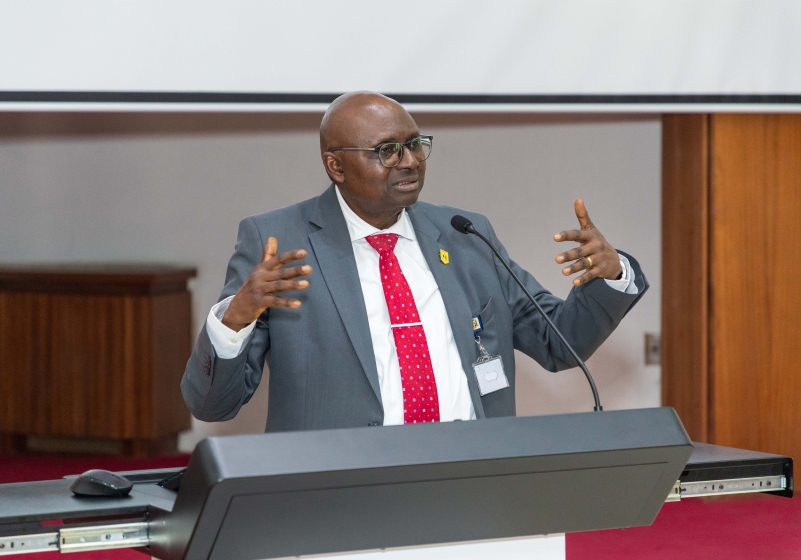
“One of the challenges we face in our agricultural process is extremely low productivity, even though more than 70% of the population is involved in agriculture.
“In countries like Israel, only about 3.5% are involved in agriculture, and they still export.
We have low literacy levels, and although we have agricultural research output, those who should distill this information to smallholder farmers are either non-existent or weak,� he said.
He recalled past World Bank interventions in agricultural extension, noting that Nigeria failed to sustain the structures after donor exit.
“Our agricultural productivity must improve. Extension workers are supposed to bridge the literacy gap by speaking the farmers’ language. I commend Sasakawa for this initiative. The University of Ibadan is ready to handshake with this project,� he said.
The vice chancellor stressed that with proper guidance, farmers’ productivity would significantly increase.
“This initiative requires stakeholders. Government must be involved. Research is essential so we can generate the right information for farmers,� Adebowale added.
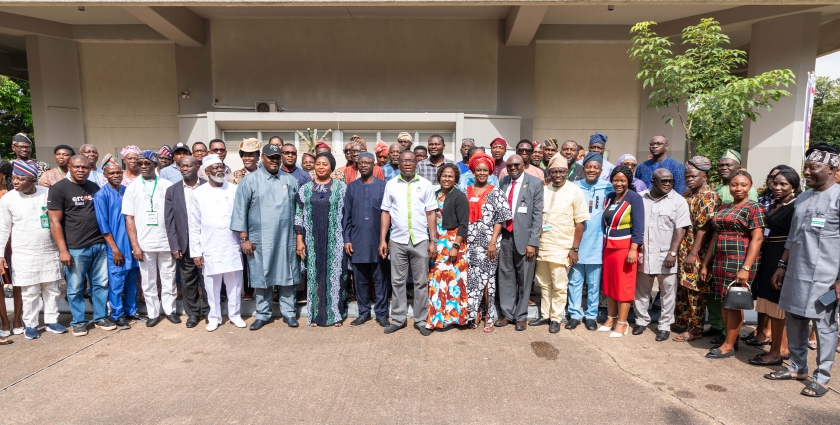
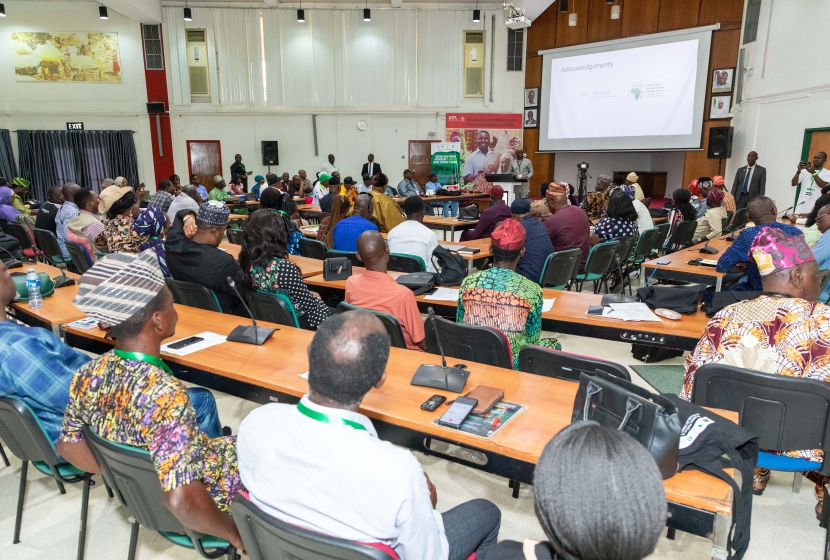
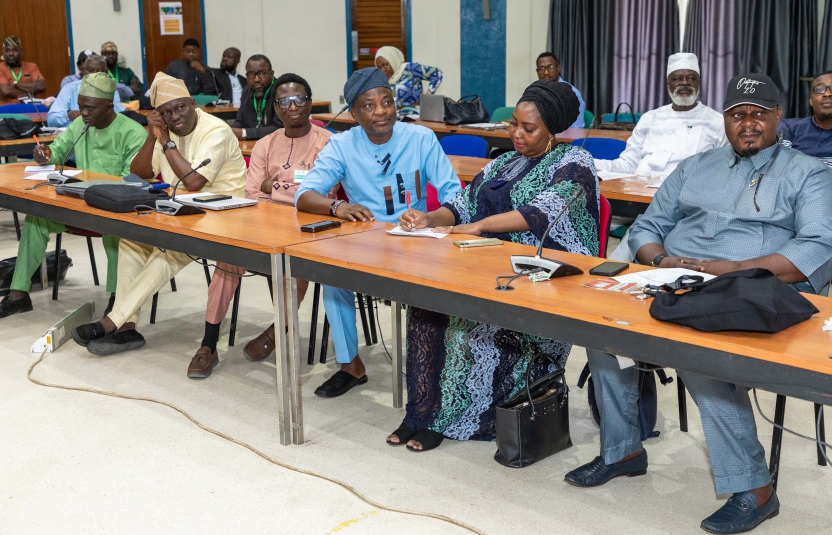
The workshop brought together four key groups: government actors, farmers, private-sector players, and development partners, as well as academia and researchers across Oyo State.