Akinwande Soji-Ojo
In the heart of Nigeria’s oil-rich Rivers State has become a focal point of political turbulence, with Governor Siminalayi Fubara at its center. Since his inauguration in May 2023, Fubara’s administration has been marred by escalating tensions, power struggles, and a series of confrontations that have left the state’s political landscape deeply fractured.
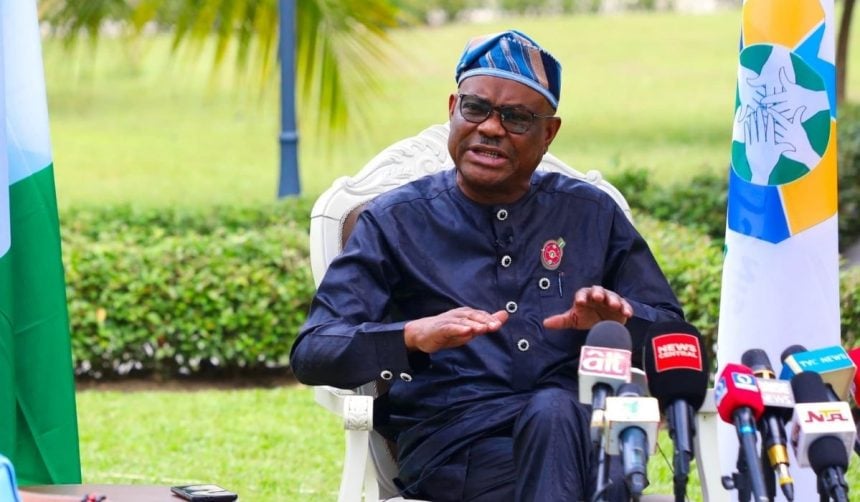
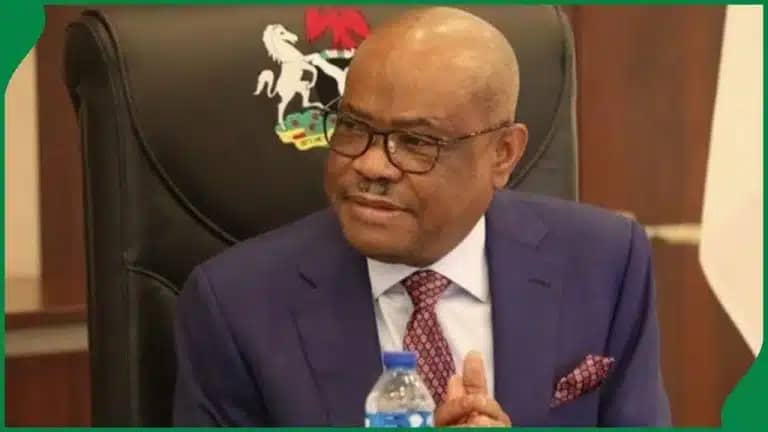
The genesis of the crisis can be traced to a rift between Fubara and his predecessor, Nyesom Wike, now the Minister of Federal Capital Territory. Once allies, their relationship soured over disagreements on the control of the state’s political structure. This discord has permeated various facets of the state’s governance, leading to a polarised political environment.
The Rivers State House of Assembly, under the leadership of Speaker Martin Amaewhule, has been a battleground for this power tussle. In a bold move, the assembly issued a 48-hour ultimatum to Fubara, demanding the dismissal of all commissioners and the submission of new nominees for confirmation. This was after the assembly had given the governor a 48-hour ultimatum to represent the 2025 budget. This unprecedented directive was met with staunch resistance from the executive arm, with officials accusing the legislators of overstepping their constitutional boundaries and exacerbating the political crisis.
Amid these institutional clashes, the state has witnessed alarming incidents of violence. In Elele, gunmen opened fire on a peaceful assembly of youths believed to be supporters of Fubara, resulting in injuries and heightening fears of widespread unrest. Such attacks underscore the volatility of the current political climate and the potential for further escalation if tensions are not promptly addressed.
The judiciary has not been insulated from the turmoil. Recent Supreme Court verdicts on lingering political cases from Rivers State have attempted to provide clarity, but their effectiveness in quelling the unrest remains uncertain. Legal experts argue that while these judgments are pivotal, they may not suffice to resolve the deep-seated issues fueling the crisis.
Fubara has publicly addressed the situation, attributing the crisis to a struggle over control of state resources. He has called for the support and prayers of Rivers residents, expressing his commitment to steering the state through these turbulent times. Despite the mounting challenges, Fubara remains resolute, stating that he is not intimidated by the unfolding events and is prepared to face any outcome, even if it means leaving office.
The economic implications of the political instability are profound. Rivers State, being a significant contributor to Nigeria’s oil production, risks economic downturn if the crisis persists. Investors may become wary, and developmental projects could stall, affecting the livelihoods of millions and the overall economic health of the region.
Civil society organisations and community leaders have called for dialogue and reconciliation. They emphasise the need for all stakeholders to prioritise the state’s welfare over personal or political ambitions. The collective hope is for a peaceful resolution that will restore stability and foster development in Rivers State.
As Rivers State stands at this critical juncture, the actions of its leaders in the coming days will be pivotal. The path they choose could either deepen the crisis or pave the way for a new era of political stability and economic prosperity. The nation watches closely, hoping for a resolution that will uphold democratic principles and serve the best interests of the people.
While Fubara’s resilience in the face of adversity has been both lauded and critiqued, his leadership during this period will undoubtedly define his legacy and set a precedent for handling political disputes in the region.
Only time will tell if Rivers State can emerge from this storm stronger and more unified.