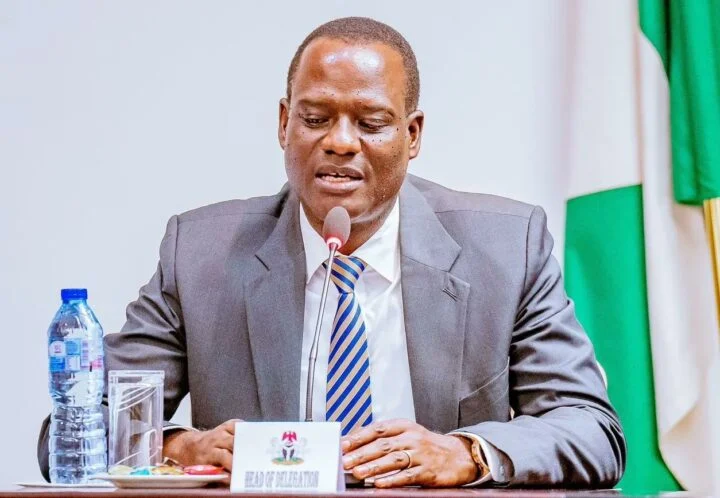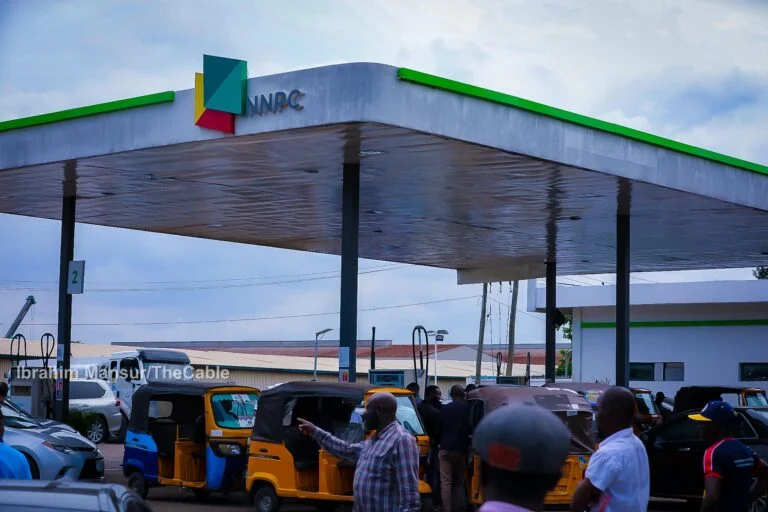










The recent overhaul of the NNPC Limited board and management by President Bola Tinubu is not merely an administrative reshuffle鈥攊t is a decisive intervention in the national interest, aimed at rescuing the country鈥檚 most strategic public enterprise from systemic rot and institutional capture.
The necessity of these appointments stems from the deeply troubling legacy of the Mele Kyari-led management, under which NNPC degenerated into a citadel of opacity, financial malpractice, and operational inefficiency, despite the transformative intent of the Petroleum Industry Act (PIA) 2021.
Under Kyari鈥檚 leadership, NNPC Limited failed to meet even the most basic standards of corporate governance and transparency expected of a commercially oriented national oil company.
Year after year, billions of dollars in crude oil revenues were either unremitted, underreported, or misapplied under various opaque arrangements. The so-called fuel subsidy regime, for which NNPC served as the primary disbursing agency, became a fiscal sinkhole鈥攃haracterised by gross overstatements, non-existent verification mechanisms, and allegations of fictitious volumes and round-tripping. Meanwhile, critical investment decisions stalled, upstream output declined, and the country was left unable to take full advantage of high oil prices due to mismanagement and leakages.
The transition of NNPC into a limited liability company was supposed to signal a new era of commercial discipline and accountability. Instead, Kyari鈥檚 tenure saw the entrenchment of old habits under a new corporate guise. The company evaded scrutiny by withholding audited statements, failing to engage meaningfully with shareholders鈥攖he Nigerian people鈥攁nd resisting structural reforms under the guise of national security or market sensitivity. This undermined investor confidence, constrained capital inflow into the sector, and left Nigeria鈥檚 oil and gas value chain in a state of arrested development.
At this critical juncture鈥攚here Nigeria must stabilise its fiscal base, accelerate gas commercialisation, attract investment, and align with global energy transition trends鈥擭NPC cannot continue to be a drain on the treasury or a bastion of unaccountability. The new board and management, appointed with careful consideration of technical competence, ethical standing, and regional representation, bring with them a renewed mandate: to clean house, rebuild trust, and reposition NNPC as a truly performance-driven national oil company.
This moment marks the beginning of a long-overdue shift鈥攆rom rent-seeking to value creation, from secrecy to transparency, and from institutional stagnation to strategic renewal. It is a necessary turning point for NNPC, and by extension, for Nigeria鈥檚 economic future.
-Mohammed is a finance and public affairs analyst