









After more than 23 years working across international development, from fragile states to emerging economies, one lesson has remained constant: narratives shape policy far more than facts. In high-level meeting rooms from New York to Geneva, I have seen how deeply entrenched perceptions about Africa are, often baked into the minds of policymakers, analysts, and even well-meaning advocates. These narratives tend to default to the negative: conflict, corruption, fragility, and crisis. Yes, these challenges exist. But when a continent of 1.4 billion people is consistently framed through a narrow lens of dysfunction, the result is not just distortion. It is a profound disservice to the opportunities, resilience, and innovation that define much of Africa鈥檚 lived reality.
This imbalance is not accidental. It is the product of decades of storytelling in which Africa has rarely been the author of its own image. In my work, I have watched promising reforms dismissed because they did not fit pre-existing assumptions. I have seen complex security dynamics reduced to simplistic binaries. And I have witnessed how quickly misinformation can harden into 鈥渃ommon knowledge鈥� when left unchallenged. The power of narrative is real, and when Africa does not actively shape its own story, others will gladly do it, often with their own agendas in mind.
Nigeria is a prime example. Despite being one of the continent鈥檚 most dynamic economies and democracies, it is frequently portrayed in international discourse as a perpetual crisis zone. This narrative has only intensified in recent years, especially in U.S. policy circles, where claims of a so-called 鈥淐hristian genocide鈥� have gained traction. These claims flatten Nigeria鈥檚 complex security landscape into a misleading religious frame, ignoring the fact that violence affects communities across faiths and regions. They also overlook the structural drivers鈥攃limate pressures, criminality, land-use conflicts, and governance gaps鈥攖hat shape insecurity.
Meanwhile, Nigeria has been undertaking some of the most far-reaching economic reforms in its recent history. Under President Bola Ahmed Tinubu, the government has embarked on painful but necessary measures aimed at stabilizing the economy, restoring investor confidence, and setting the country on a more sustainable path. These reforms are not cosmetic; they are foundational. Yet in many international conversations, they barely register. The dominant narrative remains one of dysfunction rather than transformation.
This disconnect is not simply unfortunate. It is costly. Perception influences investment flows, diplomatic engagement, and policy decisions. When Nigeria is misrepresented, Nigerians pay the price.
This is why the government鈥檚 recent decision to hire a lobbying firm in the United States is not only defensible but essential. For too long, Nigeria has allowed others鈥攄iaspora activists, separatist groups, advocacy networks, and even commercial interests鈥攖o define its image in Washington. Some of these actors, including Biafran advocacy groups, have invested heavily in shaping U.S. opinion in ways that undermine Nigeria鈥檚 cohesion and credibility. They understand the power of narrative. Nigeria, until now, has not responded with equal seriousness. Filling that gap is not a luxury. It is a strategic necessity.
After more than two decades in this field, I have learned that countries that fail to shape their own narratives eventually become defined by others. Nigeria has lived this reality for far too long. The absence of ambassadors in key missions, the lack of coordinated strategic communication, and the assumption that 鈥渢he truth will speak for itself鈥� have all contributed to a vacuum that others have eagerly filled.
The decision to hire a lobbying firm signals a shift from reactive diplomacy to proactive engagement. It acknowledges that Nigeria must be present in the rooms where narratives are shaped, policies are drafted, and perceptions are cemented. It recognises that influence is not granted; it is earned, cultivated, and defended.
Nigeria deserves to be understood in its full complexity鈥攊ts challenges, yes, but also its reforms, its resilience, and its immense potential. Reclaiming that narrative is not just smart diplomacy; it is an act of national self-respect and self-defence.
And after 23 years of watching how narratives shape outcomes, I can say this with certainty: Nigeria is finally moving in the right direction.
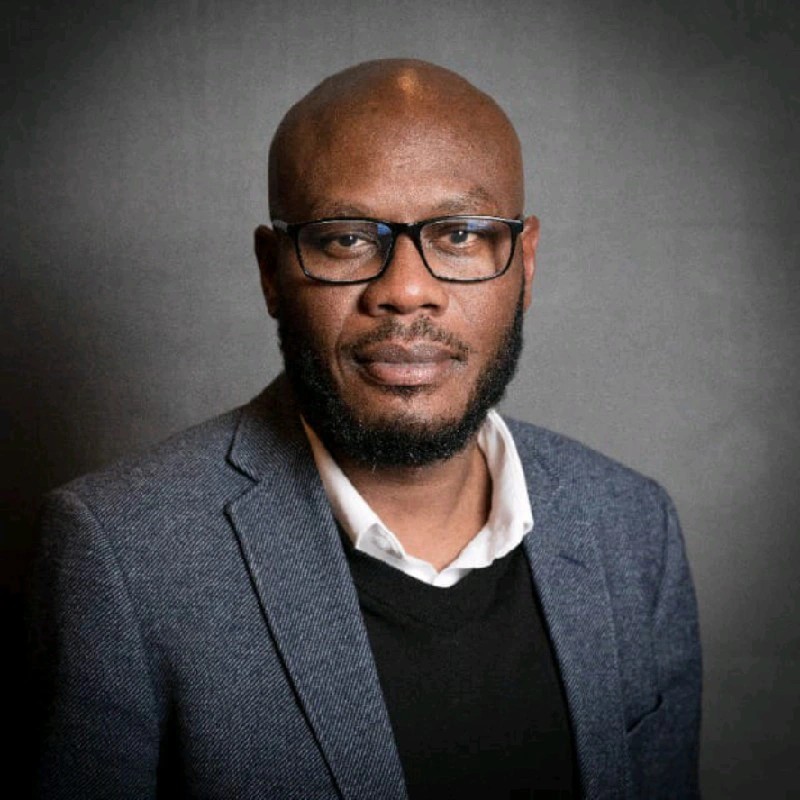
Dr. Wale Osofisan, PhD is a seasoned governance strategist and policy analyst with over 23 years of experience advancing African-led, evidence-based solutions to political economy issues, humanitarian crises, and development challenges.