By Akinwande Soji-Ojo
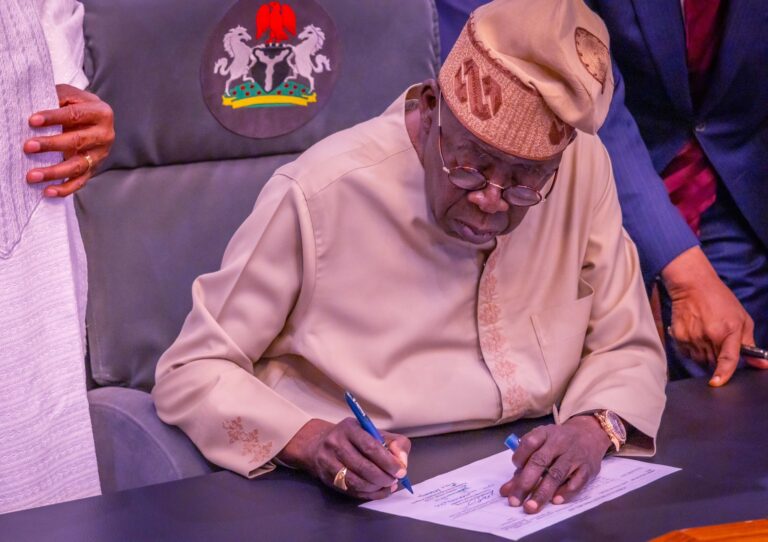
President Muhammadu Buhari will sign the re-worked Electoral Act Amendment Bill in a matter of hours.
The Special Adviser to the President on Media and Publicity, Mr Femi Adesina, disclosed this on Tuesday while speaking on Channels Television programme, ‘Sunrise Daily.’
鈥淗e (Buhari) will sign it (the bill) any moment from now.It could be today, it could be tomorrow, it could be anytime, but within the 30 days.
鈥淚t could be signed today; it could be signed tomorrow. In a matter of hours, not days. Hours could be 24 hours, it could be 48 hours; not days, not weeks,鈥� he said.
The development comes nearly a month after the National Assembly passed the harmonised version of the bill.
The bill, which was passed on January 25, was transmitted to Buhari a week after.
Weeks after receiving the bill, the President has yet to give his assent, an action that has sparked an outcry from critics who fear he might reject it again.
Defending his principal, Adesina slammed those accusing the President of delaying the signing of the bill, stressing that the president’s action was still within the requirements of the Constitution.
He stated that it would only be appropriate to say President Buhari has acted against the law if it exceeds the 30-day window provided by the law.
鈥淵ou know before the President will put pen to paper on any legislation, particularly this one that has to do with our electoral fortunes, it has to be looked at and looked at.
鈥淗e has to buy opinions from different stakeholders and having been satisfied that the necessary due diligence had been done and he will not be making any error, then he will sign it, and I tell you that Nigerians will get to hear about this bill in hours,鈥� Adesina added.
Buhari had withheld his assent to the bill in November 2021, citing the cost of conducting direct primary elections, security challenges, and possible manipulation of electoral processes by political players as part of the reasons for his decision.
He, however, gave some conditions to give his assent, prompting the lawmakers to re-work the bill which initially led to the emergence of two versions from the green and red chambers of the assembly.
While the House re-amended the bill to include the direct and indirect primary options, the Senate re-adjusted to include the direct, indirect, and consensus modes of selecting candidates for political parties.
Both chambers, thereafter, passed the harmonised version of the amendment to Clause 84 of the bill.
This included the direct, indirect, and consensus primary modes of nominating candidates by political parties for elections.