









Akinwande Soji-Ojo
The Pentecostal Fellowship of Nigeria (PFN) has urged President Bola Tinubu to withhold assent to the Federal Road Safety Corps (FRSC) Amendment Bill, 2026, arguing that the proposed legislation banning preaching in commercial vehicles is discriminatory and specifically targets Christians.
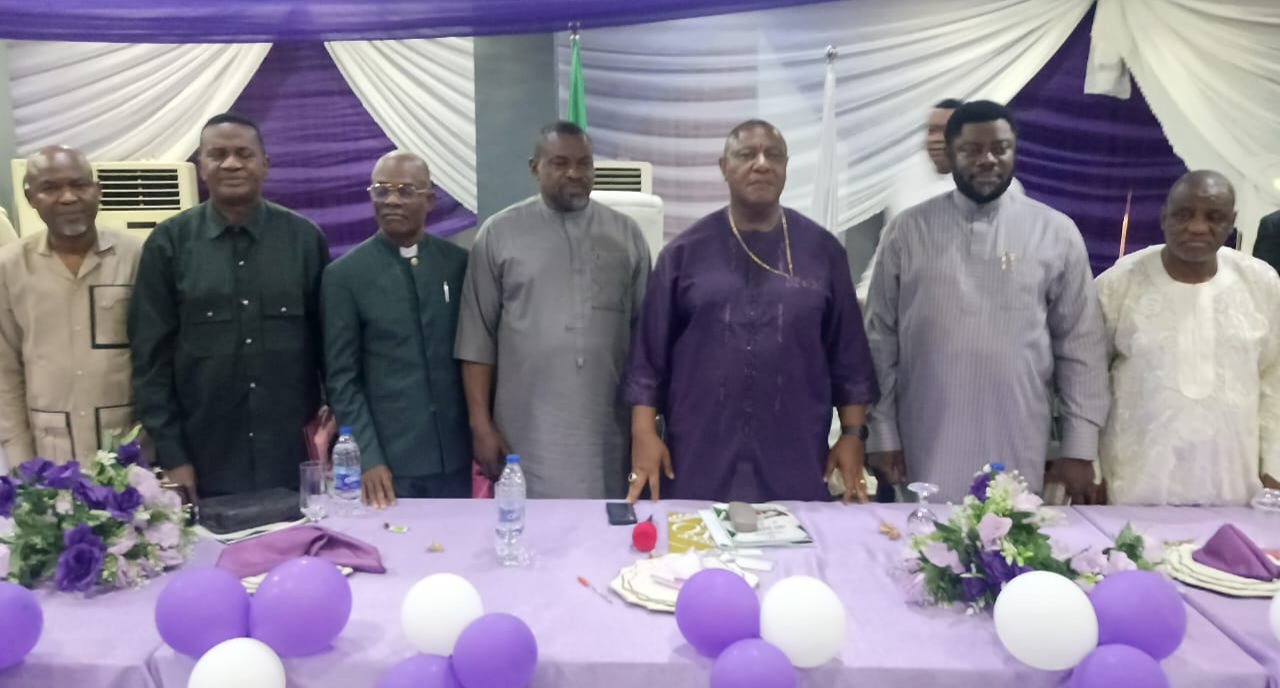
The PFN’s position was made known on Thursday by its National Secretary, Bishop David Bakare, while briefing journalists after the fellowship’s third-quarter National Executive Council (NEC) meeting in Lagos.
The appeal comes days after the Senate passed the Federal Road Safety Corps (Amendment) Bill, 2026, which proposes a 鈧�50,000 fine, six months’ imprisonment, or both, for anyone convicted of hawking, trading or preaching inside commercial vehicles.
The bill, which seeks to strengthen road safety enforcement and curb activities considered capable of distracting drivers, also prescribes the same penalty for motorists who refuse to cooperate with FRSC officials during roadside breath tests conducted on reasonable suspicion.
Lawmakers said the amendment is aimed at improving compliance with traffic regulations, reducing road crashes and enhancing the safety of commuters through stiffer penalties for traffic offences.
Bakare, however, said while the PFN appreciates the efforts of the FRSC and the National Assembly to improve road safety, it believes the proposed legislation is unnecessary and could fuel avoidable religious tension.
“We appreciate the intention of the Federal Road Safety Corps and the National Assembly to strengthen road safety. However, we believe this proposed legislation is unnecessary and capable of creating avoidable religious tension in a country as sensitive as Nigeria,” he said.
According to him, Nigeria is grappling with more pressing challenges that should occupy the attention of lawmakers.
“Nigeria today is battling insecurity, hunger, unemployment and economic hardship. These are the issues that should engage the attention of lawmakers, not a law that appears to criminalise peaceful preaching,” Bakare said.
The PFN National Secretary questioned the rationale behind classifying preaching inside commercial vehicles as a traffic offence, saying there was no evidence that such activities had resulted in road crashes or distracted drivers.
“There is no evidence before Nigerians that preaching in commercial vehicles has caused road crashes. If the concern is distraction, then every form of distraction should be addressed, not one that gives the impression that Christians are being singled out.
“The Constitution guarantees freedom of religion and freedom of expression. Any law that appears to restrict those rights must be approached with great caution,” he said.
He further expressed concern over reports that the bill could be awaiting presidential assent without completing the legislative process.
“We are also worried by reports that the bill is awaiting presidential assent without completing the legislative process, including concurrence by the House of Representatives. If that is the case, due process must be followed,” Bakare said.
The PFN appealed to Tinubu to return the bill for wider consultation rather than sign it into law, insisting that stakeholders likely to be affected should be given the opportunity to make their contributions.
“We do not want confrontation with the government. We only appeal to Mr President to return the bill for wider consultation. Stakeholders should be heard. Otherwise, Christians will naturally see it as an attempt to restrict their constitutional right to preach the Gospel peacefully,” he said.
Responding to questions after the briefing, Bakare also called on the Federal Government to sustain the fight against insecurity by intensifying operations against bandits, while urging lawmakers to prioritise legislation that addresses poverty, insecurity and the welfare of Nigerians.
On the issue of another Muslim-Muslim presidential ticket in the 2027 election, he said the church had not changed its position, adding that journalists should refer to the PFN’s previous statements on the matter.