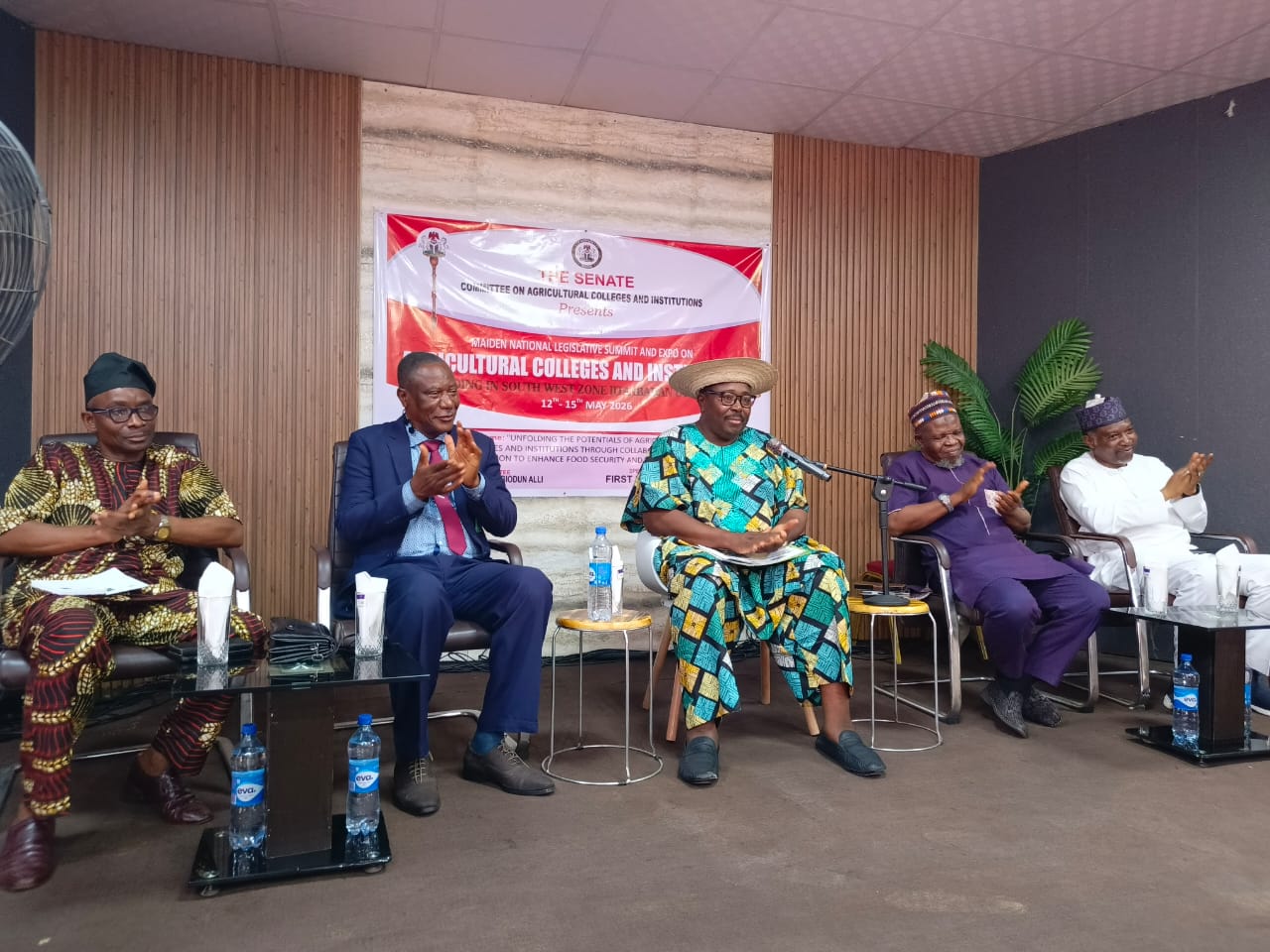










Nigeria鈥檚 First Lady, Senator Oluremi Tinubu, foreign partners, and research institutes are expected to attend the Senate鈥檚 maiden National Legislative Summit and Expo on Agricultural Colleges and Institutions in the South West Zone, scheduled to hold at the International Institute of Tropical Agriculture (IITA), Ibadan.
The four-day summit will run from May 12 to 15, 2026, with the theme: 鈥淯nfolding the potentials of agricultural colleges and institutions through collaborations and innovations to enhance food security and job security.鈥�
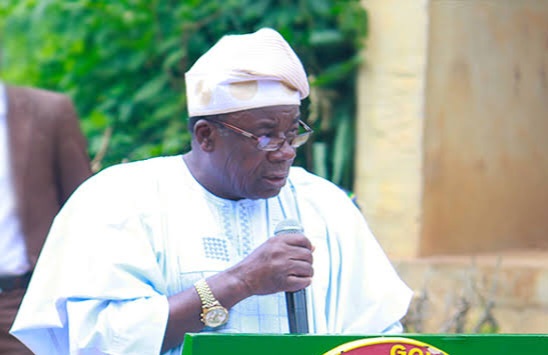
Speaking during a press briefing at the Nigeria Union of Journalists (NUJ) Press Centre, Iyaganku, Ibadan, on Monday, Chairman of the Senate Committee on Agricultural Colleges and Institutions, Senator Sharafadeen Alli, said the summit was designed to strengthen Nigeria鈥檚 agricultural sector through legislation, collaboration, and research-driven innovation.
According to him, the initiative became necessary following a retreat organised by the committee in December with support from development partners, including PLAC and United Kingdom-based collaborators.
He explained that the summit would focus on improving food security through stronger legislative frameworks for agricultural institutions, research centres, and agencies across the country.
Alli lamented the disconnect between local farmers and agricultural research institutes, noting that many farmers were unaware of improved seedlings, modern farming methods, and technological innovations developed by Nigerian researchers.
He cited improved cocoa varieties capable of fruiting within 18 months, compared to the traditional seven-year period, as well as improved cassava varieties developed by research institutes.
Alli disclosed that over 28 agricultural institutions and about 12 embassies, including the European Union, GIZ, the British High Commission, and the Malaysian Embassy, are expected at the summit. He added that agricultural desk officers from several embassies would participate to explore areas of partnership and international collaboration.
Expressing concern over Nigeria鈥檚 declining agricultural fortunes, the senator said: 鈥淢alaysia obtained oil palm seedlings from Nigeria decades ago but has since surpassed the country in palm oil production.鈥�
He attributed part of the challenges confronting the agricultural sector to poor policy implementation, inadequate support for research institutions, and social divisions distracting national development.
Alli further revealed ongoing partnerships with development organisations aimed at supporting farmers and unemployed youths through mechanised farming support, land preparation, harvesting assistance, and market access.
鈥淭he initiative targets young people and women to encourage greater participation in agriculture and reduce unemployment,鈥� he added.
The senator also disclosed that solar-powered dryers had been introduced in some communities to reduce post-harvest losses and improve food preservation.
Alli called on journalists to give the summit wide publicity to attract greater attention to the challenges facing agricultural institutions and the need for increased government support and funding.
Earlier, Chairman of the Nigeria Union of Journalists (NUJ), Oyo State Council, Comrade Akeem Abas, described the summit as a timely intervention capable of boosting food security and agricultural productivity in Nigeria.
鈥淭he presence of about 64 media organisations at the parley reflects the confidence journalists have in the senator鈥檚 initiatives,鈥� hw said.
Abas expressed optimism that the summit would produce outcomes capable of positioning Nigeria as a major agricultural force in Africa.
Also speaking, the Executive Director of the National Horticultural Research Institute (NIHORT), Professor Mohammed Lawal, described the summit as the first of its kind in Nigeria鈥檚 agricultural research sector.
He said the event would strengthen legislative frameworks and provide a roadmap for sustainable development in agricultural research and training institutions.
Lawal noted that Nigerian research institutes possessed highly skilled professionals and internationally recognised innovations but lacked adequate visibility and coordination.
Similarly, the Acting Executive Director of the Cocoa Research Institute of Nigeria (CRIN), Dr. Rasheed Adedeji, stressed the need for stronger private-sector participation in funding agricultural research and development.
鈥淕overnment alone cannot shoulder the burden of revitalising research institutions,鈥� he said.
He urged companies and entrepreneurs benefiting from agricultural products to support research efforts, maintaining that Nigeria still possessed the manpower and expertise required to restore the lost glory of its agricultural institutions.
In his remarks, Professor Oluwatosin Gabriel of the Institute of Agricultural Research and Training (IAR&T) said research remained central to national development and food security.
He commended Alli for initiating the summit and pushing for legislation capable of strengthening agricultural research and policy implementation across the country.
The summit is expected to feature discussions on food production, research commercialisation, youth empowerment, international partnerships, and sustainable agricultural development.