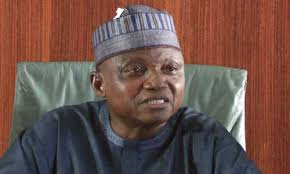










The Senior Special Assistant to President Muhammadu Buhari on Media and Publicity, Garba Shehu, has said Nigeria鈥檚 poor ranking on Transparency International鈥檚 corruption perception index is a reflection of Nigerians, not President Muhammadu Buhari.
In the 2020 index released last Thursday by Transparency International (TI), Nigeria dropped to 149 out of the 180 countries surveyed after scoring 25 out of 100 points.
The presidency had rejected the ranking, saying TI鈥檚 arm in Nigeria is made up of members of the opposition.
Lai Mohammed, Minister of Information and Culture, also said the report is not a true reflection of the country鈥檚 anti-graft war.
Speaking on Monday when he featured on Channels Television鈥檚 programme, Sunrise Daily, Shehu said the index is a reflection of corruption by Nigerians and not by the Buhari administration.
鈥淚鈥檒l tell you that this one by TI is not a judgement on Buhari or his administration or its war against corruption, I will tell you that this one is judgement on Nigerians because if you look at the indices they used at arriving at these conclusions, they used eight indices, six of which showed Nigeria as being more or less Nigeria in the same position.
鈥淭he two that they dwelled on, that caused this backslide, are essentially Nigerian problems. They鈥檙e talking about the political culture of this country, vote-buying, thuggery. Is it Buhari that is a thug? We鈥檙e not doing thuggery.
鈥淎nd when they talk about the justice sector, they are talking about perceived corruption in the judiciary. These perceptions are essentially not correct. Yes, there are issues in that sector but so many changes are going on in that sector.Wouldn鈥檛 it have been nice if they acknowledged it so that you encourage those judicial officers that are upright and then the system gets getting better,” Shehu said.
Although Shehu said the index drew conclusions from the behaviour of Nigerians, the TI report said: 鈥淭he CPI draws upon 13 data sources which capture the assessment of experts and business executives on a number of corrupt behaviours in the public sector including bribery, diversion of public funds, use of public office for private gain, nepotism in the civil service.鈥�
It added that some of the sources also looked at the mechanisms available to prevent corruption in a country, such as 鈥渢he government鈥檚 ability to enforce integrity mechanisms, the effective prosecution of corrupt officials, red tape and excessive bureaucratic burden, the existence of adequate laws on financial disclosure, conflict of interest.鈥�