






Akinwande Soji-Ojo
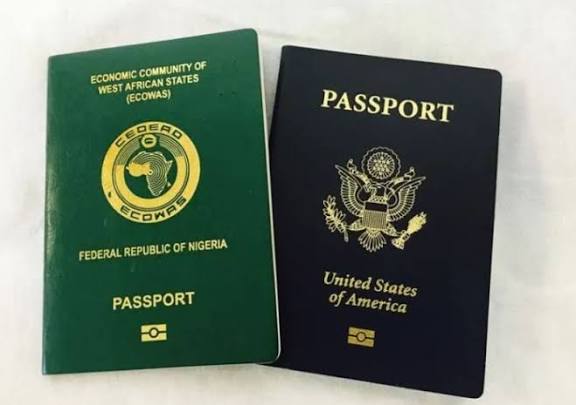
A United States senator, Bernie Moreno, has introduced a bill seeking to abolish dual citizenship for American nationals, a proposal that could impact thousands of Nigerians who currently hold both US and Nigerian passports.
Under existing US law, citizens may acquire or retain multiple nationalities without being required to renounce any. But Moreno鈥檚 proposal, titled the Exclusive Citizenship Act of 2025, argues that such flexibility creates 鈥渃onflicts of interest and divided loyalties.鈥�
Moreno, who was born in Colombia, said his own path to US citizenship shaped his stance.
鈥淥ne of the greatest honours of my life was when I became an American citizen at 18, the first opportunity I could do so.
鈥淚t was an honour to pledge an Oath of Allegiance to the United States of America and ONLY to the United States of America! Being an American citizen is an honour and a privilege, and if you want to be an American, it鈥檚 all or nothing. It鈥檚 time to end dual citizenship for good,” he said.
The senator has since renounced his Colombian citizenship.
If enacted, the law could affect high-profile figures, including US First Lady, Melania Trump, who holds both American and Slovenian citizenship. It would also affect many Nigerians who hold dual nationality.
According to a July US naturalisations flow by the Department of Homeland Security, 38,890 Nigerians became naturalised US citizens between 2021 and 2023. Nigeria ranked 13th globally for the highest number of new US citizens, and was the only African nation in the top 20.
Nigeria鈥檚 constitution allows dual citizenship for citizens by birth, meaning Nigerians can acquire or retain another nationality without losing their Nigerian citizenship.
The dual-citizenship debate in the US intensified this year after President Donald Trump signed an executive order aimed at ending automatic citizenship for children born in the US to undocumented immigrants.
However, the order was immediately challenged in court by 18 states and several rights groups, who argued that it violated the 14th Amendment鈥檚 birthright citizenship clause.
The policy has yet to take effect due to ongoing legal battles.