






Akinwande Soji-Ojo
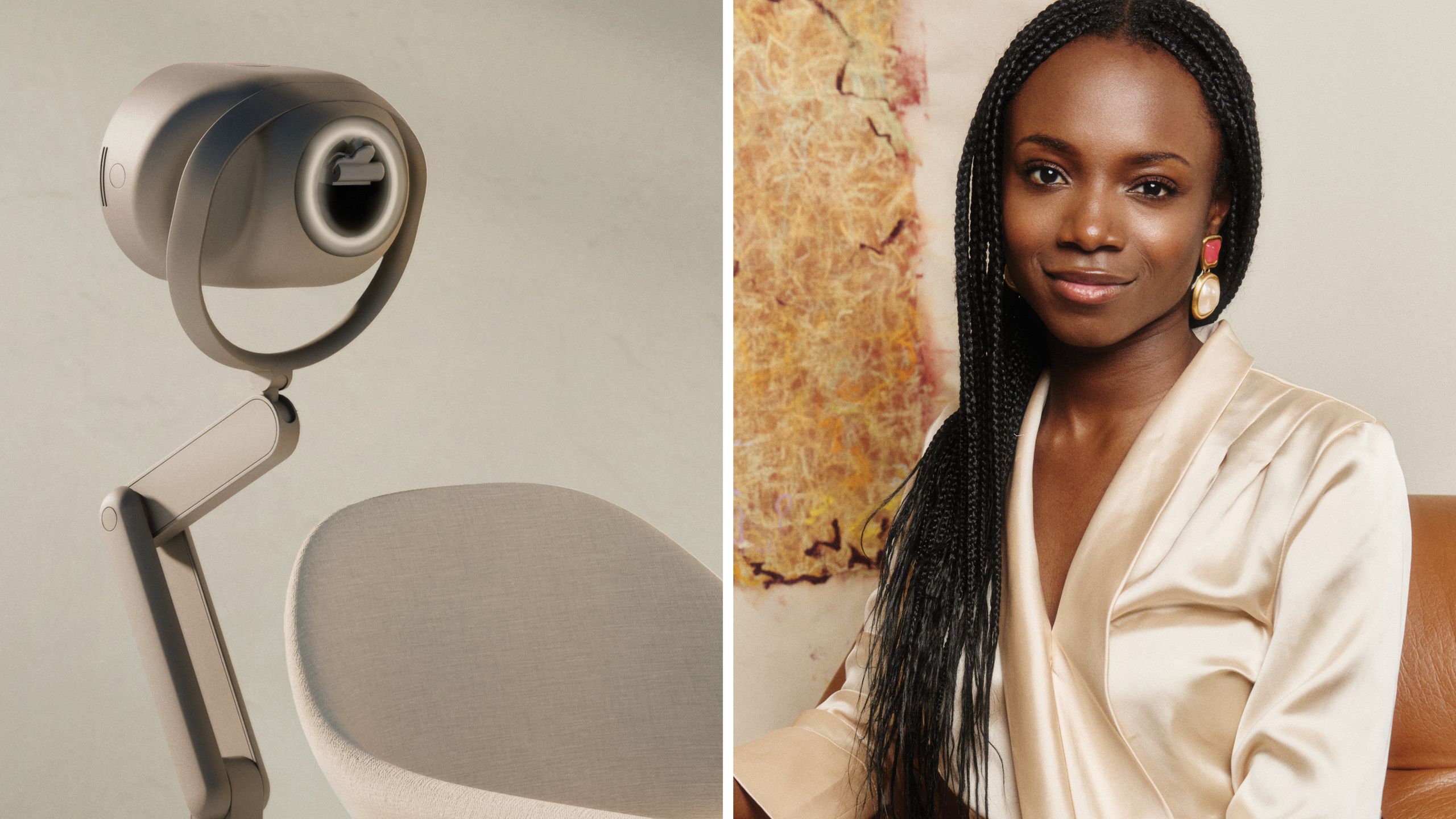
Nigerian-American engineer and Harvard graduate, Yinka Ogunbiyi, has explained that she developed HaloBraid, the world’s first patent-pending braid-assist robot, to tackle the long hours, physical strain and high costs associated with hair braiding.
Ogunbiyi said the innovation was inspired by the painful reality faced by millions of people who spend hours getting their hair braided, as well as the physical toll the profession takes on hairstylists.
According to the United States (US) Mission in Nigeria, HaloBraid has secured $7 million in seed funding and attracted more than 7,000 salons to its waiting list. The mission highlighted Ogunbiyi’s achievement in a post on X on Friday.
Her remarks were taken from a presentation she delivered at the Harvard Innovation Challenge in 2025, which resurfaced and began trending after the US Mission shared her story.
The funding round was led by Seven Seven Six, the venture capital firm founded by Reddit co-founder, Alexis Ohanian, with additional investments from AlleyCorp and Bling Capital.
Speaking about the inspiration behind the invention, Ogunbiyi said her lifelong experience with braids and the lack of innovation in the industry motivated her to find a solution.
“Imagine if every time you got your hair cut, it took six hours, cost $200 to $300 and gave your hairstylist arthritis at age 29.
“This is what it’s like to get your hair braided. And I know this firsthand because I’ve worn braids all my life,” she said.
She recalled that the first time she braided her own hair, the process took four days, an experience she later discovered was common among millions of people.
“Hair braiding is now the most popular hairstyle for 20 million Americans who experience this miserable process every eight weeks. And yet braiding hasn’t seen innovation since braiding was invented 5,000 years ago,” she added.
Ogunbiyi holds a joint Master of Science and Master of Business Administration from the Harvard John A. Paulson School of Engineering and Applied Sciences and Harvard Business School. Before founding HaloBraid, she worked on connected smart-home appliances and consumer electronics.
The idea for the company emerged during the COVID-19 pandemic after she spent four days installing her own protective knotless braids. The experience prompted her to explore how technology could simplify the process.
She later partnered with co-founder, David Afolabi, to develop an automated system designed to assist hairstylists rather than replace them.
“That’s why we’re building HaloBraid, the first patent-pending hair-braiding robot that saves time for stylists and their clients.
“Stylists start the braid, Halo finishes it, and we reduce braiding time from hours to minutes, making braiding joyful, not painful, and allowing a stylist to grow their business without destroying their hands,” she said.
The HaloBraid system allows stylists to part the hair, section it and create the initial anchor knot manually before attaching the device to complete the repetitive braiding process. The stylist then removes the unit to finish, trim and seal the braids.
Ogunbiyi said the machine uses machine-learning technology to produce professional-quality braids and has completed thousands of braids over the past year at five times the traditional speed.
“Our devices have done thousands of braids and completed full hairstyles like mine over the past year. We use machine learning to match professional quality while doing it five times faster,” she said.
Responding to concerns that automation could undermine the cultural significance of braiding, Ogunbiyi said HaloBraid only assists with repetitive movements that consume the most time and place the greatest strain on stylists.
According to industry data cited by the company, nearly 95 per cent of surveyed Black women said they would choose protective hairstyles more often if salon visits were less exhausting and time-consuming.
“We’re excited to realise our mission of saving billions of hours spent braiding hair each year and transforming an industry that hasn’t changed in thousands of years,” Ogunbiyi added.